
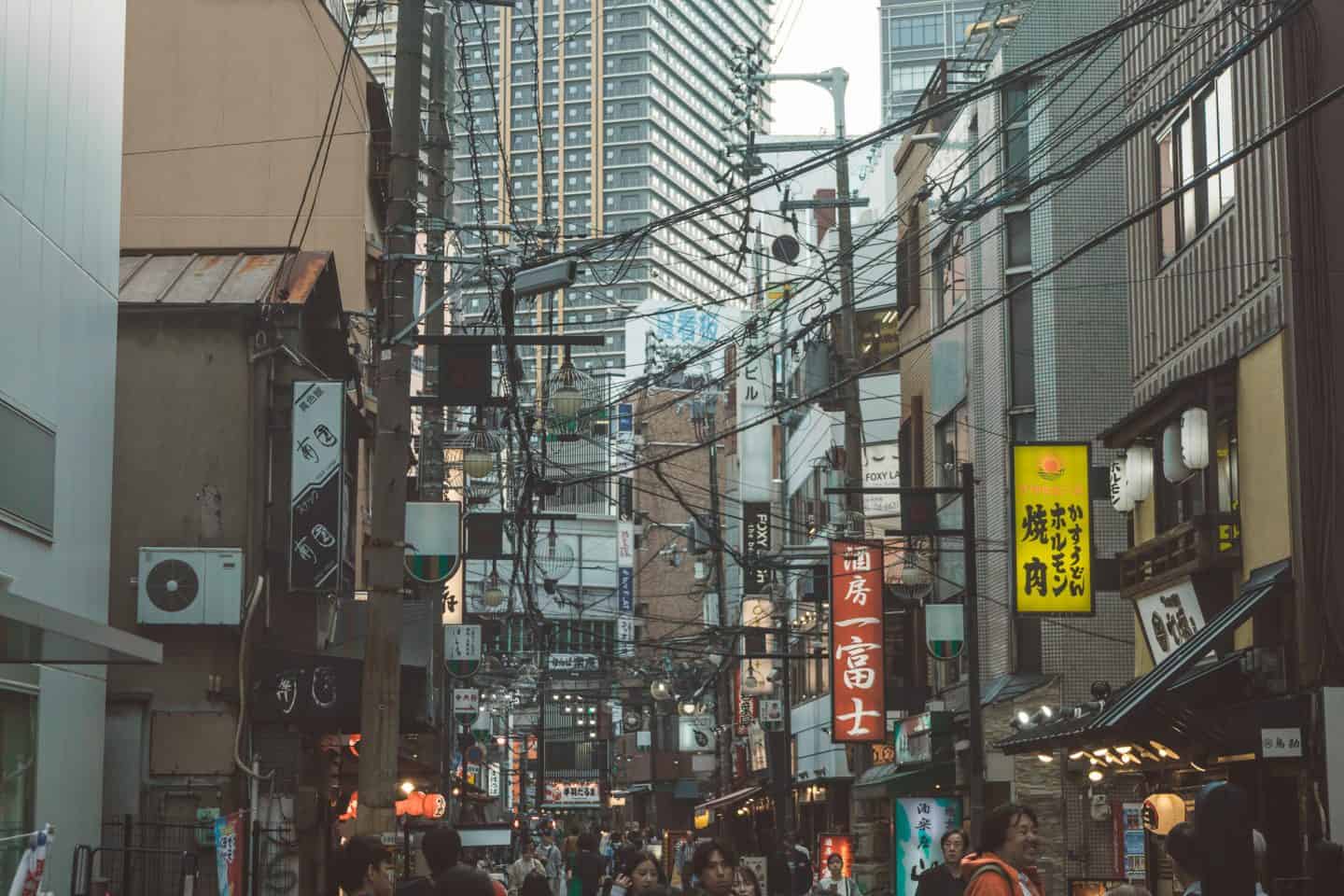
I’ll be honest with you… Osaka wasn’t the city I was most excited about on this trip. Especially having already traveled to Tokyo and Kyoto (both of which I loved). In Tokyo you have the food, lights, energy, and “scale”; and Kyoto had the temples and the geisha quarter. Osaka felt like the city you visit because it’s there, sandwiched between two places you actually came to see. I went in with low expectations and a loose plan, which, as it turns out, is exactly the right way to arrive in Osaka.
But it turns out that Osaka surprised me. It’s faster than Kyoto, slow than Tokyo, and more obsessed with food than any city I’ve ever been to (in the best way). By the end of day one I understood why people who’ve been to Japan multiple times keep putting Osaka at the top of their list. This is how I’d spend two days in Osaka.
How to Get to Osaka
If you’re coming from Tokyo, the shinkansen (or bullet train) to Shin-Osaka Station takes about 2 hours and 30 minutes on the Nozomi line – it’s fast, easy, and worth every yen. Tickets run roughly ¥14,000–¥15,000 ($90–$100 USD) each way without a rail pass, so run the numbers on your itinerary before committing to a JR Pass either way.
If you’re coming from Kyoto, it’s even easier! The shinkansen from Kyoto to Shin-Osaka takes about 15 minutes.
From Shin-Osaka Station, the metro will get you anywhere you need to go, or you can easily get a taxi from outside of the train station.
Get your train ticket to Osaka here!
Where to Stay in Osaka
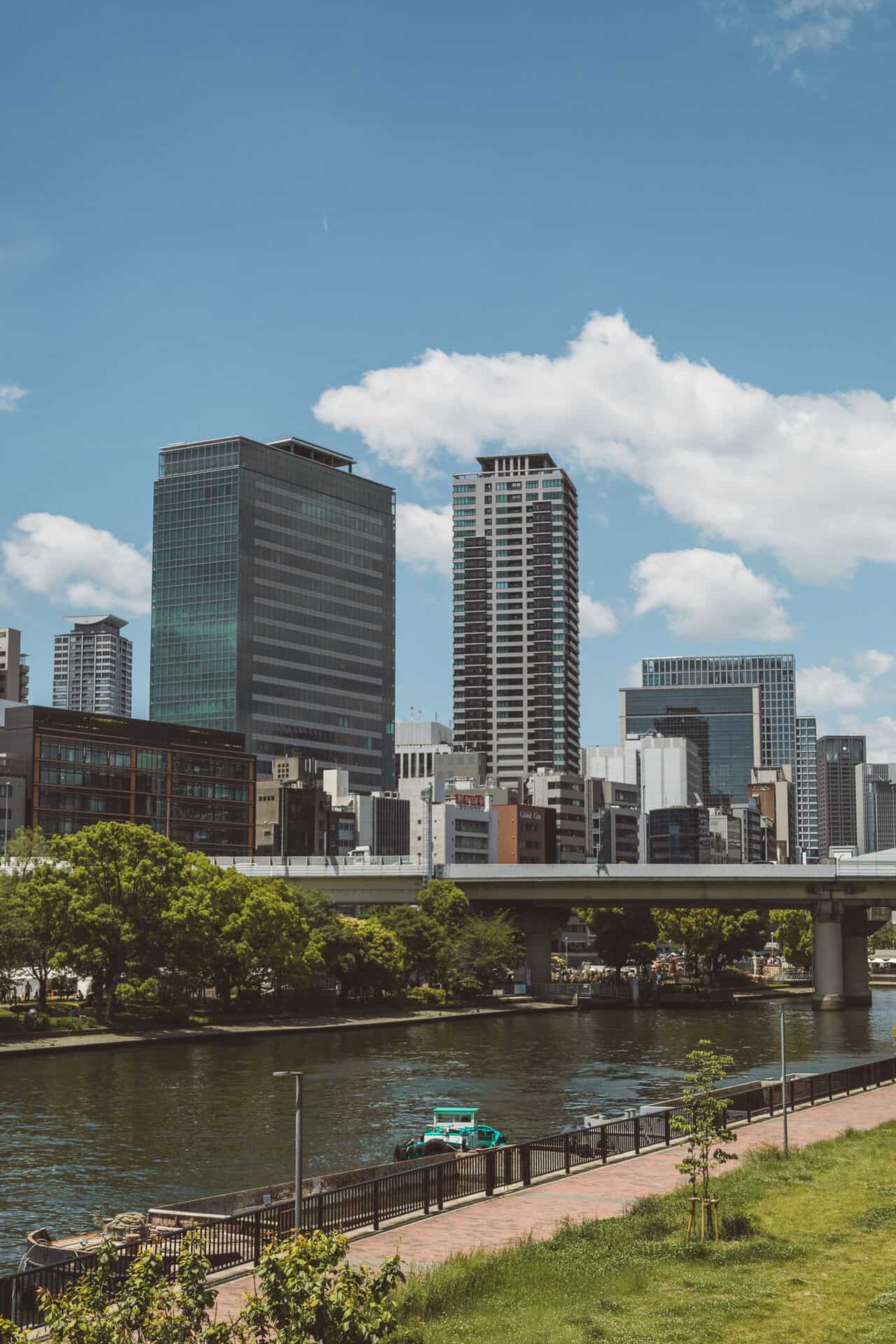
When it comes to where to base yourself in Osaka, the Namba and Shinsaibashi areas are your best bet, or a little further north where it’s a bit quieter. Both of these areas put you within walking distance (or an easy train ride) of Dotonbori, the castle, and most of what’s on this itinerary – and Osaka’s mid-range hotel scene offers genuinely good value compared to Tokyo and Kyoto.
We stayed at Zentis Osaka, and I’d highly recommend it. It’s stylish, well-located, and truthfully has some of the best cocktails I’ve ever had in my life (and I’ve had a LOT of cocktails). Other hotels I’d recommend include…
Book your stay in Osaka here!
Day 1 in Osaka
Morning – Osaka Castle
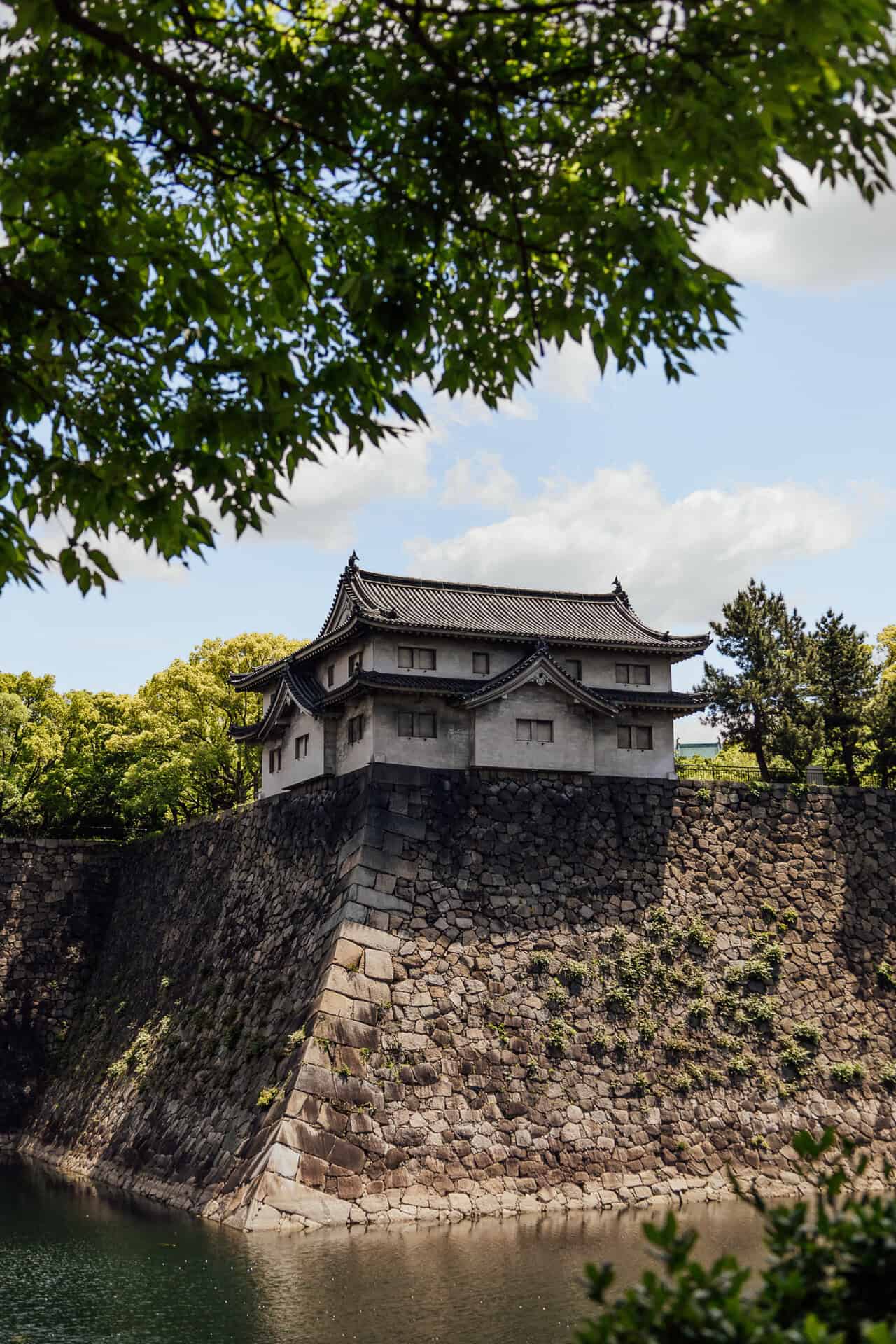
Start your morning at Osaka Castle, one of Japan’s most iconic landmarks and a genuinely beautiful place to spend an hour before things get crowded. We skipped the inside of the castle and just wandered the grounds instead, which felt like the right call. The castle exterior is stunning, the moat is peaceful in the morning light, but don’t expect too much.
Grounds access is free, which makes it an easy first stop. If you want to go inside the museum, tickets run ¥1,200 – but if you’re working with limited time, I’d skip going inside.
Afternoon – Karahori Shopping Street, Namba Yasaka Jinja, & Dotonbori
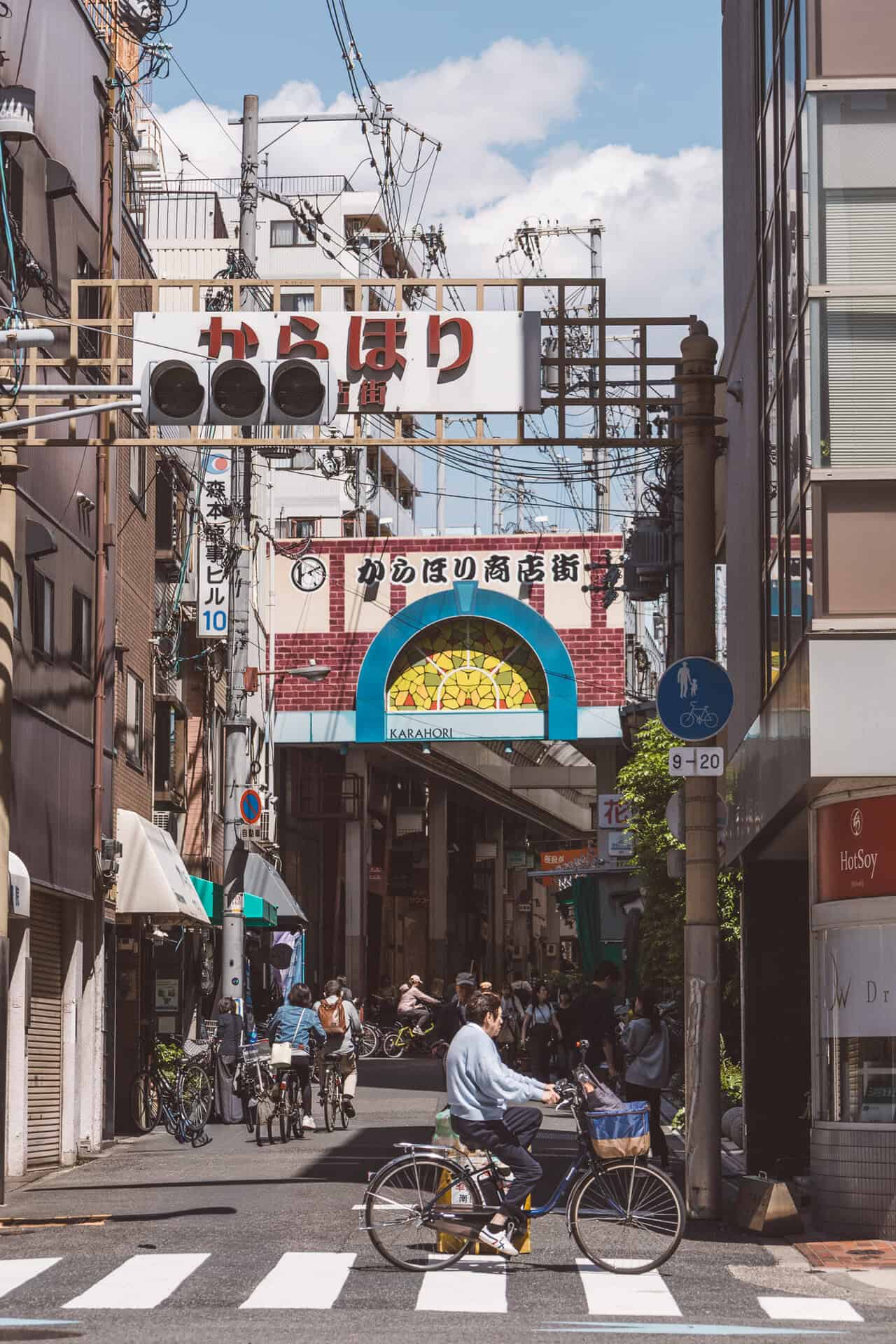
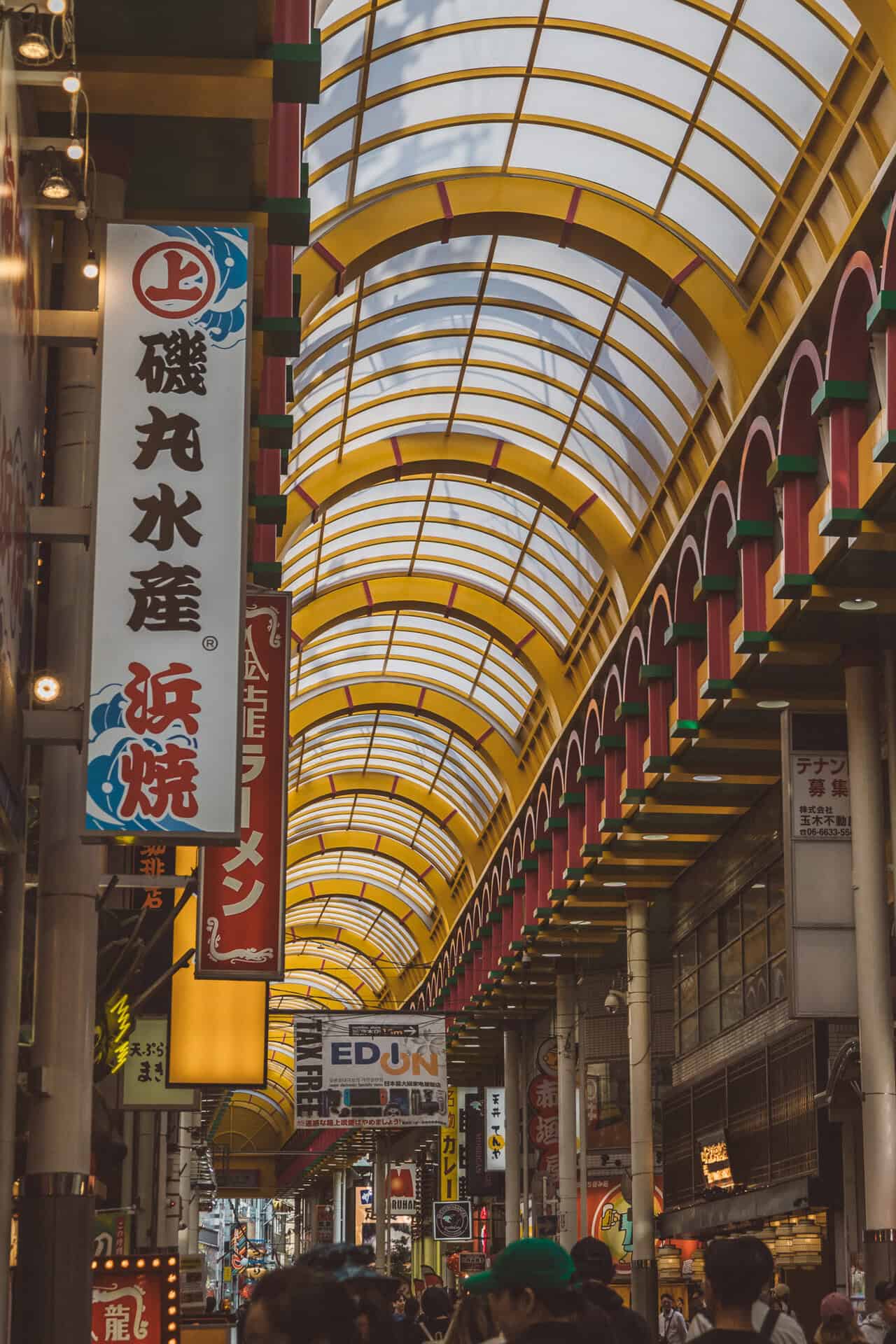
For lunch, make your way to Karahori Shopping Street (something that we stumbled upon completely by accident and it ended up being one of my favorite parts of the day). It’s a covered arcade running through a quiet residential area, full of vintage shops, small cafés, and locals going about their afternoon. We had lunch at Obimusu which specialized in onigiri, but there were tons of other great restaurants all with their own specialty.
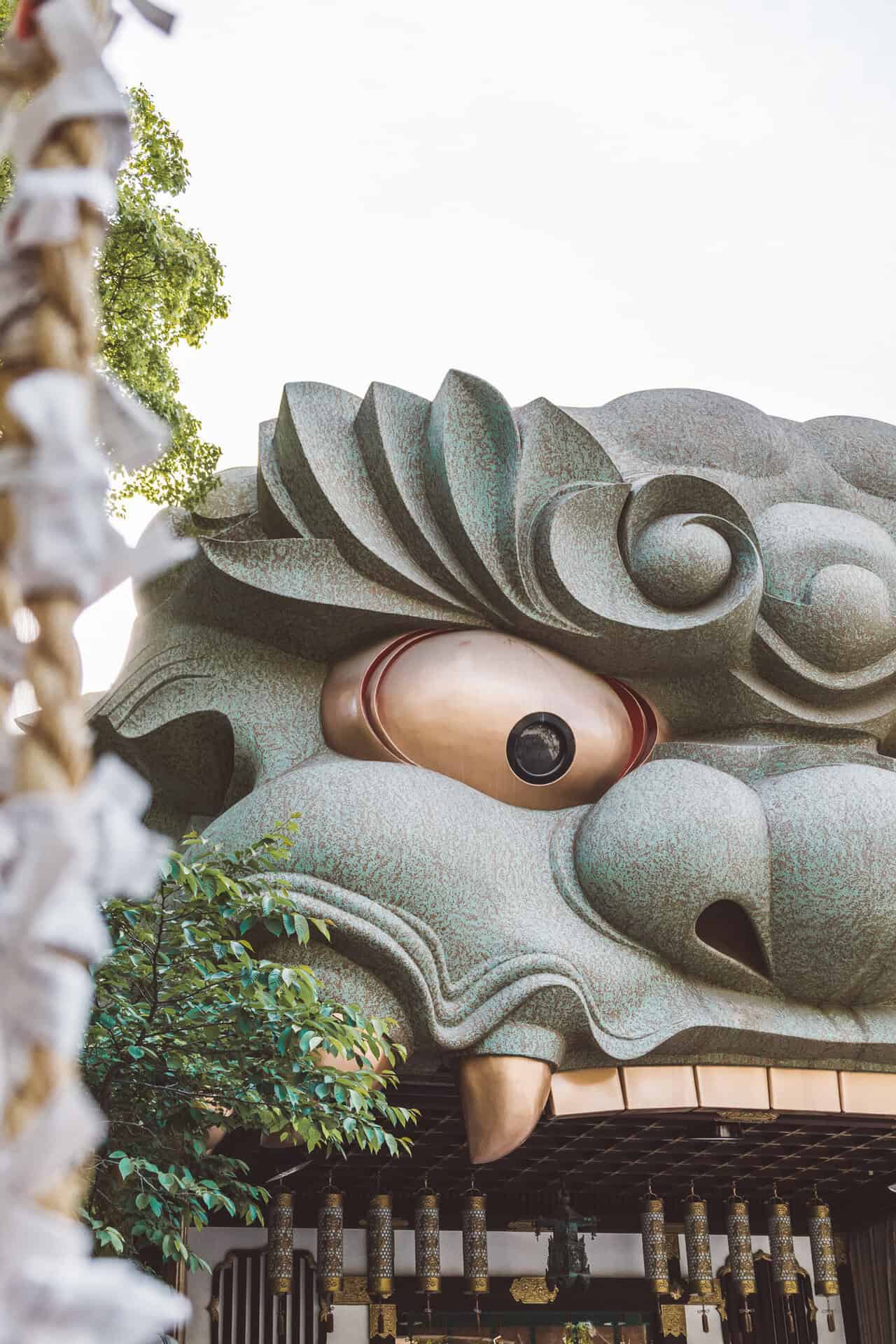
After lunch, head to Namba Yasaka Jinja – a Shinto shrine with one of the most striking entrances you’ll see anywhere in Japan. The main hall is built to look like an enormous lion’s head, wide open mouth and all. It’s unexpected and different which makes it a good stop.
After visiting the shrine, head to Dotonbori – Osaka’s most famous canal district and the place that shows up on every Japan travel photo you’ve ever seen. The neon signs and bridges packed with people eating and wandering feel similar to Tokyo. It’s a lot to take in, but it’s worth the visit.
Evening – Dinner & Cocktails
For cocktails before dinner, I highly recommend stopping at Bar Nayuta – an amazing cocktail bar with no menu and hidden away on the fifth floor of a building. It’s small, low-key, and fun (not to mention they make great cocktails).
For dinner I would recommend sushi at Sashisu or Sushi Takuma. Sashisu is cheap, low-key, and found in the train station but it was genuinely some of my favorite sushi I had in Japan. On the other hand, Sushi Takuma was a long, sit-down, fancy omakase experience. Both were incredible it just depends on what you’re looking for.
Day 2 – Day Trip to Hiroshima
Hiroshima is heavy – as it should be. Here, the Peace Memorial Museum walks you through the events of August 6, 1945 – when the United States dropped an atomic bomb on Hiroshima – in great detail; the human cost, the aftermath, the stories of individual people whose lives were erased in a single moment. It’s certainly not an easy afternoon, but I believe that as a traveler, educating yourself on the events around the world is an incredibly important thing to do. That’s why I would encourage anyone visiting Japan to make the trip to Hiroshima.
Getting to Hiroshima from Osaka
Hiroshima is an easy day trip from Osaka – the shinkansen from Shin-Osaka Station to Hiroshima takes about 2.5 hours, and tickets run roughly ¥10,000 ($65 USD) each way. I’d recommend leaving early, around 8am if you can manage it, to give yourself a full day and avoid the afternoon crowds.
We showed up to the Shin-Osaka station in the morning to purchase tickets – you are not required to purchase tickets in advance but if you want to, I recommend using Omio.
Book your train tickets to Hiroshima here!
Peace Memorial Park & Museum
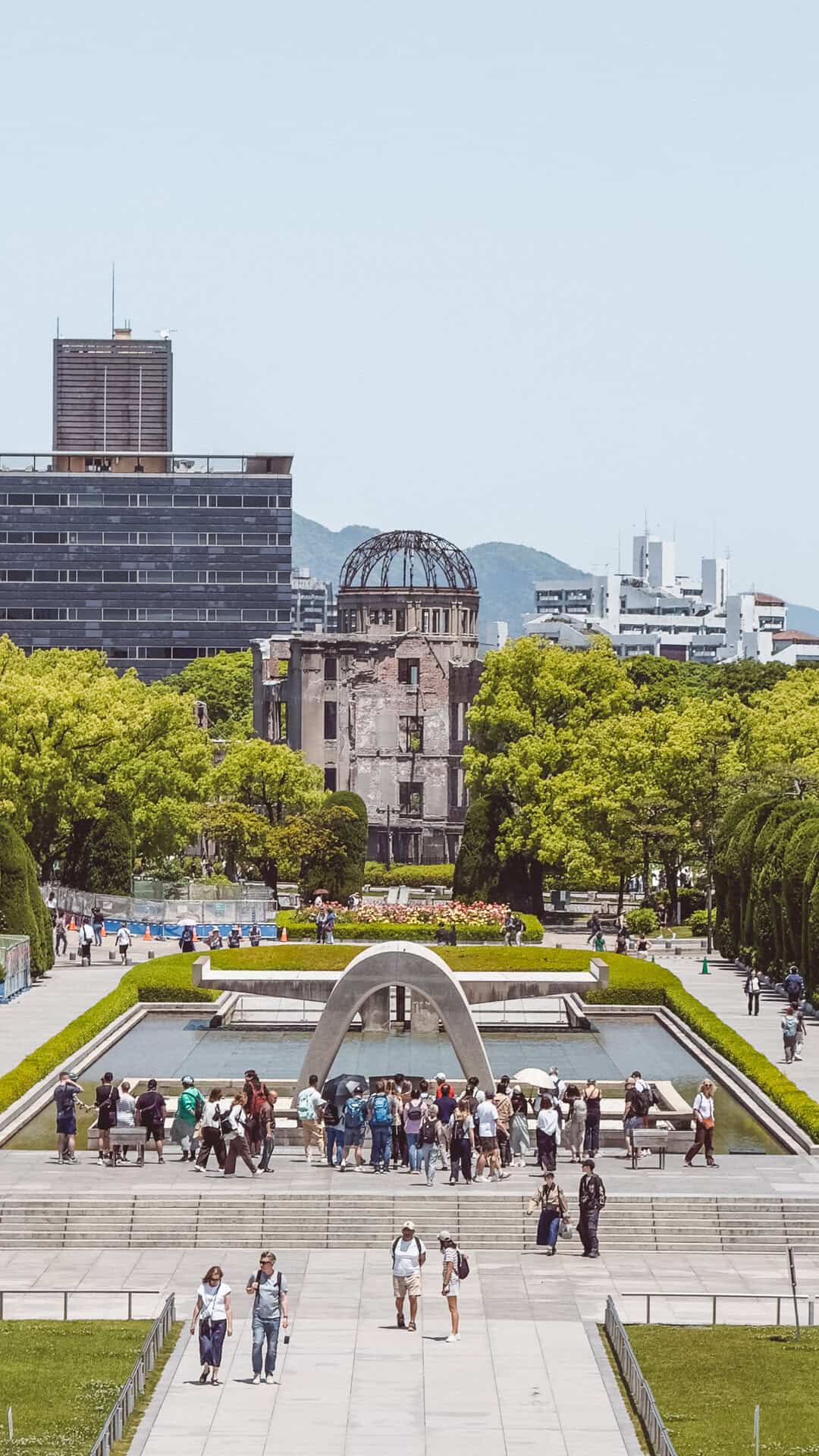
When you arrive to Hiroshima, you’ll want to head straight to the Peace Memorial Park & Museum. Entrance costs ¥200 (about $1.50 USD), which might be the most meaningful $1.50 you spend in Japan. Allow at least 2-3 hours for the museum alone and more if you want time in the park afterward, which I’d recommend. In the park you can see the A-Bomb Dome – what remains of the building that stood directly beneath the explosion on August 6, 1945. It has been preserved exactly as it was found and stand there still, in the middle of a city that rebuilt itself entirely around it.
The museum was, for me, a stark reminder that nuclear weapons still exist. That the technology that leveled this city in seconds is still sitting in hidden places around the world. I haven’t stopped thinking about it.
If you want a guided experience, I’d recommend hiring a private, licensed guide to walk you through the history of the city.
Book a tour guide for Hiroshima here!
Practical Tips for 2 Days in Osaka
Getting Around Osaka
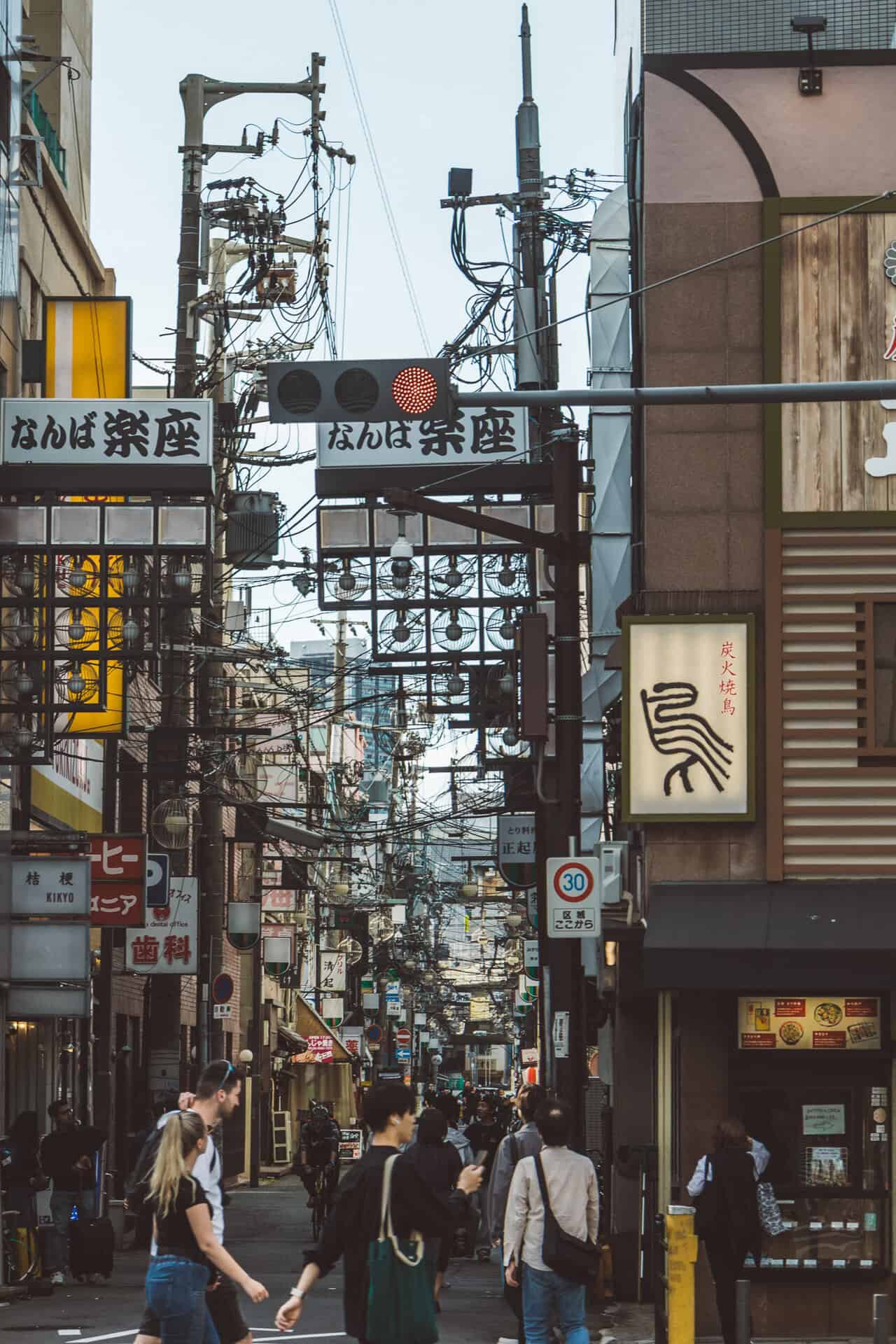
Osaka has one of the best metro systems in Japan, it’s clean, reliable, and easy to navigate even if it’s your first time. The city is also easily walkable or you can easily grab a taxi or Uber for longer journeys.
For the Hiroshima day trip, you’ll need to get yourself to Shin-Osaka Station, which is a straight shot on the metro from most central neighborhoods.
Cash vs Card
The truth is, for such a futuristic city… Japan runs on cash. Most smaller restaurants, bars, and market stalls are cash only, so pull out enough yen at the start of each day to cover yourself. 7-Eleven ATMs are your most reliable option for international cards.
Osaka vs Kyoto – What to Expect
If you’re coming straight from Kyoto, Osaka will feel like a completely different country. Kyoto is quiet and spiritual. Osaka is loud, fast, and the ultimate “foodie” city. There’s a saying in Japan – “Kyoto people are refined to the point of being cold; Osaka people will talk to anyone.” In my experience, that’s pretty accurate. Lean into it, say yes to the thing on the menu you don’t recognize, and let yourself get a little lost.
Visiting Kyoto? Don’t miss…
Best Time to Visit Osaka
Osaka is a year-round destination, but spring (late March to early April) and fall (October to November) are the sweet spots – comfortable temperatures and a little more energy in the city than the humid summer months. We visited in early May and found it warm, manageable, and a little less crowded than peak cherry blossom season.
Is Osaka Safe for Solo Travelers?
Yes. Osaka is one of the safest cities in the world and solo travel here is straightforward and comfortable. The locals are famously friendly, English signage is widely available, and the metro is easy to navigate alone. Women traveling solo will find Osaka welcoming and easy to move around in at any hour.
Travel Insurance
Don’t skip it, especially if you’re adding a Hiroshima day trip into the mix. Medical care in Japan is excellent but expensive without coverage. I personally use SafetyWing – it’s reliable, affordable, and works well for trips like this one.
Get travel insurance for Osaka (and Japan!) here.
Japan Essentials – What You Need & Need to Know About Visiting Japan
TRAVELING THROUGH JAPAN
- To book a flight to Japan, I recommend this booking platform or Skyscanner to compare options (if you’re from the US, sign up for Going to receive free cheap flight alerts)
- For train tickets in Japan, I recommend using Omio
- If you want a private, English-speaking driver waiting for you at the airport in Japan, book one with Welcome Pickups
- If you plan to rent a car in Japan, you do need an international drivers license
- I highly recommend travel insurance when traveling through Japan – I use and recommend SafetyWing(read why here and here)
- If you need a SIM card, aloSIM for an easy and affordable e-SIM – use code “KYLEE5” for 5% off
ACCOMODATION IN JAPAN
- To easiest way to book hotels in Japan is through this booking platform
TOURS IN JAPAN
- For tours and activities in Japan, I recommend using Get Your Guide or Viator
Osaka was surprising to me. I suggest to go in with low expectations and see where the days take you. If you have any questions about visiting Osaka (or Japan in general), let me know in a comment below!
Pin Me!
Disclosure: This post may contain affiliate links, meaning I get a commission if you decide to purchase through my link, at no cost to you. Passports and Preemies is also a participant in the Amazon Services LLC Associates Program, an affiliate advertising program designed to provide a means for sites to earn advertising fees.

Founded by Kylee, a NICU nurse with nine years of experience, including seven years as a travel nurse; Passports and Preemies was created in 2017 and is now the go-to travel and lifestyle channel for nurses who crave adventure beyond the bedside. Whether you’re a staff nurse looking for your next getaway or a travel nurse navigating life on the road, this space is designed to help you maximize your time off, explore the world, and prevent nurse burnout.
On Passports and Preemies, you’ll find everything from travel nursing insights – how to get started, land the best assignments, and thrive on the road – to expert travel tips, destination guides, and real-talk about balancing nursing with a life well-traveled. Passports and Preemies also includes Beyond the Bedside – group trips for nurses around the world; as well as the podcast, Passports and Preemies Talks.

