
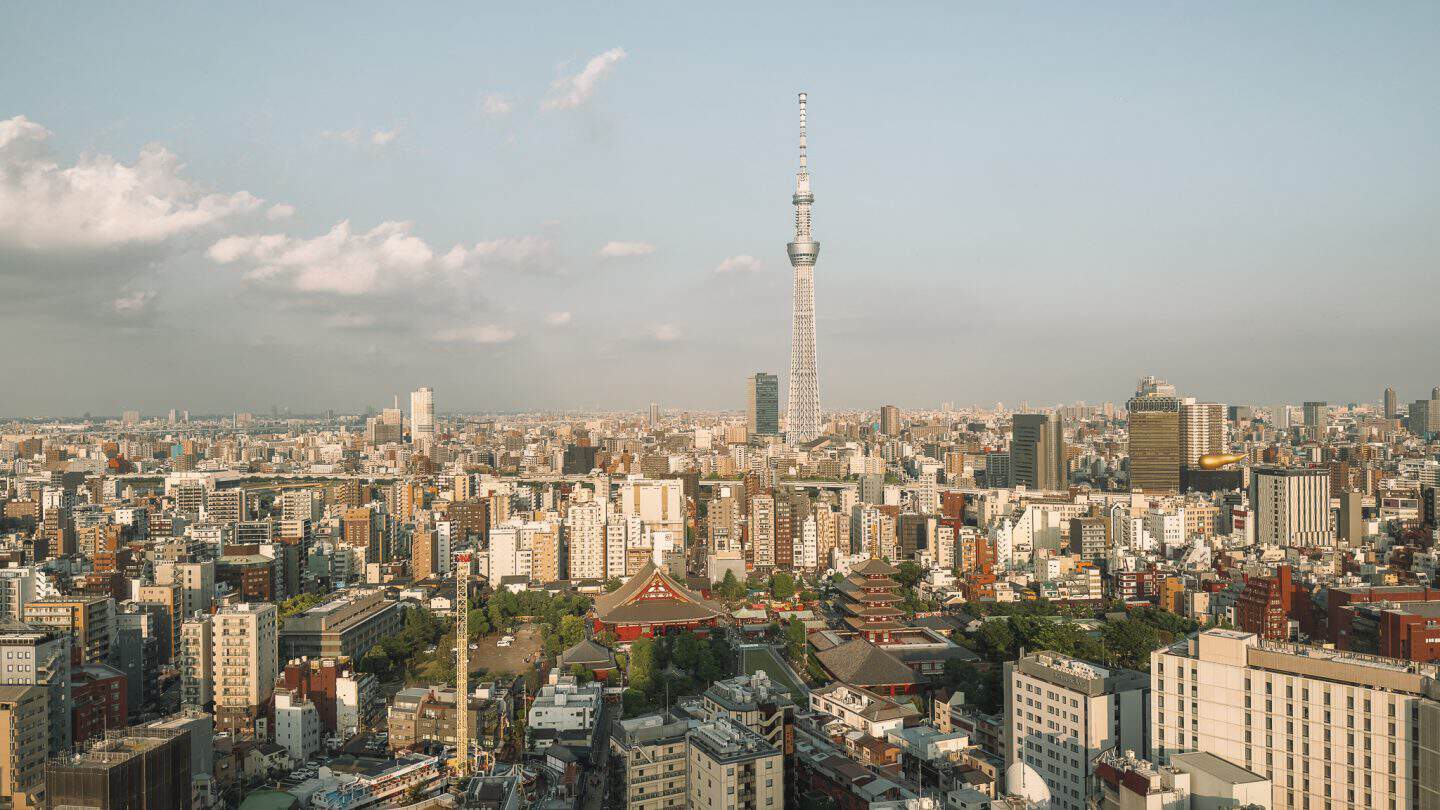
Tokyo is chaotic, in the best way. It’s also a city where you need a plan. Without one, you’ll burn a full day just figuring out which train exit to take. But the strange thing about Tokyo is that if you overplan, you miss the parts of the city that actually make it special – the hidden alleyways, the tiny coffee shop with no sign, the delicious sushi restaurant you found because you took a wrong turn.
So this itinerary gives you a rough idea of where to spend each day, while also allowing you enough time to simply wander around. Here’s how to spend 3 days in Tokyo.
How to Get to Tokyo
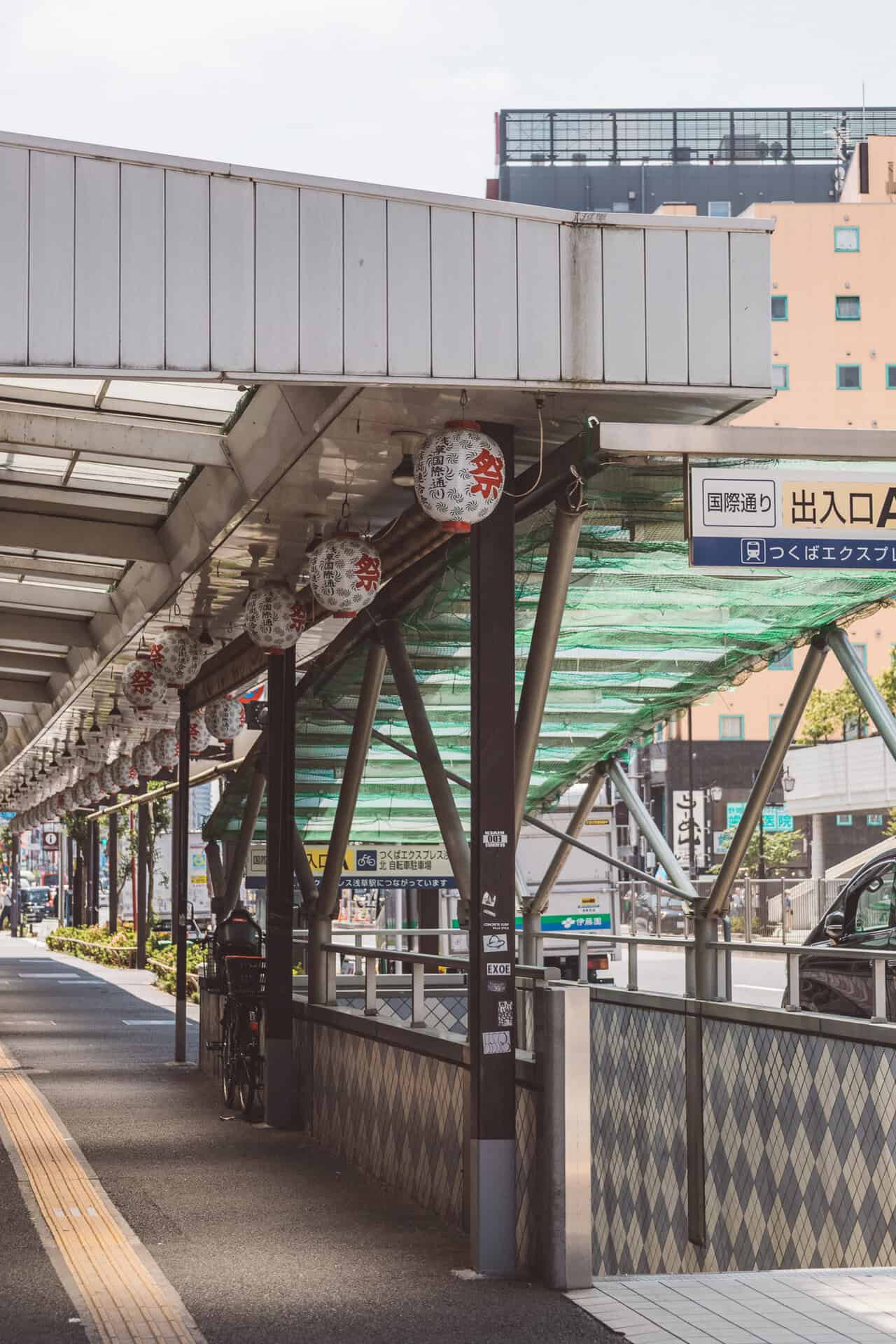
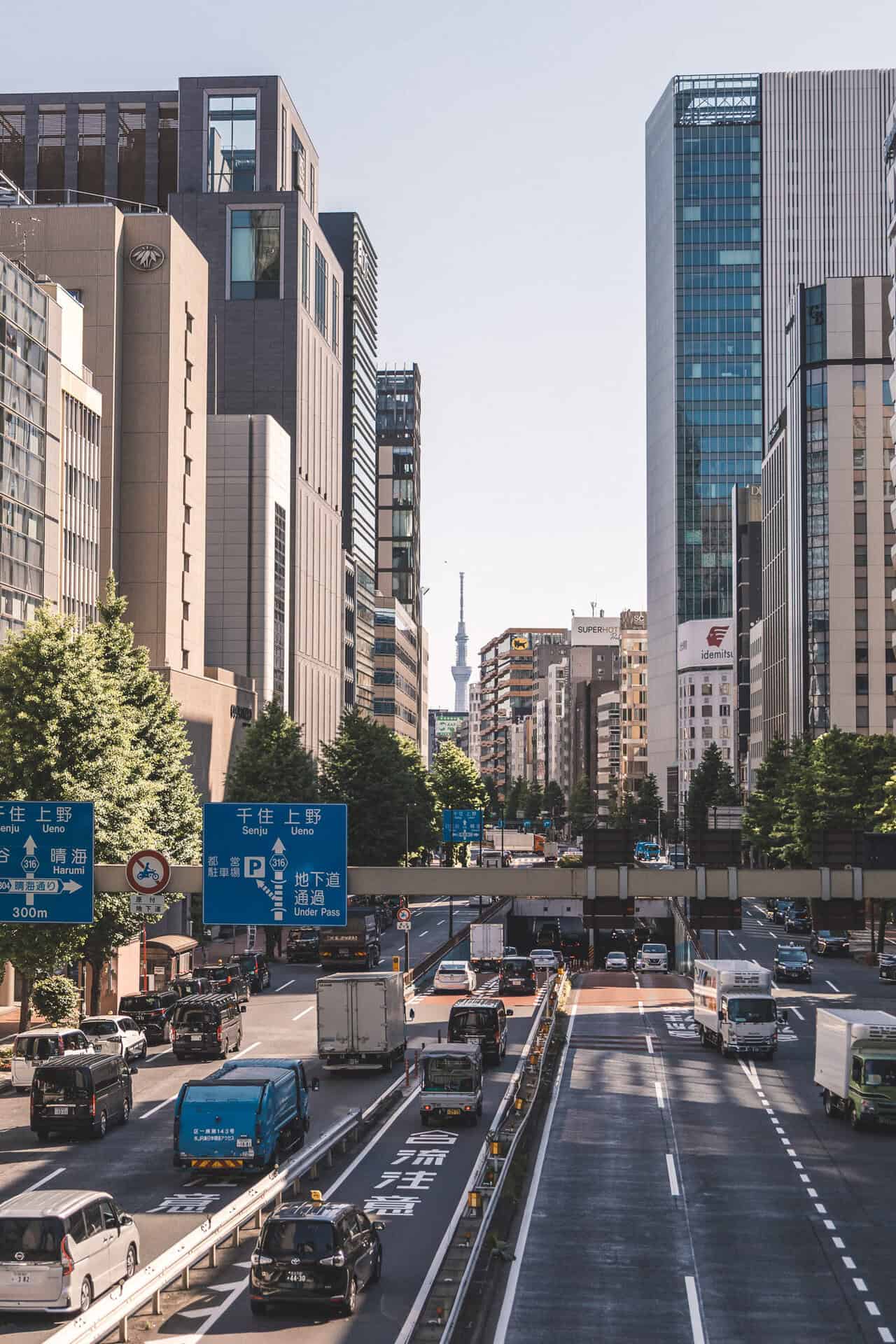
Most international flights land at either Narita or Haneda Airport. Haneda is closer to the city center – about 30-40 minutes by train or taxi to most central neighborhoods – while Narita is roughly an hour out. Both airports have reliable train and available taxis, so don’t stress over which one you land at.
If Tokyo is part of a larger Japan itinerary, alongside Kyoto and Osaka… Tokyo makes the most sense as your first and last stop, since it’s the primary international gateway. That’s exactly how we structured our trip, and it worked well.
Where to Stay in Tokyo
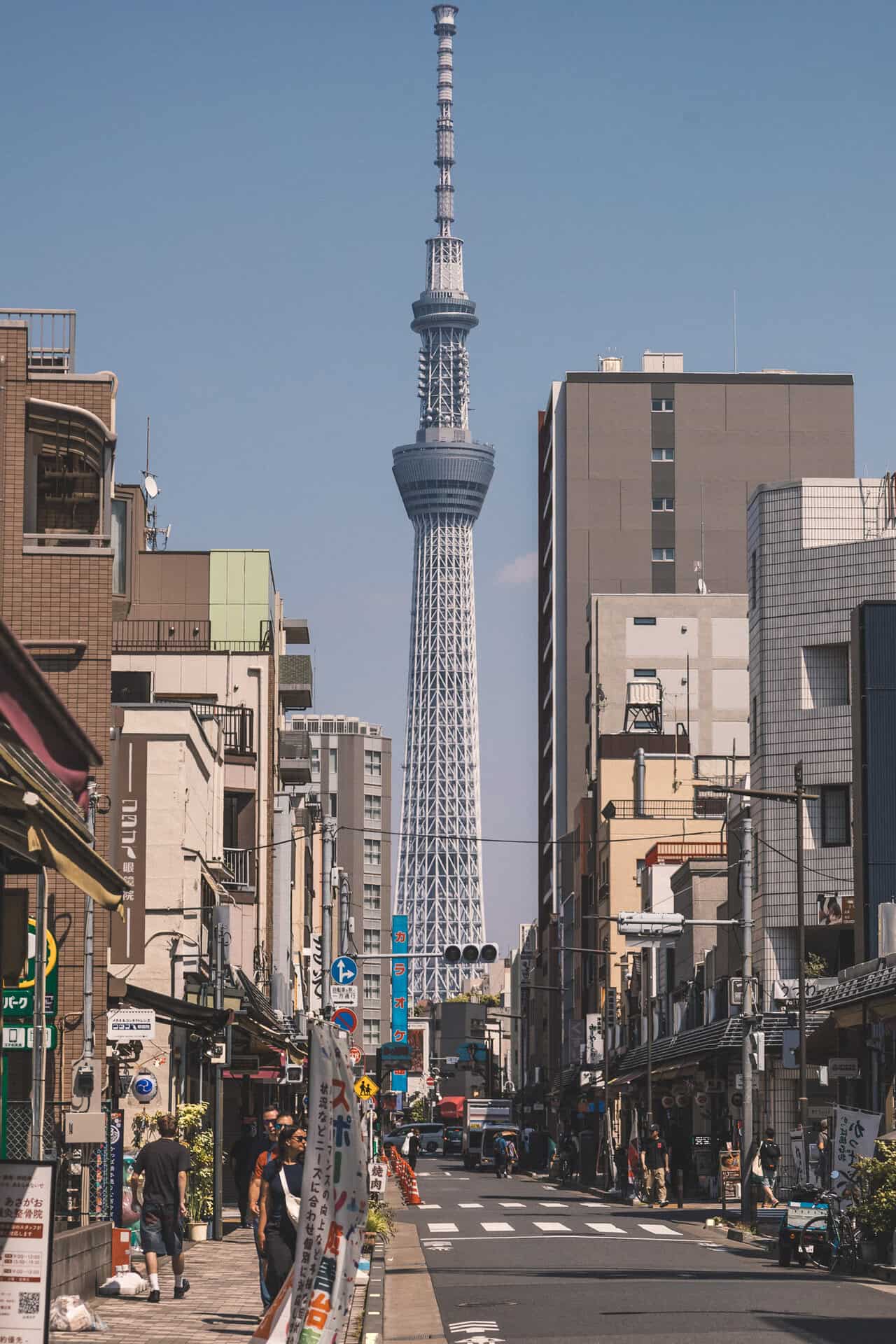
Tokyo is huge, so where you decide to base yourself will affect your trip. We stayed in two different neighborhoods – Ginza and Asakusa – and I’d recommend either.
A few other neighborhoods worth considering, depending on what you’re looking for…
- Shinjuku – great for nightlife access and train connections, a little louder and more chaotic
- Shibuya – central, youthful
- Asakusa – quieter, more traditional, ideal if temples and old Tokyo are your priority
- Ginza – upscale, polished, close to Tsukiji and the Imperial Palace
Hotel Recommendations in Tokyo
- ANA InterContinental Tokyo
- Hyatt Regency Tokyo
- The Royal Park Canvas Ginza Corridor
- The Square Hotel Ginza
Book your stay in Tokyo here!
Day 1: Ginza & Tsukiji
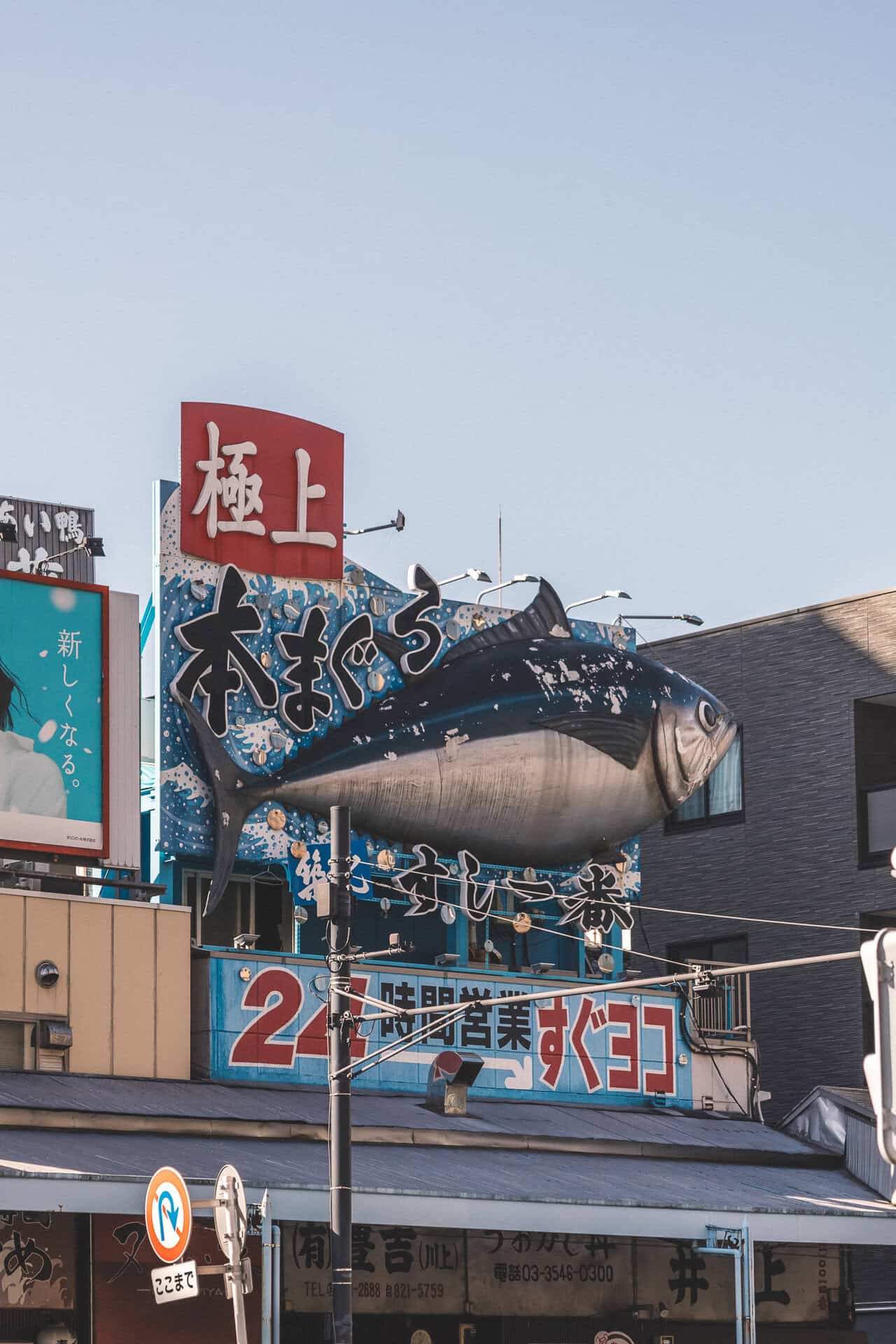
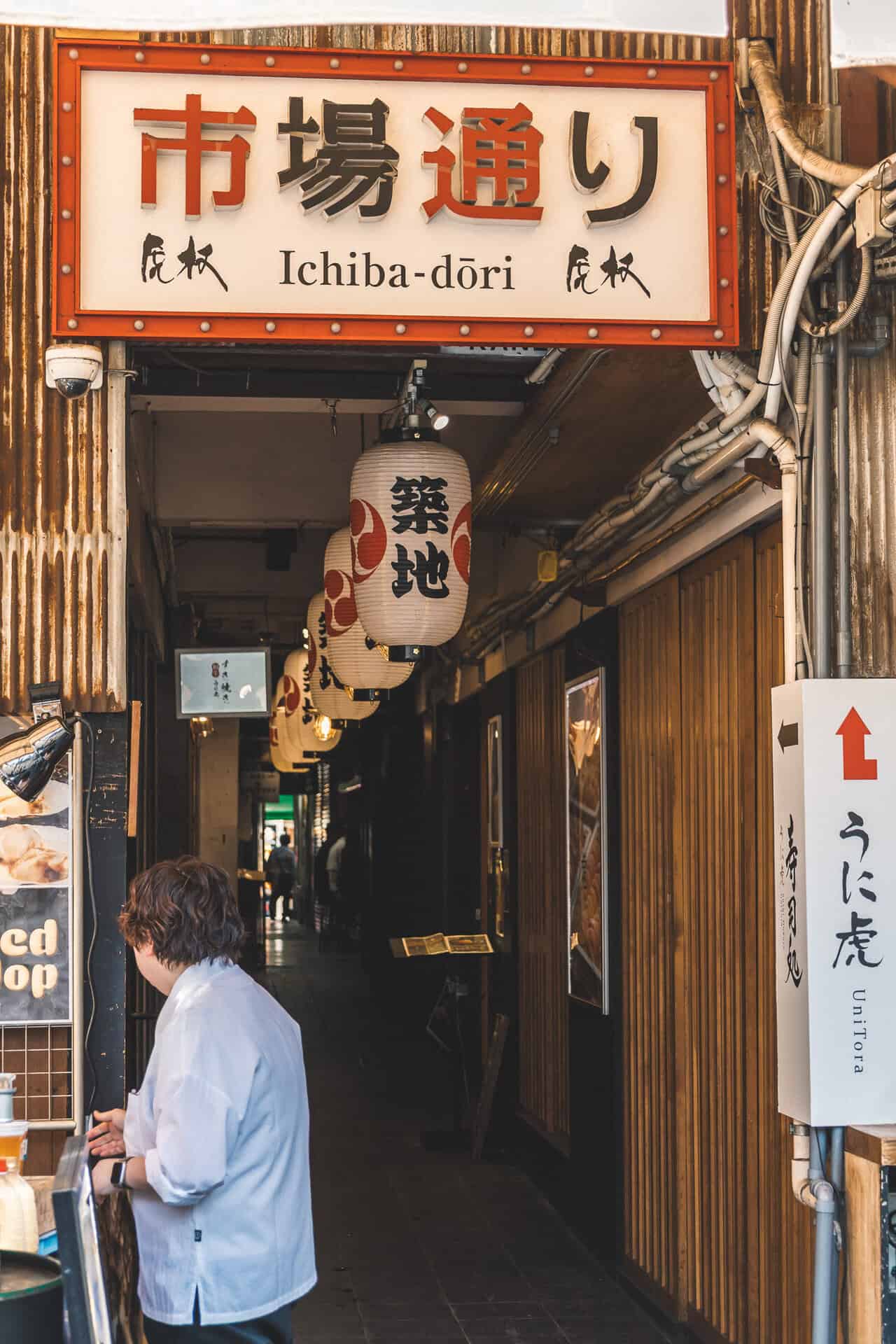
Morning – Glitch Coffee & Tsukiji Outer Market
Start your morning at Glitch Coffee in Ginza – a small, specialty coffee shop that’s definitely worth the stop before a long day of walking.
From there, head to Tsukiji Outer Market. An incredible fish market with hundreds of food stalls, sushi counters, and knife shops packed into a few blocks. Go hungry and go early (crowds start to arrive around 9:00am); you’ll find stalls open as early as 7:00am.
If you want a guided experience that helps you navigate the alleys and try different types of food, I’d recommend this Tsukiji food tour.
Afternoon – Imperial Palace
After lunch, walk through the Imperial Palace East Gardens – open to the public and a peaceful break from the market chaos. If you plan to visit the Imperial Palace, you will need to purchase tickets in advance. But if you don’t want to go inside, the garden and moat are worth the walk.
Don’t miss this Imperial Palace Historical Walking Tour
Evening – Sushi Rinda
For your first dinner out in Tokyo, I highly recommend booking a table at Sushi Rinda for dinner. This was one of the best meals of our entire trip (we were the only tourists at the 10 table counter). You will need to book in advance.
Day 2: Shinjuku & Nightlife
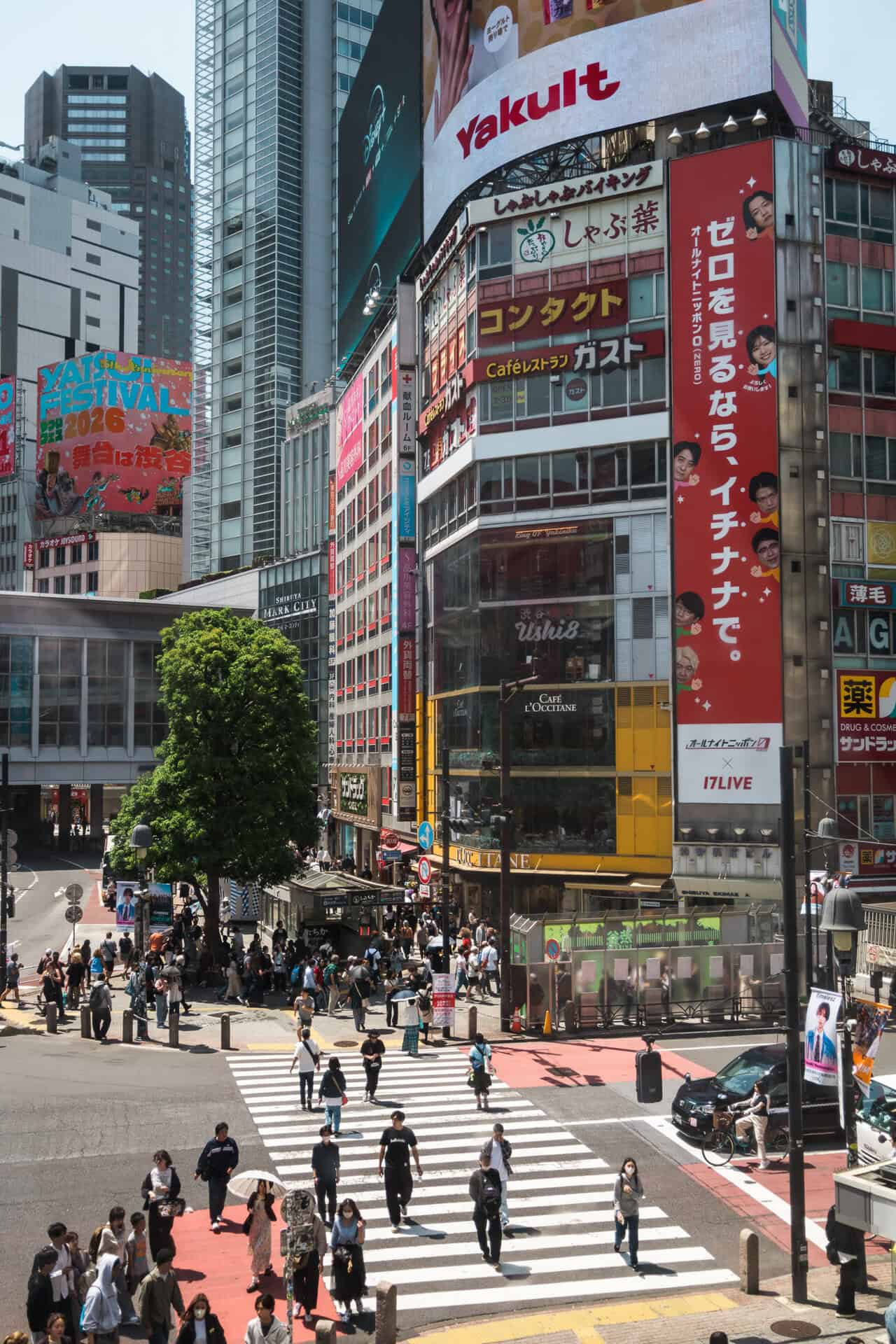
Afternoon – Shibuya & Shinjuku
Spend your afternoon wandering between Shibuya and Shinjuku – two of Tokyo’s busiest, most overwhelming neighborhoods (in the best way). Shibuya Crossing is famous for a reason, but if I’m honest, once you’ve seen it for ninety seconds you’ve seen it; glance at it on your way through and don’t build your afternoon around it. From there, make your way toward Shinjuku. Both neighborhoods are best experienced on foot, so leave room to get a little lost between them.
Evening – Omiode Yokocho & Golden Gai
For dinner, head to Omoide Yokocho – also called Memory Lane – a narrow alley near Shinjuku Station lined with tiny yakitori stalls and standing bars. It’s smoky, loud, and unique. You can walk around and get small plates from different restaurants – it’s really fun and unique!
From there, it’s a short walk to Golden Gai, Shinjuku’s famous cluster of over 200 tiny bars packed into a few narrow alleys. Hoshikuzu was a favorite of ours, and Bar Albatross – known for its eclectic decor and welcoming, slightly chaotic energy – is right around the corner. Both are worth a stop if you’re bar-hopping through the night.
Day 3: Asakusa & Yanaka
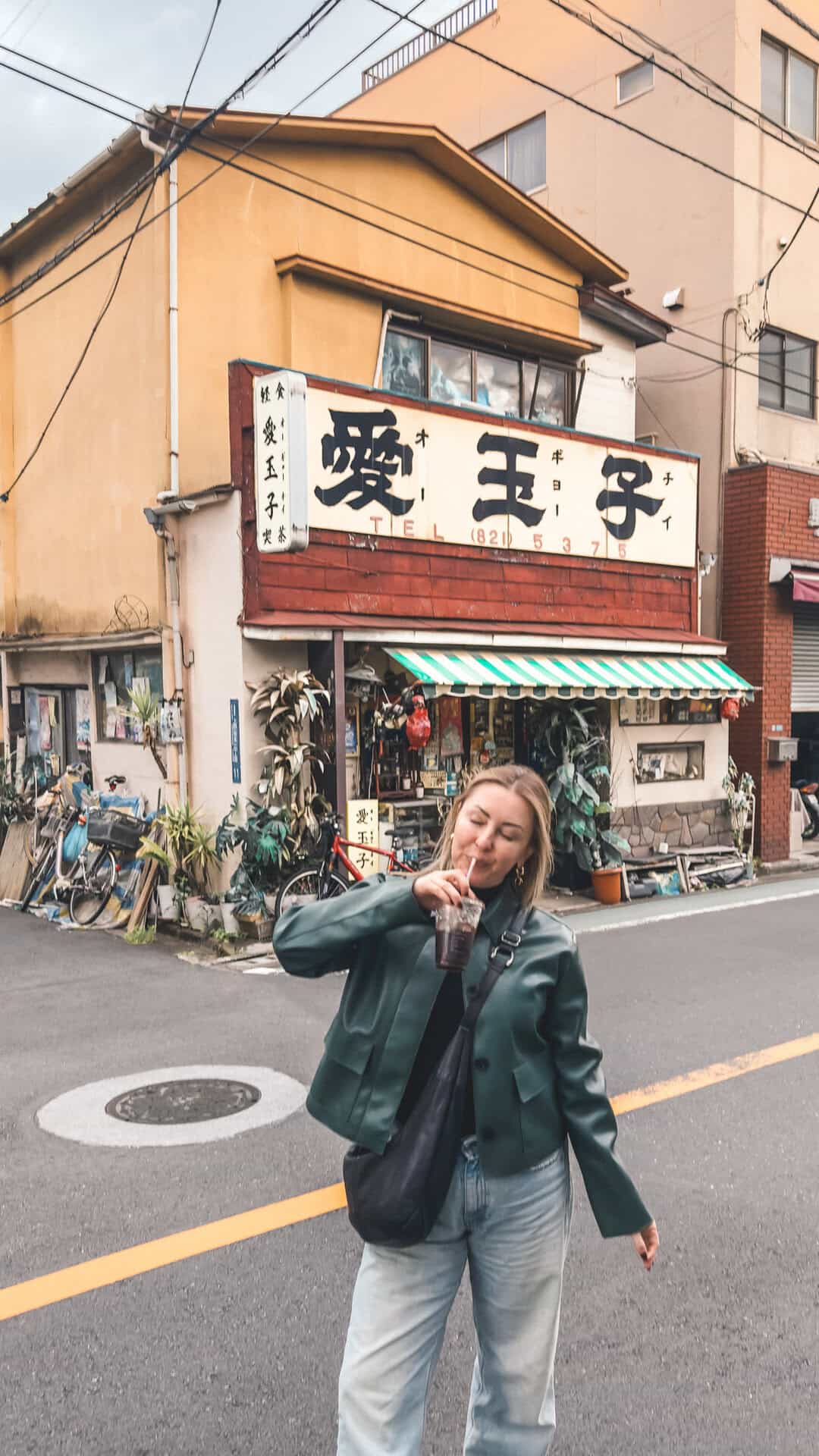
Morning – Senso-ji & Nakamise Shopping Street
Start at Senso-ji, Tokyo’s oldest temple and one of the most iconic sights in the city. Walk up through Nakamise Shopping Street on your way in – a long pedestrian street lined with traditional snacks and souvenir shops leading right up to the temple gate. Go early if you can; it gets crowded fast.
Afternoon – Yanaka
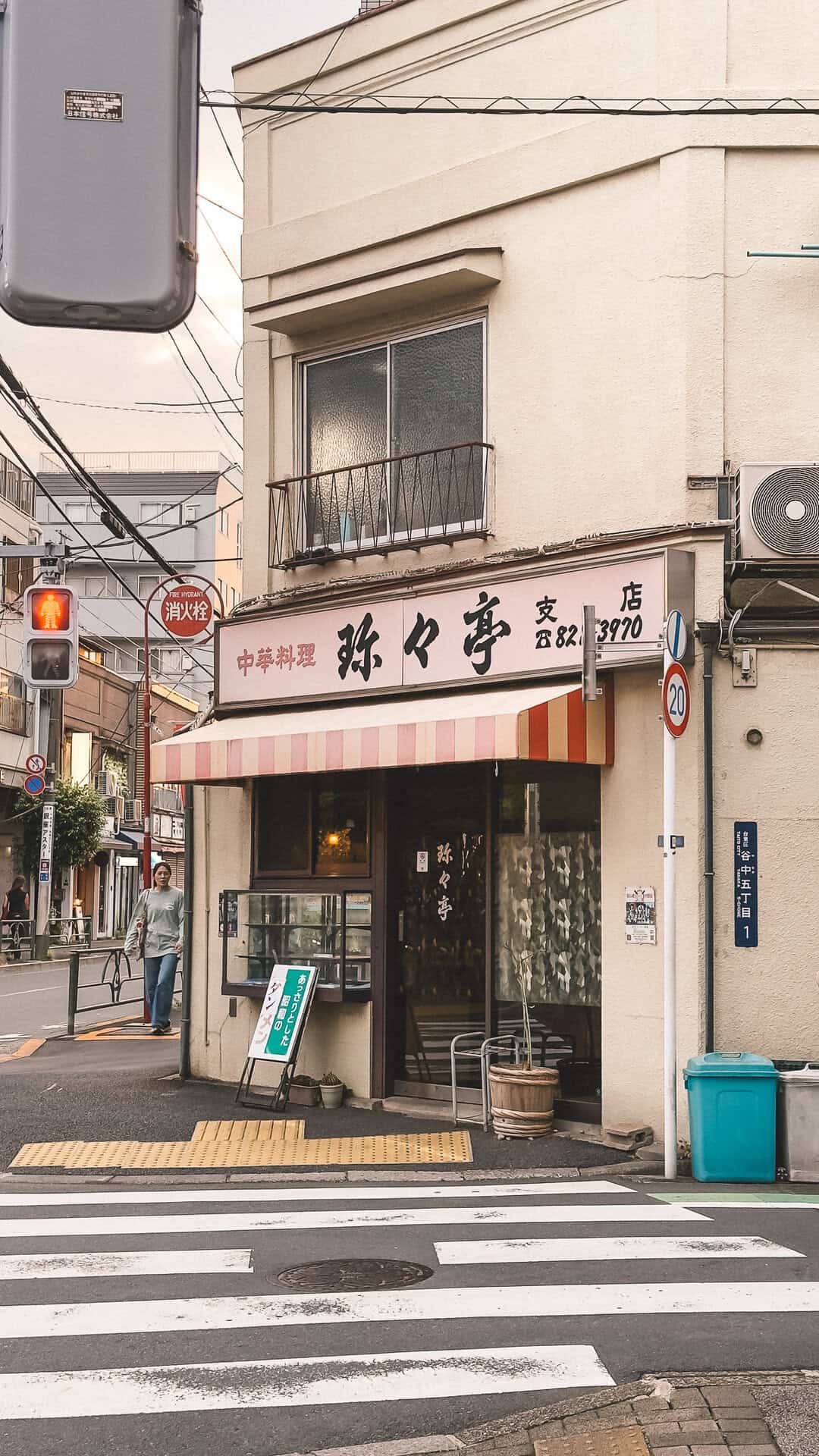
Yanaka was my favorite neighborhood in Tokyo. In fact, it’s one of the few neighborhoods that survived the bombings of World War II largely intact, which means you’re walking through genuinely old Tokyo. You’ll notice narrow lanes, traditional wooden houses, a slow pace.
Wander down Yanaka Ginza, the neighborhood’s old shopping street, for snacks and a feel for daily life away from the tourist track. For lunch or an early dinner, Kiri Yanaka serves some of the best unagi (grilled eel) you’ll find in Tokyo – a quiet, unfussy spot that fits the neighborhood’s personality. I also recommend stopping at Hoshikuzu, a small, local bar playing vinyl tracks.
Practical Tips for 3 Days in Tokyo
Getting Around Tokyo
Tokyo’s train and metro system is extensive and can feel overwhelming at first, but it’s reliable once you get the hang of it. Get a Suica or Pasmo IC card as soon as you land – it works across nearly every train line, bus, and convenience store in the city, and saves you from figuring out individual ticket machines every time.
Cash vs Card
Tokyo is more card-friendly than Kyoto or Osaka, especially in chain restaurants and convenience stores, but smaller spots – particularly in places like Omoide Yokocho and Golden Gai – are still cash-only. Keep yen on hand at all times.
Best Time to Visit Tokyo
Spring (late March to early April) and fall (November) are the most popular times to visit, thanks to cherry blossoms and autumn color, and also the most crowded. We visited in May and found it warm, lively, and noticeably less packed than peak season.
Is Tokyo Safe for Solo Travelers?
Yes – Tokyo is one of the safest major cities in the world. Solo travel here is easy, public transit runs late, and the culture is generally respectful of personal space. Women traveling alone will find Tokyo comfortable to navigate, even at night in areas like Shinjuku.
Travel Insurance
When traveling abroad, I highly recommend purchasing travel insurance before your trip. I personally use SafetyWing, read why here and here.
Get your travel-medical insurance here!
Japan Essentials – What You Need & Need to Know About Visiting
TRAVELING THROUGH JAPAN
- To book a flight to Japan, I recommend this booking platform or Skyscanner to compare options (if you’re from the US, sign up for Going to receive free cheap flight alerts)
- For train tickets in Japan, I recommend using Omio
- If you want a private, English-speaking driver waiting for you at the airport in Japan, book one with Welcome Pickups
- If you plan to rent a car in Japan, you do need an international drivers license
- I highly recommend travel insurance when traveling through Japan – I use and recommend SafetyWing(read why here and here)
- If you need a SIM card, aloSIM for an easy and affordable e-SIM – use code “KYLEE5” for 5% off
ACCOMODATION IN JAPAN
- To easiest way to book hotels in Japan is through this booking platform
TOURS IN JAPAN
- For tours and activities in Japan, I recommend using Get Your Guide or Viator
I hope that this guide helps you plan your trip to Tokyo and gives you idea of what to focus on and what to skip. If you have any questions about visiting, let me know in a comment below!
Pin Me!
Disclosure: This post may contain affiliate links, meaning I get a commission if you decide to purchase through my link, at no cost to you. Passports and Preemies is also a participant in the Amazon Services LLC Associates Program, an affiliate advertising program designed to provide a means for sites to earn advertising fees.

Founded by Kylee, a NICU nurse with nine years of experience, including seven years as a travel nurse; Passports and Preemies was created in 2017 and is now the go-to travel and lifestyle channel for nurses who crave adventure beyond the bedside. Whether you’re a staff nurse looking for your next getaway or a travel nurse navigating life on the road, this space is designed to help you maximize your time off, explore the world, and prevent nurse burnout.
On Passports and Preemies, you’ll find everything from travel nursing insights – how to get started, land the best assignments, and thrive on the road – to expert travel tips, destination guides, and real-talk about balancing nursing with a life well-traveled. Passports and Preemies also includes Beyond the Bedside – group trips for nurses around the world; as well as the podcast, Passports and Preemies Talks.

