

Cambodia, a country with a rich historical legacy in Southeast Asia, has faced significant challenges throughout its history; which is partly what makes it so intriguing to visit. In recent decades, it confronted the horrors of genocide and endured a tumultuous period under the rule of the Khmer Rouge. However, today Cambodia serves as a testament to the resilience of its people and exemplifies the rejection of hatred as a guiding principle in our world. When I traveled to Cambodia, I had no idea the horrors that had plagued the country in the past, nor how beautiful and kind the people of Cambodia are present-day. Spending three weeks in the country, I left a piece of my heart there, and my hope is that one day I’ll be able to return. This is everything you need to know about planning a trip to Cambodia.
Brief History of Cambodia

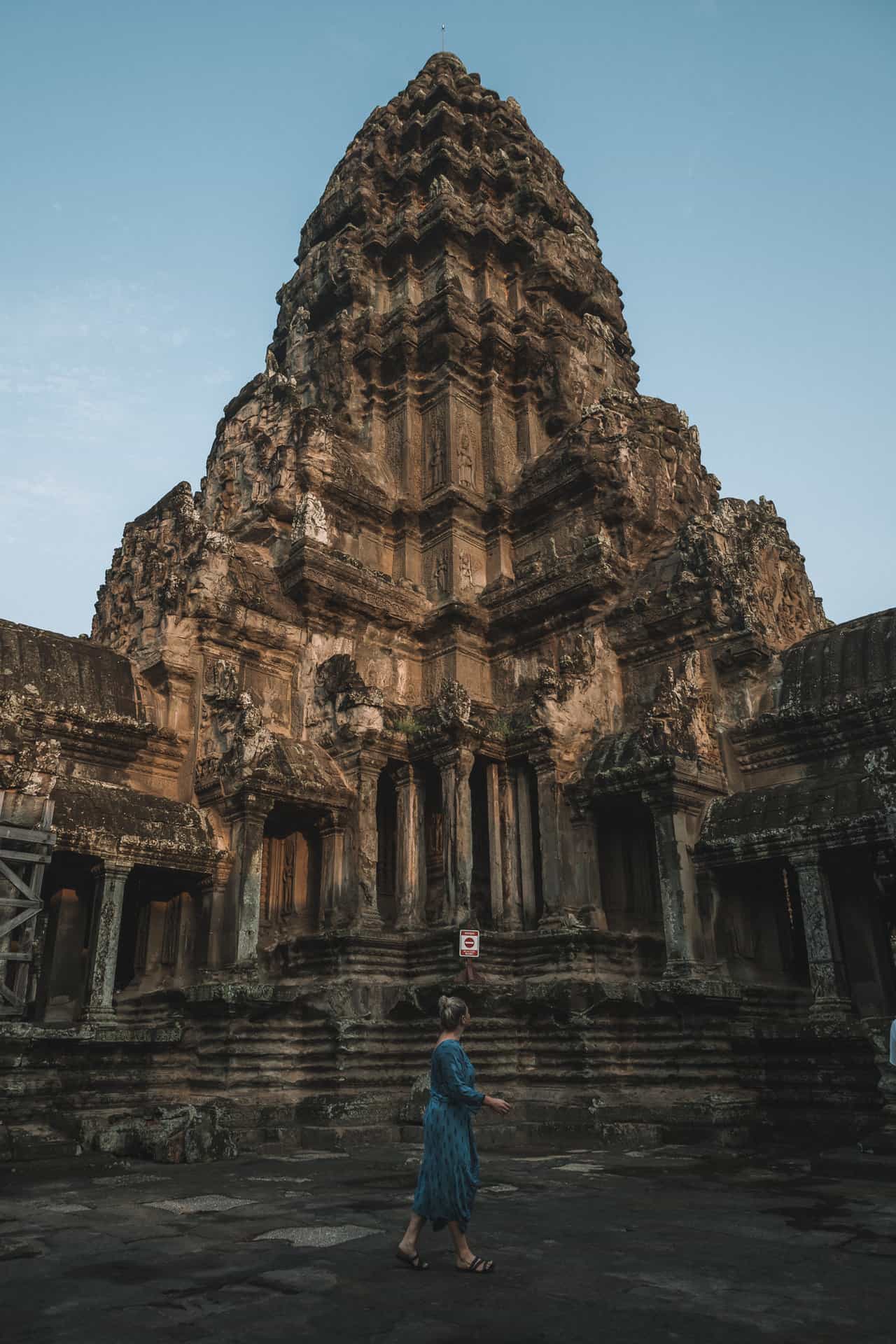
Cambodia has a rich history dating back to the Khmer Empire, which thrived from the 9th to the 15th century. The empire’s capital, Angkor, was known for its grand temples, including Angkor Wat which was built in the 12th century. In the 19th century, Cambodia became a French colony.
After gaining independence in 1953, Cambodia went through a turbulent period, including the Khmer Rouge regime led by Pol Pot in the 1970s, resulting in a tragic genocide. The country has since made progress towards stability and development, with a constitutional monarchy and a growing economy.
Culture, Traditions, & Customs in Cambodia
Cambodia is a fascinating country in terms of culture, traditions, and local customs. The predominant religion is Theravada Buddhism, which deeply influences daily life, festivals, and customs. Family is at the core of Cambodian society, with respect for elders being a deeply ingrained tradition, often with multiple generations living under one roof. It’s common to get married young and have kids young so that when you’re grown, your kids can take care of you – the parents. Another interesting custom relating to family in Cambodia is that when a child grows up and begins working, they give their money to their mother and the mother controls the finances for the household.
Common greetings include the “sampeah,” a prayer-like gesture with pressed palms and a slight bow. As a western traveler, it’s common to shake hands or even hug when meeting someone – but in Cambodia these practices are foreign and uncomfortable for locals. Cambodia celebrates various festivals, with Khmer New Year, Water Festival, and Pchum Ben being some of the most significant. Cambodian culture also features exquisite art, including silk weaving, pottery, wood carving, and the renowned Angkor Wat temples with intricate Khmer architecture and art. Cambodia’s culture is a blend of ancient traditions and a resilient spirit, making it a fascinating and unique destination.
I VISITED CAMBODIA AS PART OF AN 8-MONTH ITINERARY THROUGH SOUTHEAST ASIA – YOU CAN SEE MY ITINERARY HERE!
Safety Tips for Visiting Cambodia
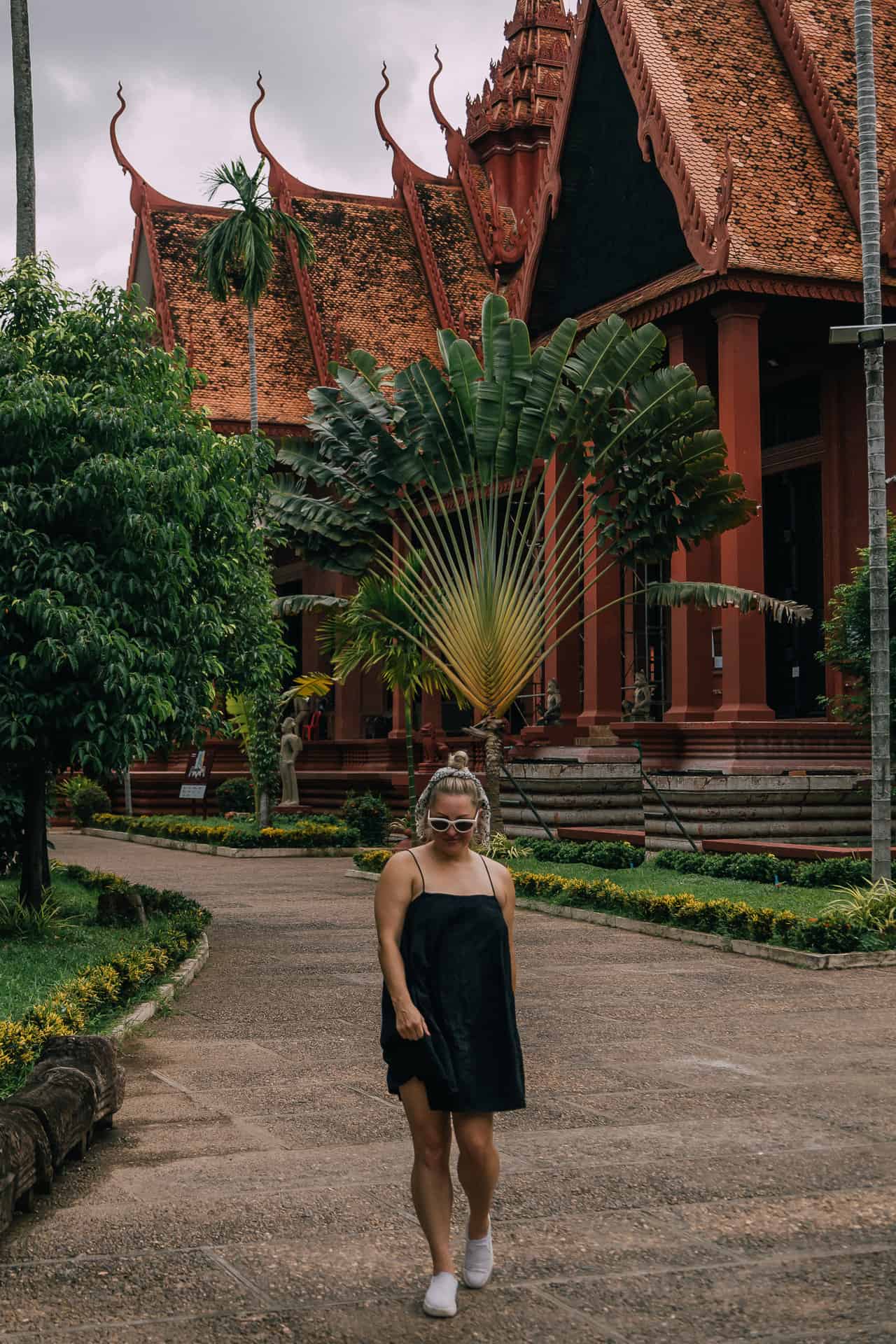
Cambodia ranks 73rd out of 163 countries and territories on the Global Peace Index (for reference, the United States holds the 131st spot). In my experience traveling through Cambodia with my boyfriend, I felt perfectly safe. However, here are some general safety tips to follow when traveling through Cambodia.
- Make two copies your passport; keep one copy in a separate place from where you keep your passport, and leave the second copy at home with a loved one
- Forward all hotel reservations to a family member/friend so they can track where you’re supposed to be at all times
- Know the number and address of the US Embassy (or whatever country you’re from). In this case, the US Embassy is located in Phnom Penh, the number is +855 23 728 000 and the address is 1 Christopher Howes (96), Phnom Penh, Cambodia
- Know how to dial out – the code for Cambodia is +855
- Know how to contact the police – 117; firefighters -118; medical emergency service -119
Theft
Pick-pocketing and petty theft are the most common crimes in Cambodia. To prevent being robbed, keep your belongings in a zipped purse, that’s hard to get into. Don’t leave your purse on a chair or table if you’re sitting outside, and if you’re a man make sure to keep your wallet and phone in your front pockets.
If you’re walking down the street, keep your phone in your purse or tucked in your arms as it’s also common for a motorcyclist to come up and grab your phone out of your hand.
Scams
The biggest scam in Cambodia involves children asking for money. Under no circumstances should you ever give a child money – even if it’s only $1. This not only encourages begging, but it also encourages children to miss school and because the child is earning an income for the family, it encourages the family to keep sending the child out on the streets to beg.
Another scam that has disappeared throughout the years thanks to people in tourism bringing awareness to this scam, is for mothers to drug their newborn child and stand on the streets with the “sleeping” child asking for money. Again, under no circumstances should you give these women money. Once the child grows and isn’t able to be held, they birth another child and the cycle starts over. Because awareness has been brought to this issue, mothers have almost completely stopped this practice because they’ve realized its a poor way to make an income.
A scam that saddens me is placing children in orphanages for money. While some orphanages are legit, many aren’t. Often families will place their kids in orphanages and volunteers will come and give money to “support the orphanage” and the money will be given to the families of these children while the children stay in the orphanages. Please do not travel to Cambodia with the intent to volunteer or visit an orphanage. There are better ways to help children than this.
Lastly, child trafficking is rampant in Cambodia. If you see something suspicious (a western man with a young Cambodian child) – speak up to the hotel staff. Be wary of anyone – especially an older man – coming to teach English to children in Cambodia. Again, this practice is more harmful than helpful and exploits children.
Vaccines to Get Before Visiting Cambodia
I highly recommend checking out the CDC recommendations for vaccines to get before visiting Cambodia, and making an appointment with an infectious disease doctor before traveling.
Travel Insurance
Another way to ensure safety during a trip is by purchasing travel insurance. Travel insurance can cover illness, theft, airplane and hotel cancellation, and emergency evacuation services if something arises (each plan is different so make sure to see what your insurance covers before purchasing). I used SafetyWing while traveling through Cambodia and would highly recommend it.
Read more about why I recommend travel insurance…
PURCHASE TRAVEL INSURANCE HERE WHEN TRAVELING THROUGH CAMBODIA
The Best Time to Visit Cambodia
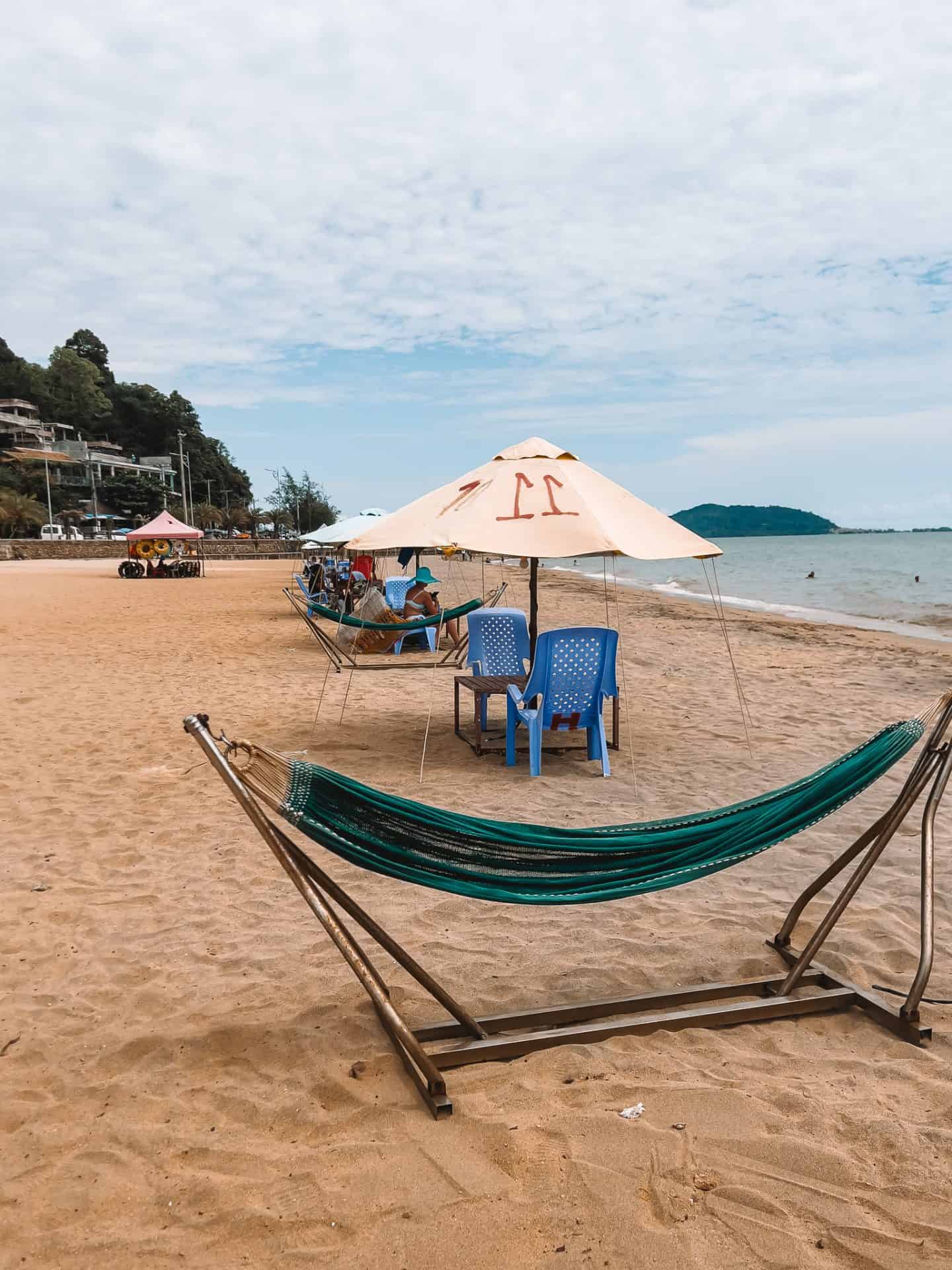
Cambodia is a hot country year-round, but the hottest months of the year are March-May when temperatures 90°+ F. The coolest months of the year are December and January where temperatures are around 75-85° F.
Dry season in Cambodia is from November-April, and rainy season from May-October. Rainy season can bring heavy rainfall and while there are less tourists at this time, it’s also not the most ideal time to visit.
I traveled to Cambodia at the end of rainy season in October. I did experience scattered rainstorms but nothing so bad that deterred my plans. This time also brought fewer tourists so many hotels were offering rates at discounted prices.
Visa Requirements for Visiting Cambodia
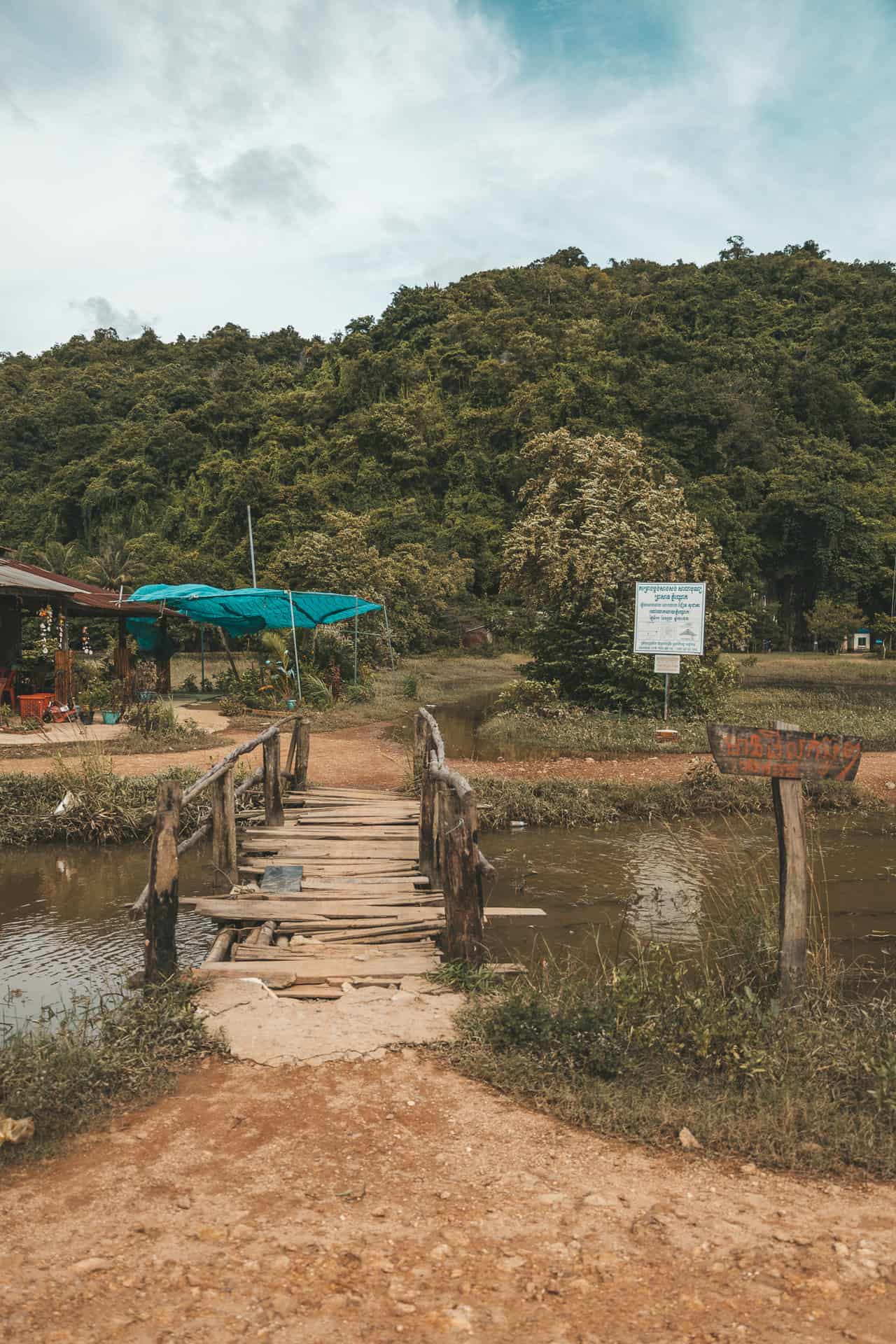
While there are exceptions to some countries, Cambodia does require a visa to travel to the country. In my experience, the easiest way to obtain a visa is online using iVisa. Make sure to apply at least 10-days before traveling to Cambodia to ensure your visa arrives on time.
GET YOUR VISA TO CAMBODIA HERE!
Cost of Visiting Cambodia
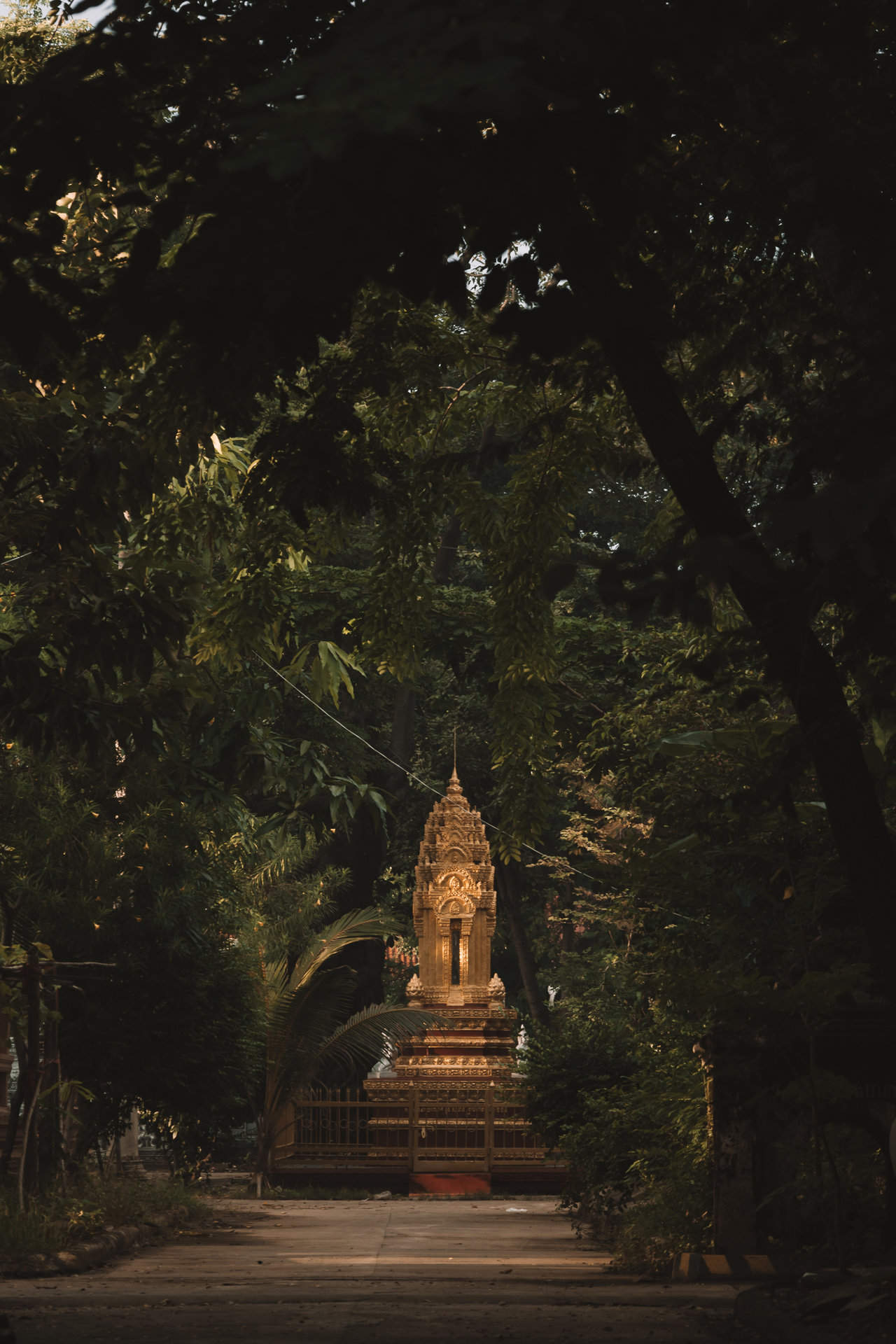
I visited Cambodia after traveling to Vietnam, so my views were a bit skewed as Vietnam is one of the cheapest countries in Southeast Asia. With that being said, Cambodia is very affordable (much more so than any other western country), but it wasn’t as cheap as Vietnam. If you’re planning a trip to Cambodia, I would say that you can expect to spend (on food, accommodation, and tours)…
- Budget: $10-30/day
- Mid-Range: $40-$60/day
- Luxury: $100-$150/day
Also, if you’re traveling to Siem Reap (the star of Cambodia), prices are higher than what’s listed above.
Depending on where you eat, I found food to at times be surprisingly expensive. Eating street food in Cambodia doesn’t have the best reputation and is far less common amongst travelers so chances are you’ll mainly be eating in restaurants. Depending on what restaurant you’re at (and where you are in Cambodia) the price of a meal generally ranges from $5-$15. Transportation is very cheap in Cambodia, and you’re able to negotiate with tuk-tuk drivers to bring costs down. If you download the app “Grab” this will definitely be the cheapest way to get around, otherwise your hotel can arrange rides for you which is more convenient but costly. (If you need to travel through Cambodia, taking a bus will be your cheapest option). Tours can be cheap (if you join a group) or more expensive if you want a private guide. Lastly, hotels and homestays are pretty affordable throughout Cambodia (aside from Siem Reap). I used Booking.com to compare hotel prices throughout the country.
Currency in Cambodia
The currency is Cambodia is quite confusing because they use both the USD and their local currency – riel. (At time of writing, $1 = ៛4,000).
There are some ATMs in the country that will give you the option to choose between riel and USD, but some that just give you USD. When you pay in USD you’ll usually get a mix of both USD and riel back in change. Because you don’t want to leave Cambodia with an excess of riel, make sure you break your big bills (i.e. if you have a $100 bill) long before leaving so that you don’t pay with a big bill at the end of your trip and end up receiving your change in riel.
Lastly, in order to use USD to pay, the bills have to be in pristine condition. They cannot be ripped or torn or they won’t be accepted. For this reason, every time you receive a USD back, make sure to check its condition.
Cash vs Credit/Debit
When you visit Cambodia, I highly recommend getting cash out when you arrive. I don’t suggest bringing your own currency and exchanging it at the airport because you generally won’t get a good exchange rate. Instead, use the ATM and make sure that you’ve notified your bank of travel so that you can access your account. The ATM fees in Cambodia were expensive ($5/transaction) so make sure that you get most of your money out at once so you don’t have to keep returning and paying a fee.
As far as using a credit/debit card, there are opportunities for you to use a card, mainly at bigger restaurants or when booking buses/hotels. Sometimes you will be charged a 3% additional fee, but you will be notified of this before being charged.
If you’re wondering how much cash to take out, I spent three weeks in Cambodia and took out about $350 total. I made sure to use my credit card whenever it was an option so that I didn’t have to continue to pay the ATM fee.
Tipping Practices
Tipping is not common in Cambodia. Of course, tipping is greatly appreciated but it’s not expected. There are some instances you will notice a “tip” jar at places. If you feel inclined, of course you can leave some money but don’t feel obligated.
How to Get to Cambodia
Cambodia has two international airports, one in Phnom Penh and the other in Siem Reap. (The Siem Reap airport is brand new and will eventually have direct routes from the United States). These will most likely be the two airports you will be flying into if you travel to Cambodia. I recommend using Skyscanner and Expedia to compare flight options and prices.
If you’re coming from another country in Southeast Asia like Laos, Thailand, or Vietnam you can also explore the option to travel by land and take a bus into Cambodia. Use Bookaway or 12Go filter through options and compare prices.
Tips for Getting to Cambodia from the USA
If you’re planning a trip to Cambodia from the USA your journey can be pretty long! To make your journey more comfortable, and maybe even more affordable, here are some simple tips…
- If you live in a small city, buy a flight out of a bigger city to save money
- For example, I live in Omaha, NE so I use Southwest points to fly to Chicago in the morning, then get a night flight out of Chicago to my destination
- Compare prices when it comes to arriving/departing from Phnom Penh vs Siem Reap
- Look at flight prices/times if you fly from the East Coast vs the West Coast
- Open a travel credit card to earn points to potentially use for your flight
- Compare flight prices on Expedia and Skyscanner
- Purchase travel insurance (before traveling) in case anything goes wrong with your flight
How to Get Around Cambodia
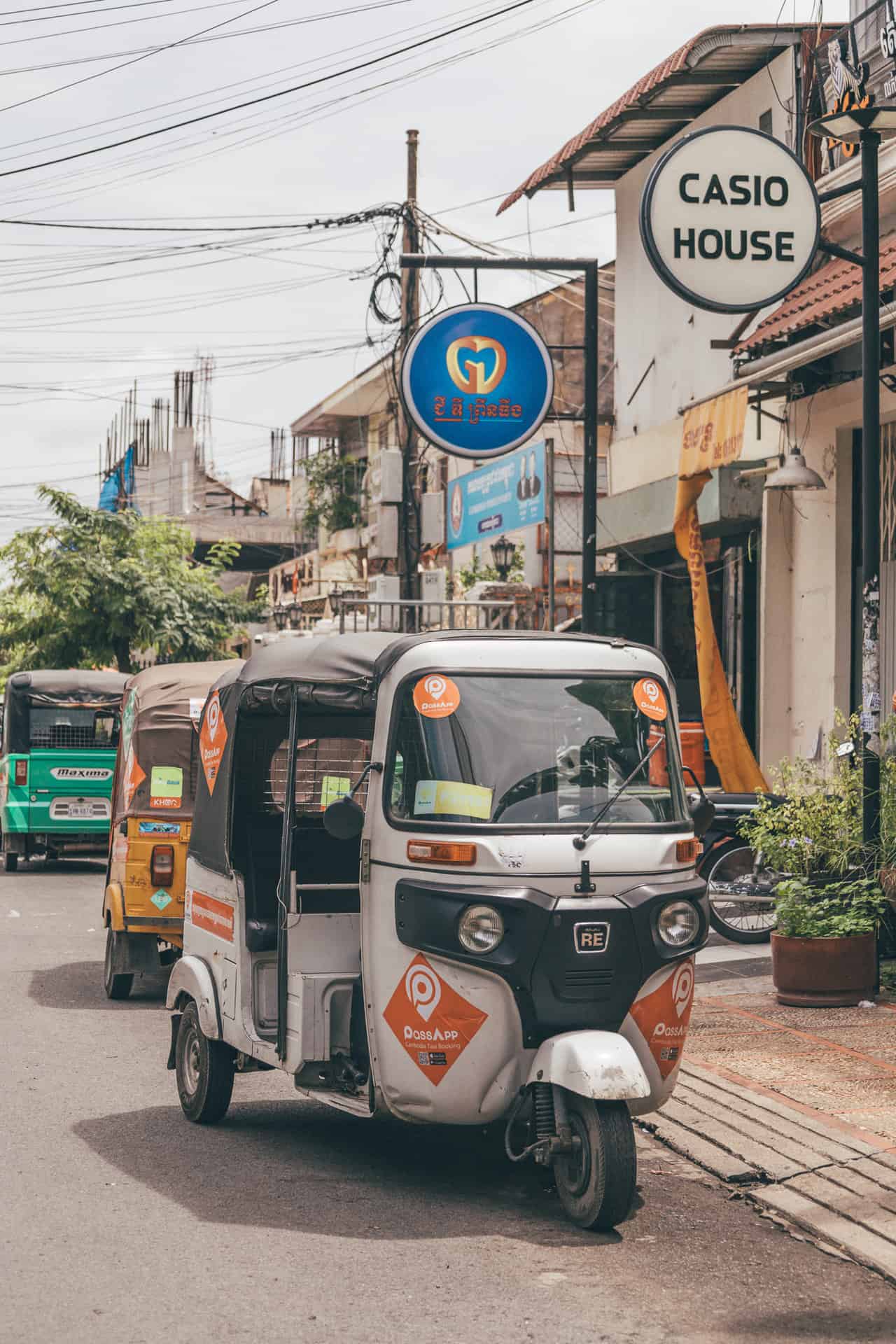
Cambodia is used to tourists so they’ve done a great job at building infrastructure to easily get around the country. You can fly, use taxis, rent a motorbike, walk, take a tuktuk, or take a bus. Here are some great resources to use for getting around Cambodia…
- “Grab” or “Pass” for affordable taxis/motorbikes for short distances (Grab is not available in all cities throughout Cambodia and when it’s not, Pass is. However with Pass you need a Cambodian phone number to use the app).
- Bookaway or 12Go for bus travel to different regions
- Welcome Pickups if you want a private, English speaking guide waiting for you at the airport (only available at the Phnom Penh airport)
- Motorbike – this is a great option if you want to explore a more remote destination that isn’t walkable
- Ask your hotel – hotels are more than happy to help you with accommodation, just make sure to ask what the price is ahead of time
Cambodian Food & Drink
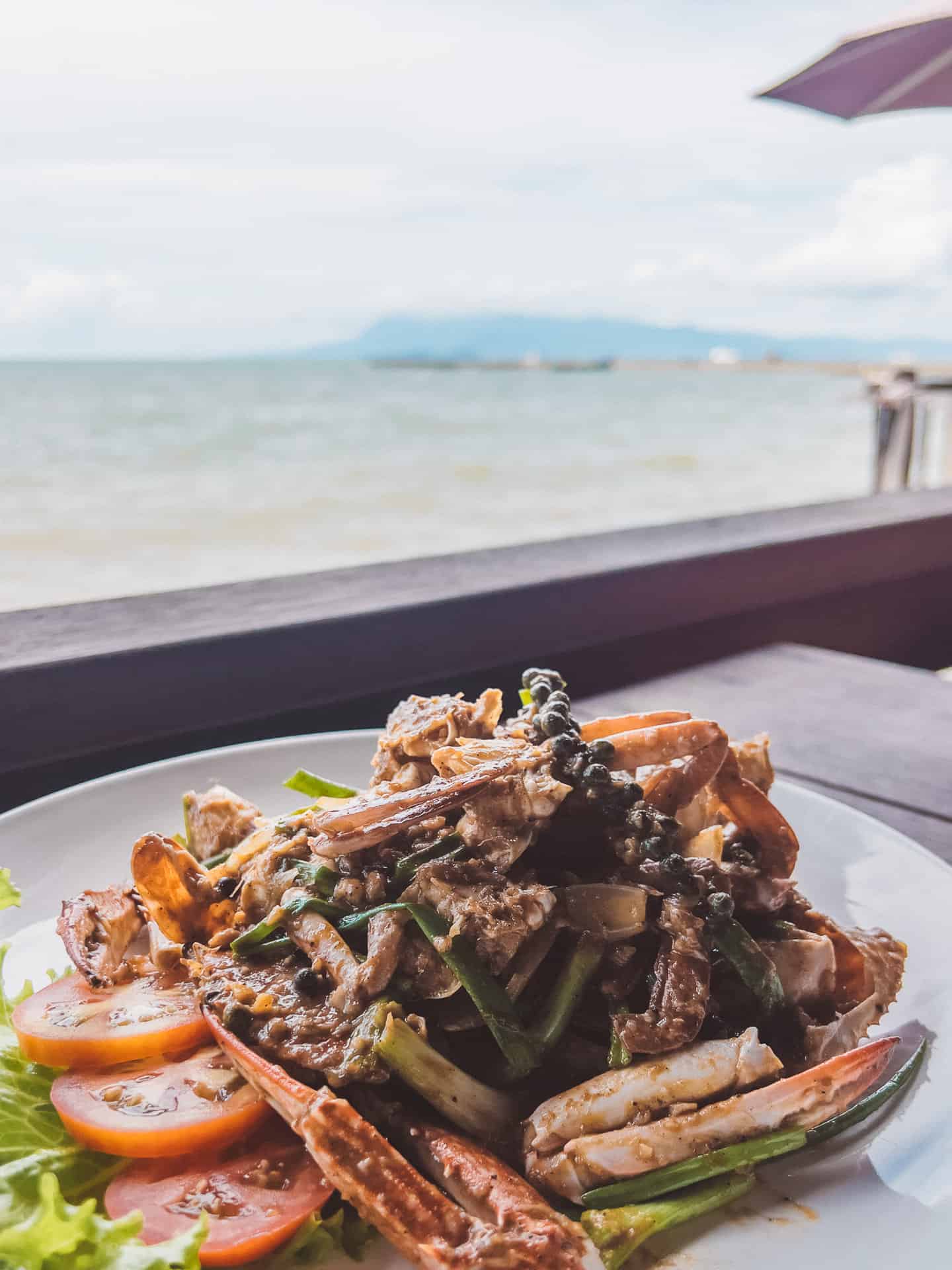
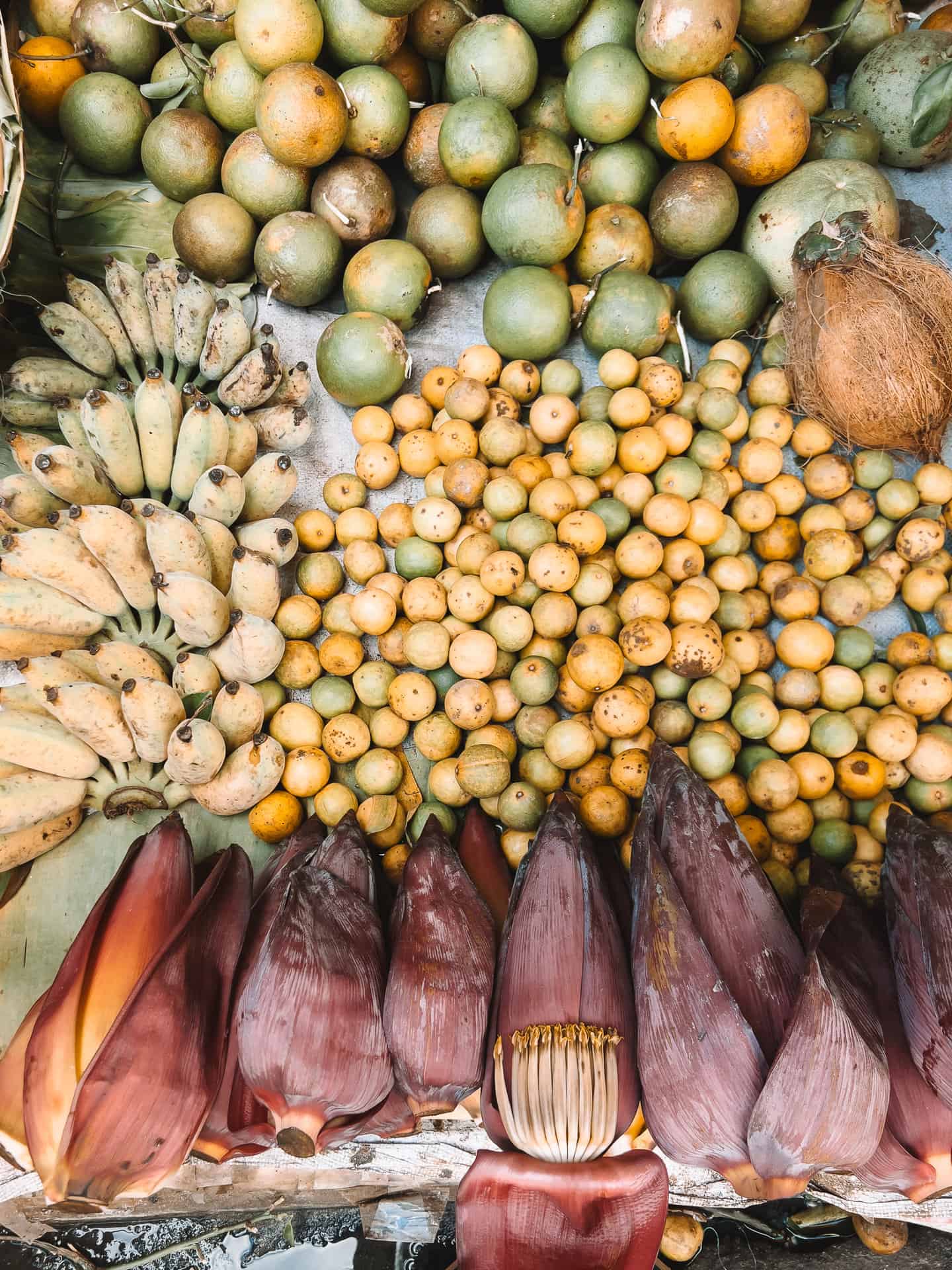
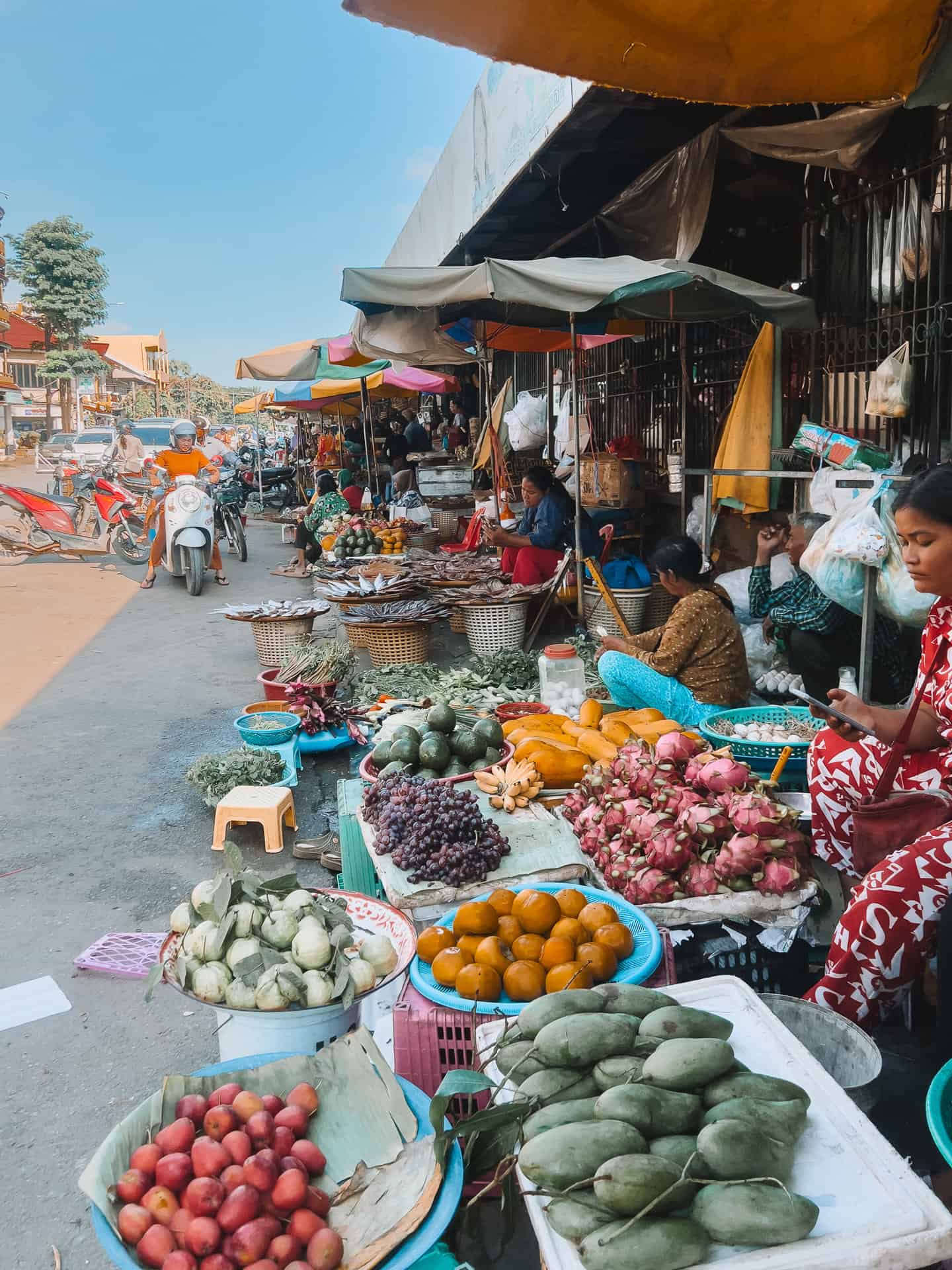
I was thoroughly impressed with the food in Cambodia, and while there isn’t a ton of variety when it comes to local dishes – each local dish was delicious! Cambodian cuisine features flavors like lemongrass, coconut milk, and herbs, with dishes like fish amok beef lok lak starring on most menus. The south of Cambodia is rich with seafood and the north, meat. My favorite foods and dishes in Cambodia included…
- Khmer curry
- Beef lok lak
- Fish amok
- Cambodian spring rolls
- Kep crab
- Kampot pepper
I believe that the best way to experience a country is through its food; if you plan to visit Phnom Penh or Siem Reap I highly recommend checking out Cookly to experience a local cooking class.
As far as drinking, I don’t recommend drinking the tap water. When you ask for water you’ll almost always get a bottle of water or you might get filtered water if it’s available. To cut down on plastic waste, I suggest bringing a reusable water bottle with you and requesting filtered water when available.
BOOK A LOCAL COOKING CLASS HERE!
Cambodian Language & Simple Phrases to Know
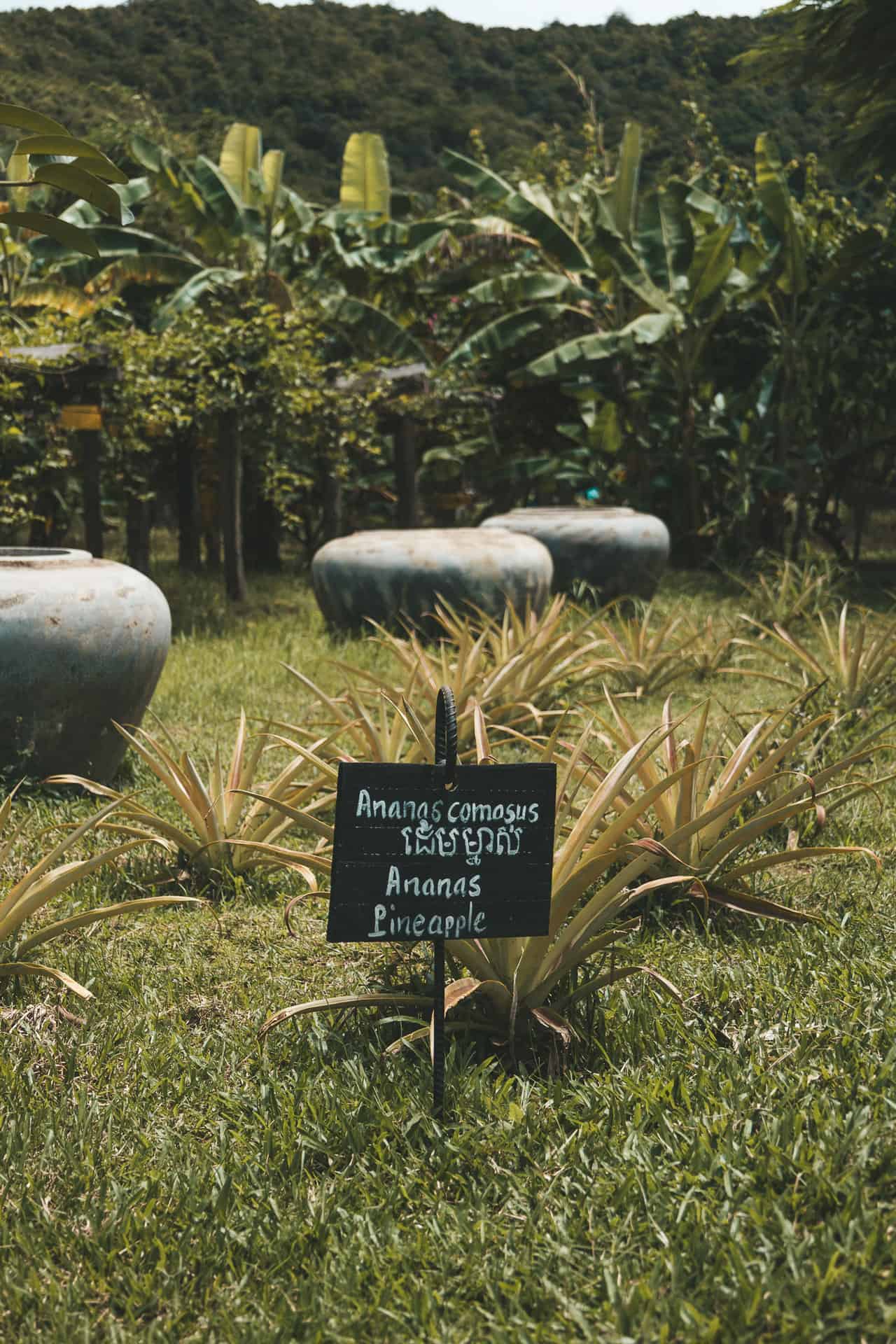
The main language in Cambodia is Khmer, but English is also spoken with most people knowing at least enough English to get by. All tour guides and hotel staff will know enough English to assist you in getting around and helping you out.
When traveling, I always think it’s polite to learn a few phrases in the language of the country that you’re visiting. Here are a couple of Khmer words that can help you get by…
- Thank you = Saum Arkoun
- Hello = Suostei
- Goodbye = Leahaey
- Toilet = Bangkon
What to Pack for Cambodia
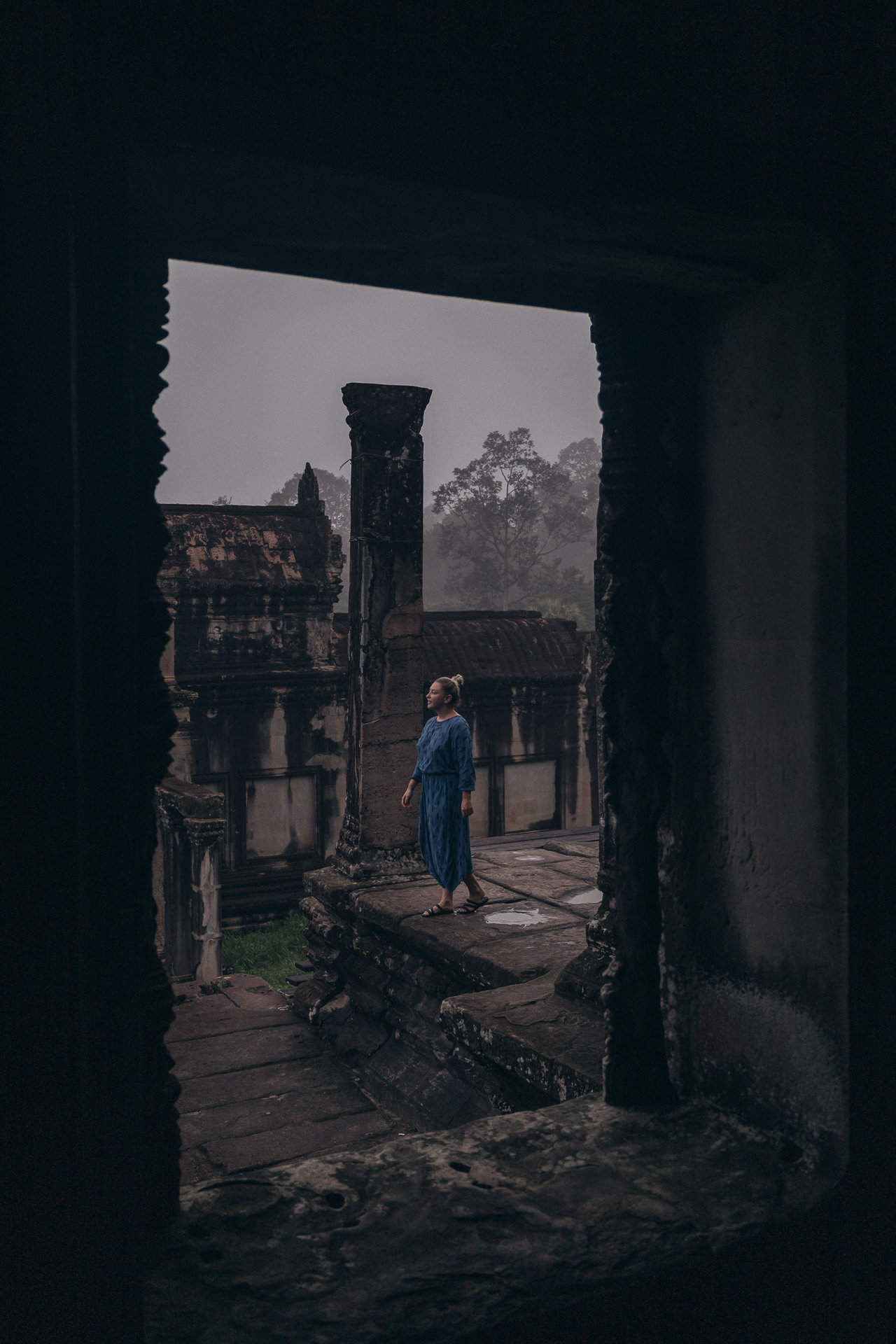
Below you’ll find everything I suggest packing for a trip to Cambodia…
- Swimming suit (if you’re going south or staying in a hotel with a pool)
- Waterproof phone pouch (for beach days)
- Breezy dresses
- Linen outfits
- Sunglasses
- Comfortable walking shoes
- Shower shoes/beach shoes
- Eye mask for the airplane
- Reusable water bottle (to keep your water cool on hot days)
- Lock for suitcase
- Bug spray
- Sunscreen (face and body)
There are times in Cambodia where you’re required to cover your knees and shoulders. I recommend bringing at least one outfit that does this.
For a more extensive packing guide, don’t miss:
Accommodation in Cambodia
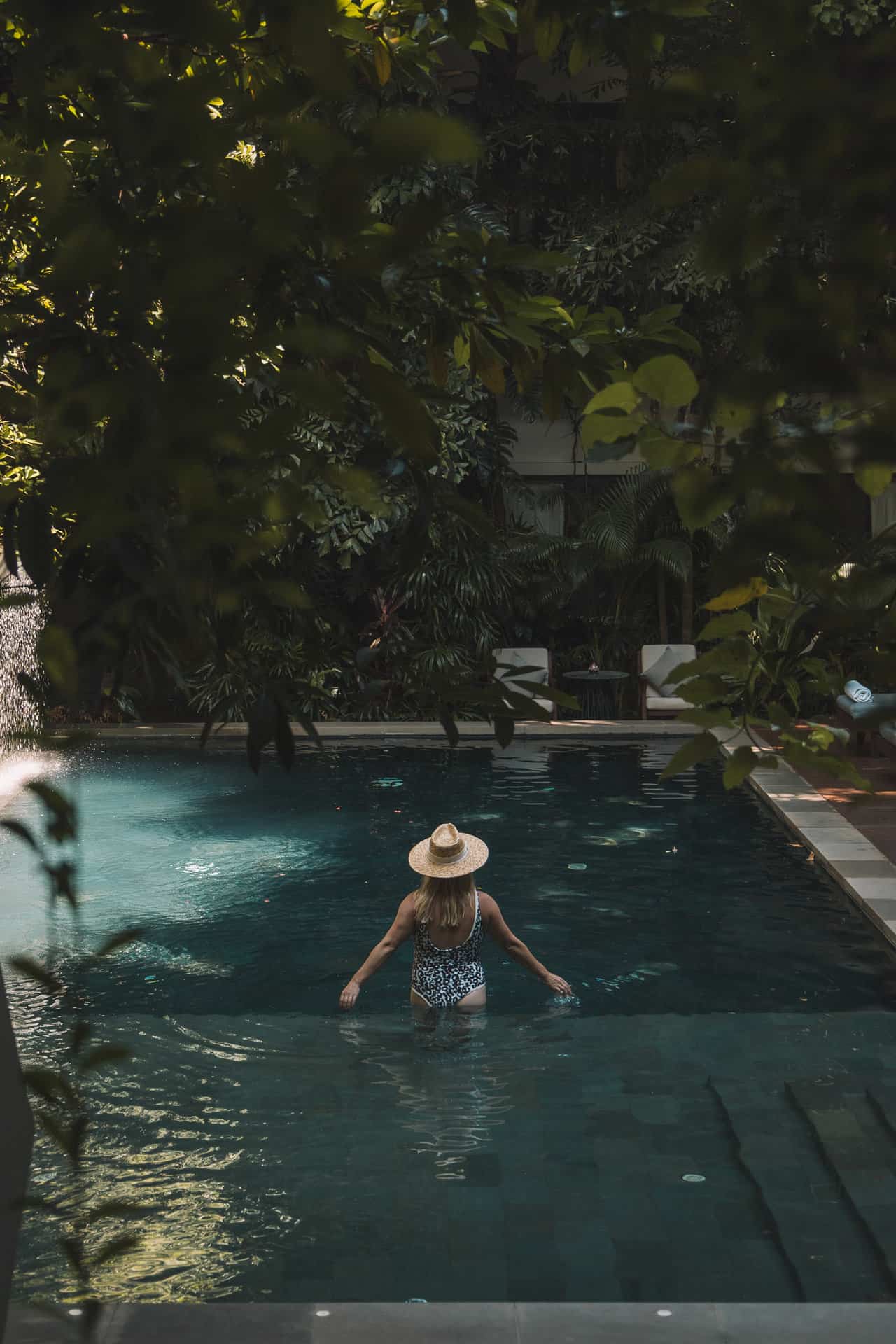
Jaya House River Park in Siem Reap
By far, the easiest way to book accommodation in Cambodia is by Booking.com. Not only will you find a plethora of hotels but you’re also able to filter through options. Before browsing accommodations, I always make sure that I have “free wifi”, “very good 8+ reviews”, “distance less than 1 km to center” toggled ON. From there, I browse through accommodations and choose the best one for me.
Hotels that I personally stayed in during my time in Cambodia (that I would recommend) include…
- In Kampot
- In Battambang
- In Phnom Penh
- In Siem Reap
If you’re specifically interested in hotels in Siem Reap, don’t miss:
BOOK YOUR STAY IN CAMBODIA HERE!
Planning Your Route Around Cambodia
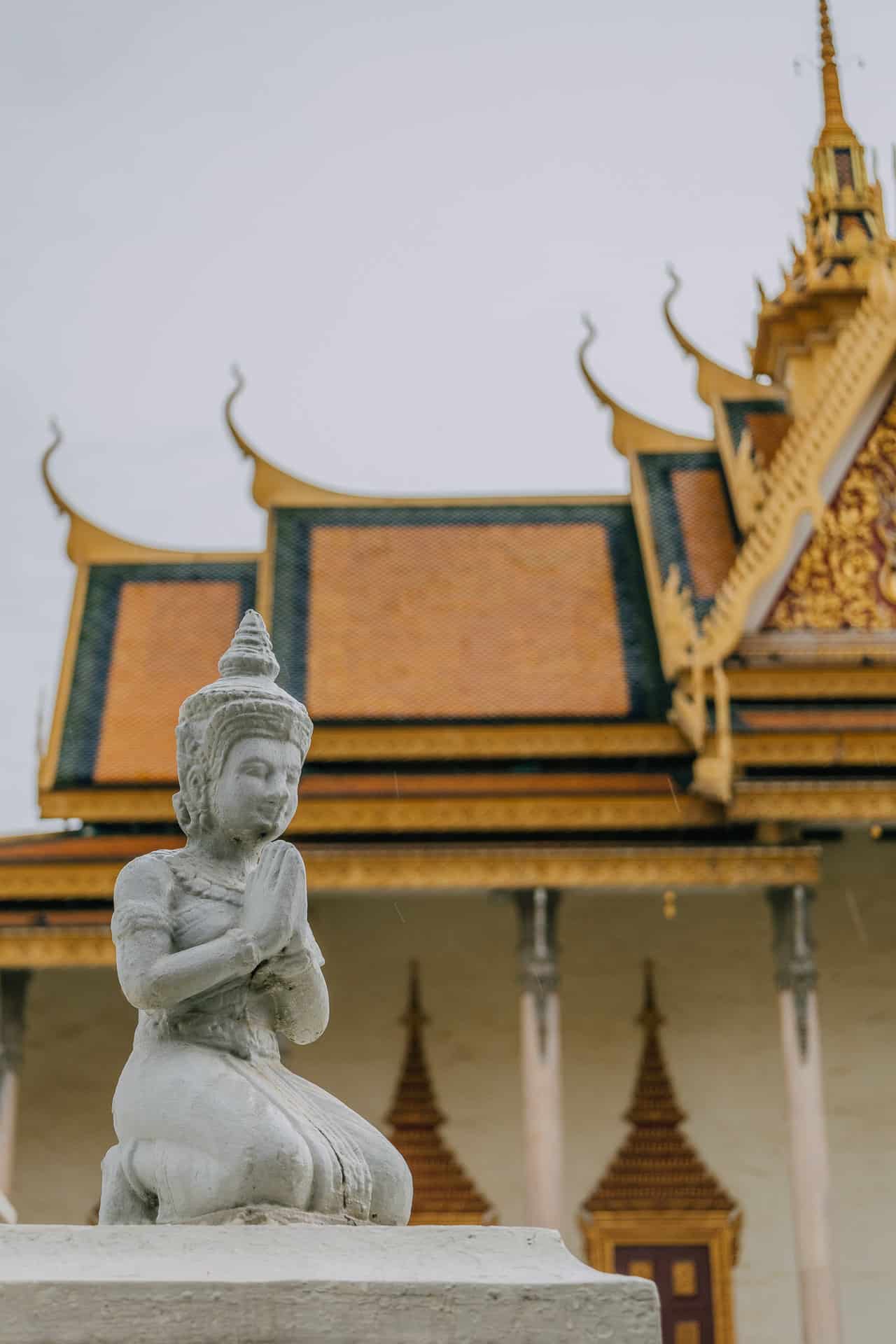
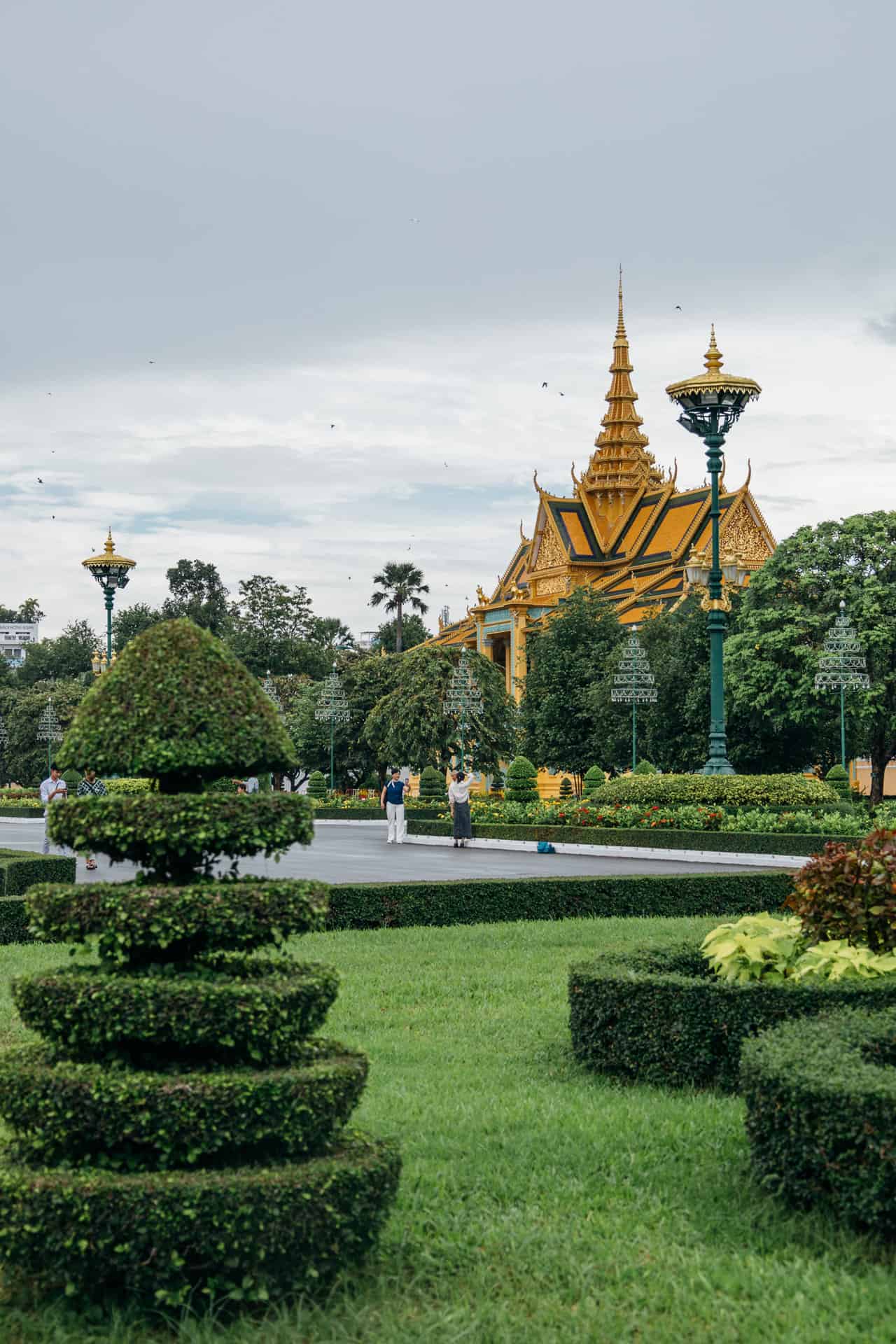
There’s enough things to see and do in Cambodia to entertain you for at least a month. However, the country is still small enough that if you’re limited on time, you can see all of the highlights in a week. When planning your route around Cambodia, first figure out how long you have to spend – and go from there.
If it’s your first time to Cambodia, I would highly recommend prioritizing Phnom Penh to learn about the history of Cambodia and visit the killing fields. And prioritizing Siem Reap to visit Angkor and learn more about the great Khmer empire. If you have more time, or it isn’t your first time to Cambodia, other highlights of the country include Kampot, Kep, Battambang, Koh Rong, and Koh Rong Samloem.
Cambodian Itinerary at a Glance
Here are a couple of different itinerary ideas depending on how long you have to spend in Cambodia…
1 WEEK IN CAMBODIA
- Phnom Penh – 2 nights
- Battambang – 2 nights
- Siem Reap – 3 nights
2 WEEKS IN CAMBODIA
- Phnom Penh – 2 nights
- Kampot – 2 nights
- Koh Rong/Koh Rong Samloem – 3 nights
- Battambang – 2 nights
- Siem Reap – 4 nights
Cambodia Essentials – What You Need & Need to Know About Visiting Cambodia
TRAVELING THROUGH CAMBODIA
- The easiest way to book bus tickets in Cambodia is through Bookaway or 12Go
- To book a flight to Cambodia, I recommend Expedia or Skyscanner to compare options
- Cambodia does require a visa, you can purchase one through iVisa
- I highly recommend travel insurance when traveling through Cambodia – I use and recommend SafetyWing
ACCOMODATION IN CAMBODIA
- To easiest way to book hotels in Cambodia is through Booking.com
TOURS IN CAMBODIA
- For tours and activities in Cambodia, I recommend using Viator
- For cooking classes in Cambodia (only in Siem Reap & Phnom Penh), I recommend using Cookly
WHAT TO BRING TO CAMBODIA
- Don’t forget a Cambodia guide book to help plan your travels
- I recommend bringing a reusable water bottle to keep your water cold on hot days and to cut down on plastic waste
- Don’t forget to travel with bug spray and sunscreen (face, body)
I absolutely loved my time in Cambodia and am so happy that I had the opportunity to visit. If you’re traveling to Southeast Asia and considering putting Cambodia on your bucket list – you won’t be disappointed. It’s a truly fascinating country rich in history and culture, and home to millions of Khmer people waiting to show you their beautiful country. If you have any other questions about planning a trip to Cambodia, let me know in the comments below!
To help plan your travels through Cambodia, don’t miss:
- The Ultimate 10 Day Cambodia Itinerary
- 1 Day in Phnom Penh
- 10 of the Best Things to do in Kampot, Cambodia
- A Complete Battambang Itinerary – Everything You Need to Know About Visiting
- The Ultimate 3 Day Siem Reap Itinerary
For more information on things to see and do in Cambodia, make sure to check out my Instagram page/highlight reel by searching “#ppincambodia” or under my highlights for “Cambodia”; alternatively, head to my TikTok and search for the saved “Cambodia” highlight
Pin Me!

Disclosure: This post may contain affiliate links, meaning I get a commission if you decide to purchase through my link, at no cost to you. Passports and Preemies is also a participant in the Amazon Services LLC Associates Program, an affiliate advertising program designed to provide a means for sites to earn advertising fees.

Founded by Kylee, a NICU nurse with nine years of experience, including seven years as a travel nurse; Passports and Preemies was created in 2017 and is now the go-to travel and lifestyle channel for nurses who crave adventure beyond the bedside. Whether you’re a staff nurse looking for your next getaway or a travel nurse navigating life on the road, this space is designed to help you maximize your time off, explore the world, and prevent nurse burnout.
On Passports and Preemies, you’ll find everything from travel nursing insights – how to get started, land the best assignments, and thrive on the road – to expert travel tips, destination guides, and real-talk about balancing nursing with a life well-traveled. Passports and Preemies also includes Beyond the Bedside – group trips for nurses around the world; as well as the podcast, Passports and Preemies Talks.


GOOD JOB N INFO
Author
Thanks for reading! I hope you enjoy your trip!