
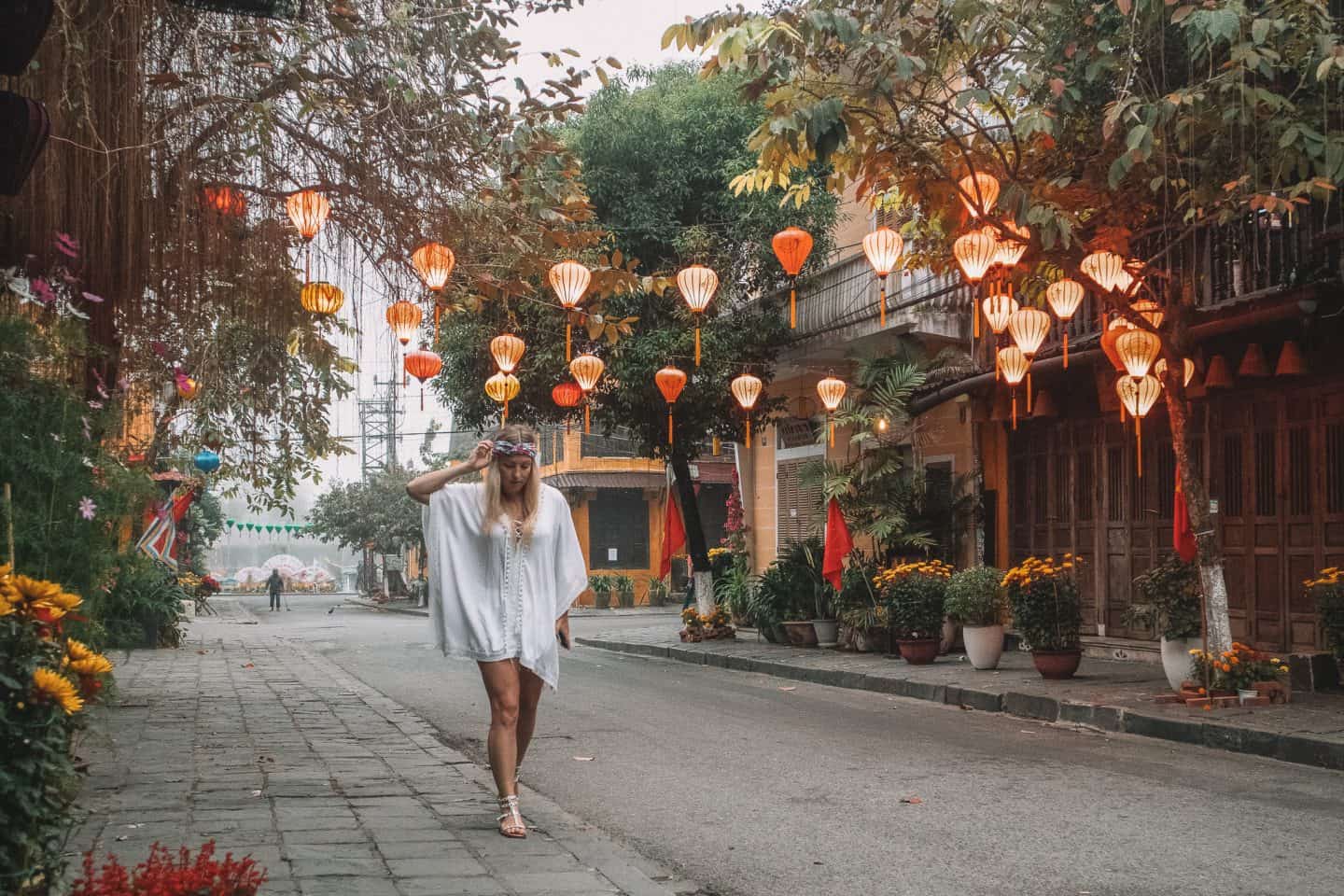
A star of Southeast Asia, Vietnam is visited by backpackers, adventure seekers, and travelers looking for a unique getaway. Its culture, stunning landscapes, and cheap nature not only allow anyone to visit, but is also what makes the country shine so brightly in a region of beautiful places. If you’re traveling to Southeast Asia and wondering which country to visit, I suggest putting Vietnam at the top of your list. Having visited twice myself, I’ve fallen hard for the country and can only hope to continue to go back in the future. This is everything you need to know about planning a trip to Vietnam.
If you’re traveling to Southeast Asia, don’t miss…
Brief History of Vietnam

Vietnam’s rich history dates back over 4,000 years when it was first inhabited by indigenous peoples. It wasn’t until the 3rd century BC that the region coalesced into a kingdom known as Van Lang, marking the beginnings of a unified Vietnamese state. Throughout the centuries, Vietnam experienced periods of Chinese domination, which greatly influenced its culture and governance. The country’s struggle for independence culminated in the 20th century when Ho Chi Minh declared Vietnam’s independence from French colonial rule in 1945. However, this led to the First Indochina War, resulting in the division of Vietnam into North and South in 1954.
The most significant event in Vietnam’s recent history is undoubtedly the Vietnam War (1955-1975), which was a Cold War-era conflict between North Vietnam, backed by the Soviet Union and China, and South Vietnam, supported by the United States and its allies. The war left a lasting impact on Vietnam, causing widespread devastation and loss of life. In 1975, North Vietnam’s forces captured Saigon, leading to the reunification of the country under communist rule. Over the past five decades, Vietnam has undergone remarkable economic transformation and development, evolving into a dynamic and rapidly growing nation, while still preserving its rich cultural heritage. Today, it stands as a testament to the resilience and endurance of its people.
I VISITED VIETNAM AS PART OF AN 8-MONTH TRIP THROUGH SOUTHEAST ASIA – YOU CAN SEE MY ITINERARY HERE
Safety Tips for Vietnam

In 2023 Vietnam moved up the Global Peace Index and now holds the 41st spot of 163 countries and territories (for reference, the United States holds the 131st spot). In my experience visiting Vietnam (I visited once solo and once with my boyfriend) I felt safe both times. However, with that being said, anything can happen so here are some general safety tips to follow.
- Make two copies your passport; keep one copy in a separate place from where you keep your passport, and leave the second copy at home with a loved one
- Forward all hotel reservations to a family member/friend so they can track where you’re supposed to be at all times
- Know the number and address of the US Embassy (or whatever country you’re from). In this case, the US Embassy is located in Ha Noi, the number is +84 24 3850 5000 and the address is 7 P. Láng Hạ, Chợ Dừa, Ba Đình, Hà Nội, Vietnam.
- Know how to dial out – the code for Vietnam is +84
- Know how to contact the police – 113; firefighters -114; medical emergency service -115
- Travel with travel insurance to ensure that you’re covered in case anything were to go wrong – I recommend SafetyWing.
Read more about why I recommend travel insurance…
Theft
Overall, I felt very trusting in Vietnam, but petty theft is a common occurrence, one that I experienced more than once in the south of Vietnam. The two instances of (unsuccessful) attempts at theft that I experienced was when I was walking down the street with my phone in my hand and someone on a motorbike drove up and tried to grab it. The second time I had my wallet out paying for something on the street and someone came up from behind and tried to grab my money out of my hand.
I also met a girl who got her phone stolen out of her bag at a busy market. If you’re traveling through Vietnam make sure that you’re keeping your belongings close to your body, in a zipped pursed.
Scams
I did not experience many scams either time that I visited Vietnam. The most scammy people are is if they are jacking up the price for a service (i.e. getting a ride somewhere), but that’s something that you can negotiate. Otherwise, I don’t know of any common scams in Vietnam.
Solo Female Travel in Vietnam
Like I mentioned earlier, the first time that I visited Vietnam I did it solo. I spent three weeks moving from Ho Chi Minh City to Hanoi and aside from petty theft attempts, I felt safe the entire time. Vietnam is a backpacker friendly country so not only are locals used to tourists, but there are loads of other solo travelers on the road. If you choose to travel Vietnam solo, take the same precautions you would anywhere else – don’t drink too much, don’t stay out too late, watch your drink, etc.
Vaccines to Get Before Visiting Vietnam
I highly recommend checking out the CDC recommendations for vaccines to get before visiting Vietnam. The first time I visited I did not get any “extra” vaccines before (I was already vaccinated against the common diseases that you get vaccinated for as a child). And the second time I visited Vietnam I decided to get vaccinated against typhoid and Japanese encephalitis – mostly because I was visiting for an extended period of time. I highly recommend checking vaccine recommendations here, and making an appointment with an infectious disease doctor before visiting.
The Best Time to Visit Vietnam
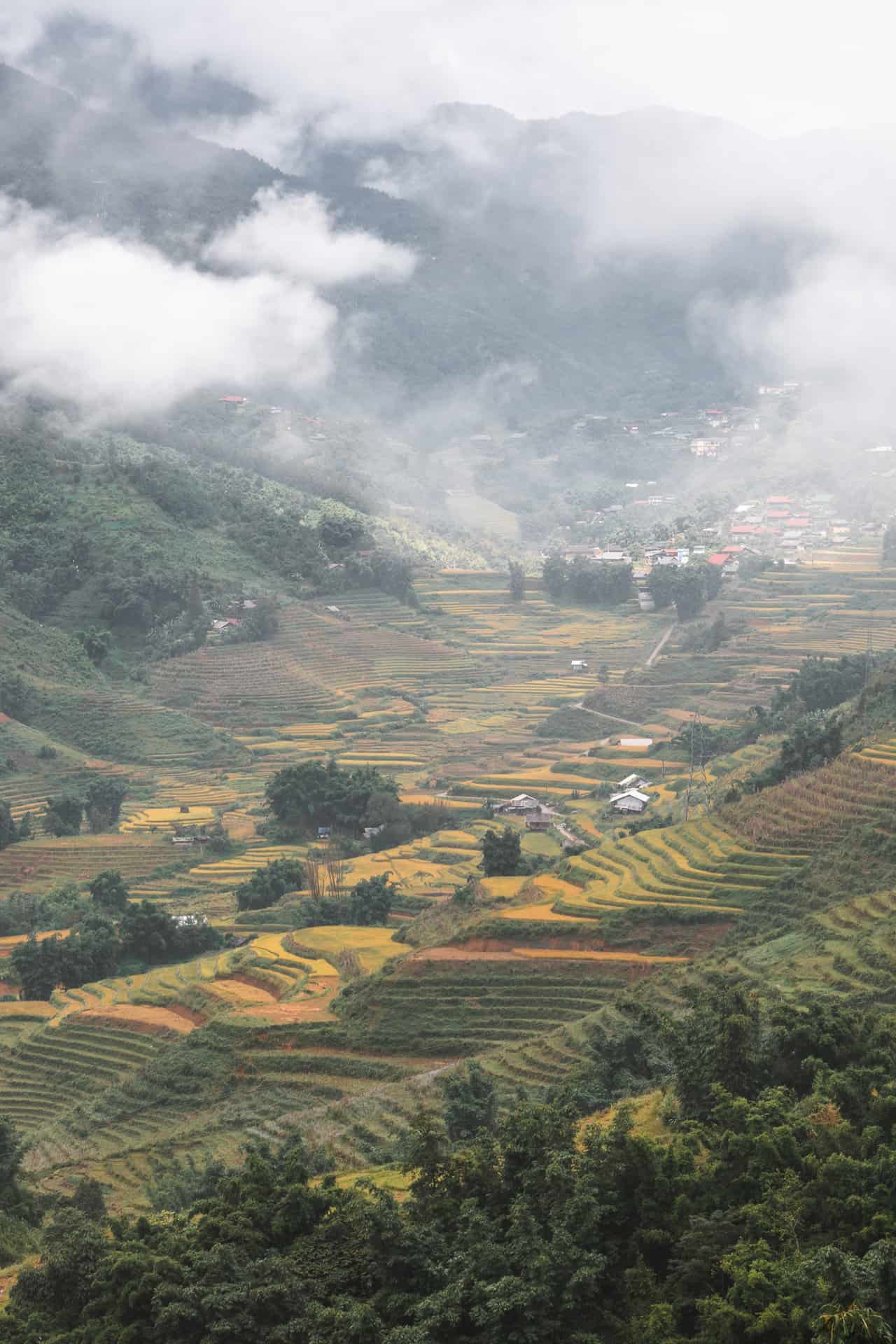
Because Vietnam is a “long” country – the north and the south can experience different temperatures at the same time of the year. Here are some of the weather patterns throughout the year…
- Southern Vietnam (Ho Chi Minh City)
- Temperatures are pretty consistent throughout the year ( 80-90°F), however can be cooler earlier in the year and hotter later in the year
- May-November: Sporadic rainfall, hot, humid
- December-April: Clear skies, hot, sunny
- Central Vietnam (Hoi An)
- September-November is rainy season
- January is the coldest month
- March is when things bloom and are very green
- September-January: Rainy, cool, cloudy
- February-August: Hot, sunny, clear skies
- North Vietnam (Hanoi)
- December-March: Cold, misty, cloudy
- April-May: Hot, clear skies, sunny
- June-August: Hot, humid, rainy
- September-November: Cool, clear skies, sunny
I visited Vietnam once in February and once in September. Of course, September is considered rainy season and I did experience rainfall, but not to the point where my trip was ruined. In February the weather was better (in terms of rain), but there were many more tourists.
Don’t miss…
Do You Need a Visa to Visit Vietnam?

Depending on what country you’re from, you might need a visa to visit Vietnam. Americans do need a visa to visit Vietnam and you have the option of getting a 30-day visa or a 90-day visa. Vietnam recently reached an agreement with some countries in Europe where people from those countries can visit for a period of time, visa-free. Either way, you can check out this website to see if you need a visa and buy your visa from there.
Also to note, I’ve been to Vietnam twice now and have never been asked to show proof of exit. However, my boyfriend was required to show proof of exit in order to be let into Vietnam and he was forced to buy a flight at the airport. I’m not saying you need to purchase a flight to leave before going to the airport, but maybe have a plan of action or book something that has a 24-hours cancellation policy.
Cost of Visiting Vietnam
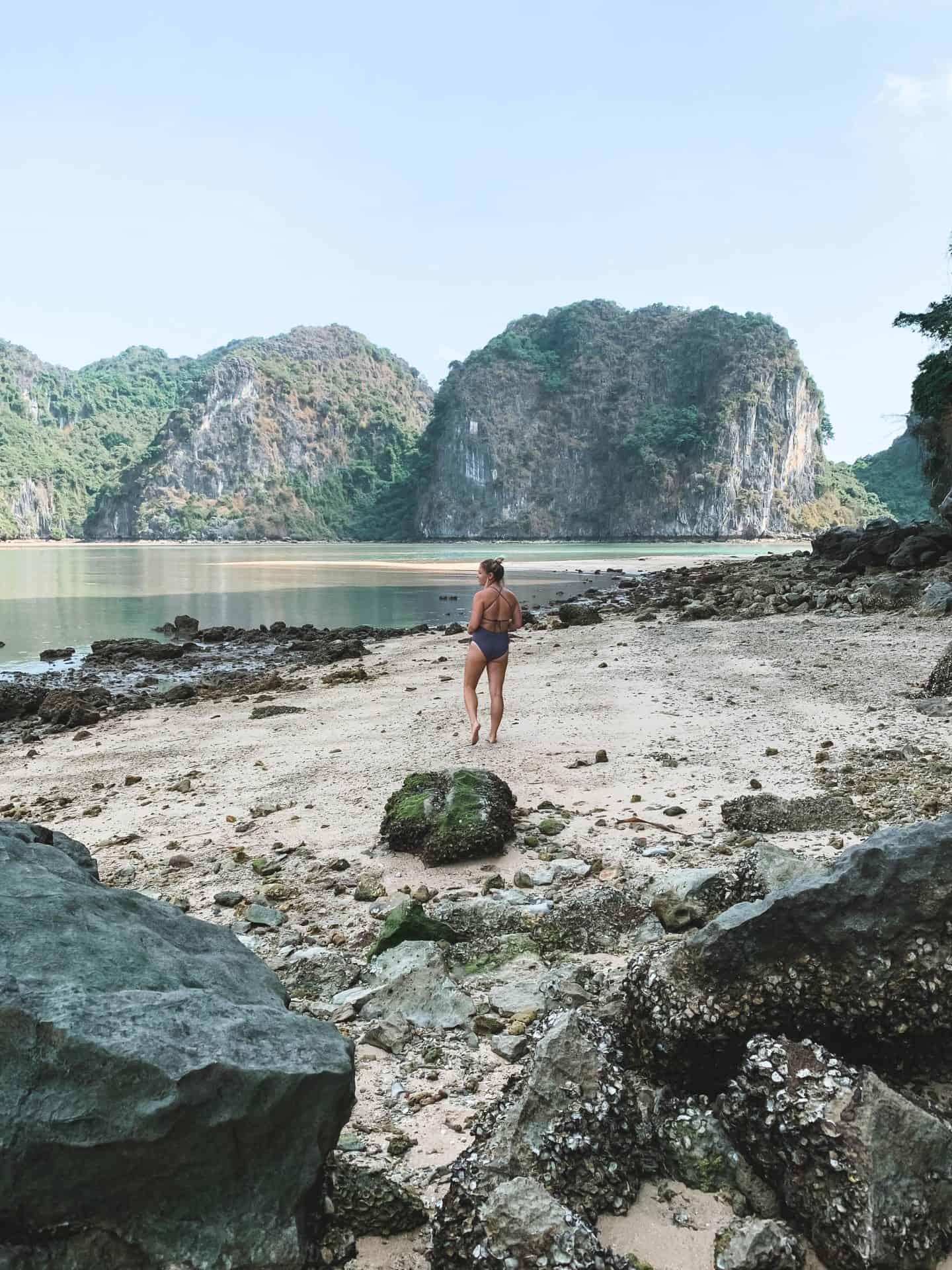
Vietnam is a very affordable country where your money can go a long ways. If you’re planning a trip, I would say that you can expect to spend (on food, stay, and tours)…
- Budget: $5-20/day
- Mid-Range: $25-$35/day
- Luxury: $40-$60/day
Food is very affordable with street food costing as little as $1-2. While transportation is cheap, it’s one of the more expensive things about Vietnam. If you download the app “Grab” this will definitely be the cheapest way to get around, otherwise your hotel can arrange rides for you which is more convenient but costly. Tours can be cheap (if you join a group) or more expensive if you want a private guide. Lastly, hotels and homestays are incredibly cheap throughout Vietnam. I mainly stayed in mid-range hotels and didn’t spend more than $30/night.
Vietnamese Currency
Vietnam uses the Vietnamese Dong (VND/đ). At time of writing, $1 = đ24,382.50.
The most confusing part of paying in Vietnamese currency is that the bills are so much higher and the cost of goods seems to be expensive. For example, a bottle of water in Vietnam generally costs 10,000 VND. While this is only 0.40 USD, when you first start paying in VND it can seem like a lot of money.
Cash vs Credit/Debit
When you visit Vietnam, I highly recommend getting cash out when you arrive. I don’t suggest bringing your own currency and exchanging it at the airport because you generally won’t get a good exchange rate. Instead, use the ATM and make sure that you’ve notified your bank of travel so that you can access your account. The ATM fee should not be more than $2.50.
As far as using a credit/debit card, there are opportunities for you to use a card, mainly at bigger restaurants or when booking buses/hotels. Sometimes you will be charged a 3% additional fee, but you will be notified of this before being charged.
If you’re wondering how much cash to take out, I spent one month in Vietnam and took out about $200 total. I made sure to use my credit card whenever it was an option so that I didn’t have to continue to pay the ATM fee.
Tipping Practices
Tipping is not common in Vietnam. Of course, tipping is greatly appreciated but it’s not expected. There are some instances you will notice a “tip” jar at places. If you feel inclined, of course you can leave some money but don’t feel obligated.
How to Get to Vietnam
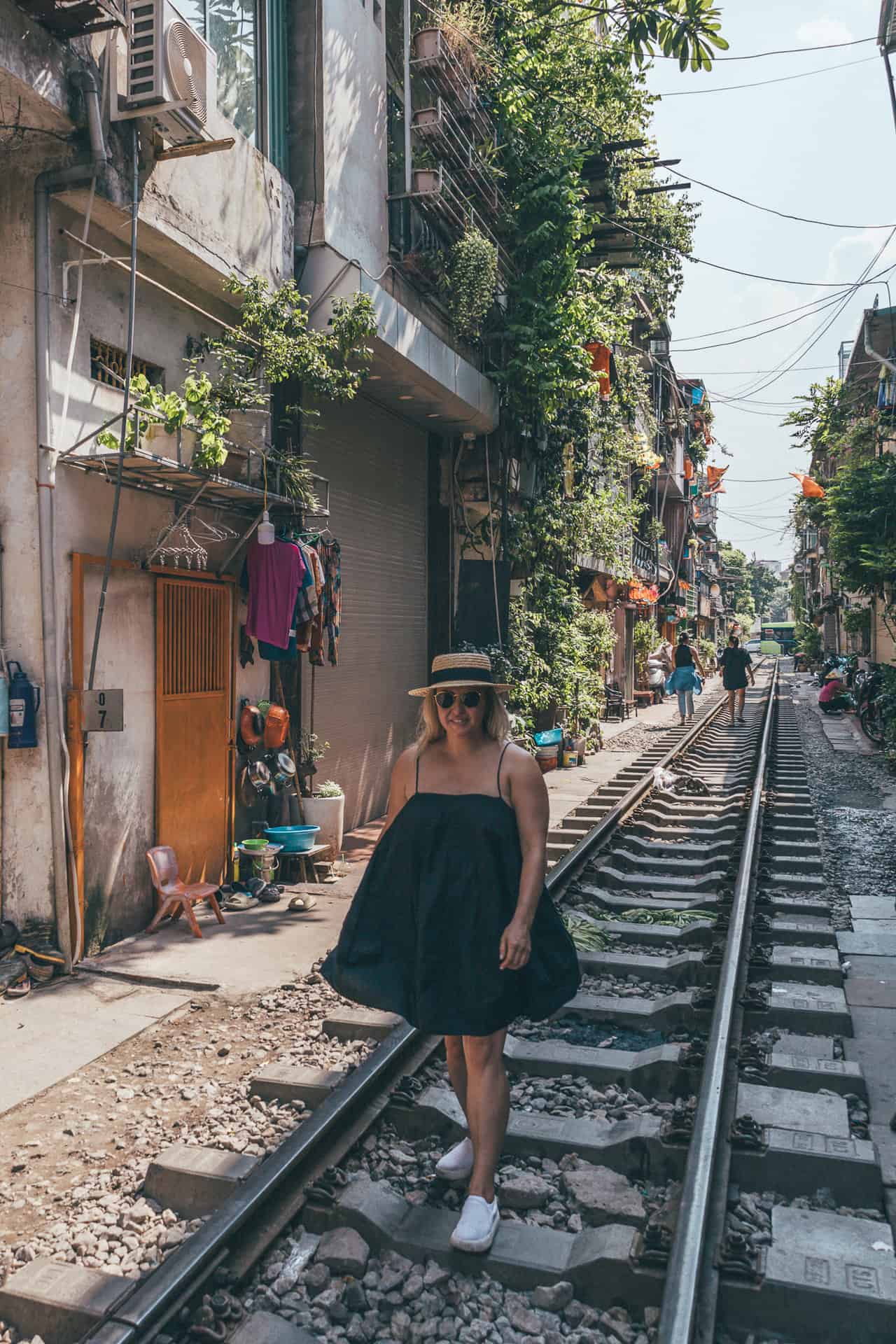
Because Vietnam is a big tourist destination in Southeast Asia, they have great infrastructure for easily accessing and arriving to the country. Both Ho Chi Minh City (in the south) and Hanoi (in the north) have international airports. There are also smaller airports throughout the country but likely you’ll fly into one of the bigger ones and then transfer from there. When deciding which airport to fly into, I suggest comparing prices and if there isn’t a big difference, decide what part of the country you’d like to explore. It’s also popular to purchase a flight into Ho Chi Minh City, travel all the way north and then purchase a flight out of Hanoi (or vice versa). I like to use Skyscanner and Expedia to compare flight prices.
Don’t forget, you need a visa to travel to Vietnam. Make sure to purchase yours at least 10-days before arriving!
Tips for Getting to Vietnam from the USA
If you’re planning a trip to Vietnam from the USA your journey can be pretty long! (From Nebraska, my journey was a whopping 36-hours with two layovers). To make your journey more comfortable, and maybe even more affordable, here are some simple tips…
- If you live in a small city, buy a flight out of a bigger city to save money
- For example, I live in Omaha, NE so I use Southwest points to fly to Chicago in the morning, then get a night flight out of Chicago to my destination
- Compare prices when it comes to arriving/departing from Ho Chi Minh City vs Hanoi
- Look at flight prices/times if you fly from the East Coast vs the West Coast
- Open a travel credit card to earn points to potentially use for your flight
- Compare flight prices on Expedia and Skyscanner
- Purchase travel insurance (before traveling) in case anything goes wrong with your flight
How to Get Around Vietnam
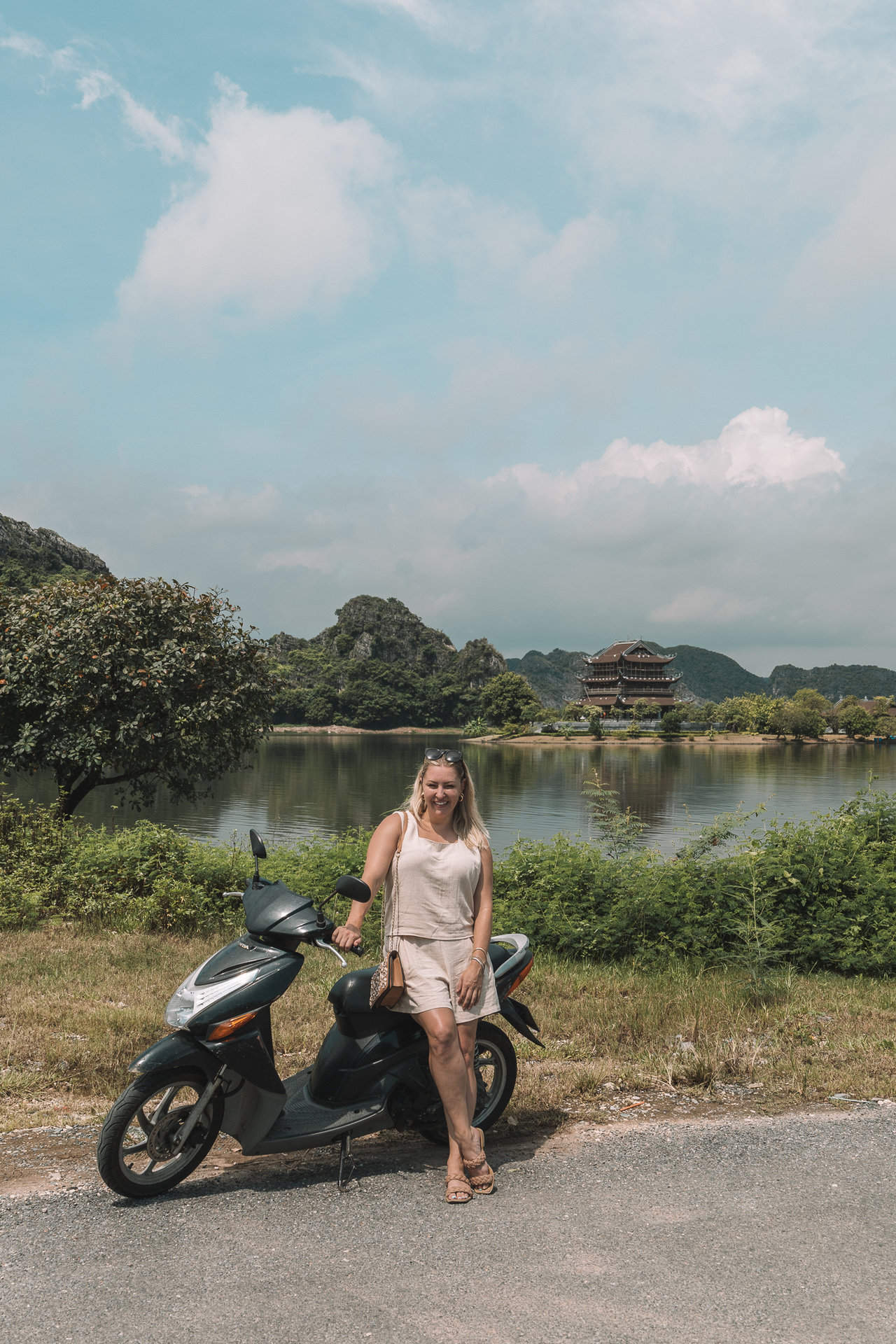
Like I mentioned earlier, Vietnam is used to tourists so they’ve done a great job at building infrastructure to easily get around the country. You can fly, use taxis, use “Grab”, rent a motorbike, walk, take a tuktuk, take the train, or a bus. Here are some great resources to use for getting around Vietnam…
- “Grab” for affordable taxis/motorbikes for short distances
- Bookaway or 12Go for bus travel to different regions
- If you’re planning to take a night bus in Vietnam, make sure to read this post
- Bookaway or 12Go if you want to travel by train
- Welcome Pickups if you want a private, English speaking guide waiting for you at the airport (only available at select airports in Vietnam)
- Motorbike – this is a great option if you want to explore a more remote destination that isn’t walkable (you are required to have an international drivers license in Vietnam, get one here)
- Ask your hotel – hotels are more than happy to help you with accommodation, just make sure to ask what the price is ahead of time
Vietnamese Food & Drink
-
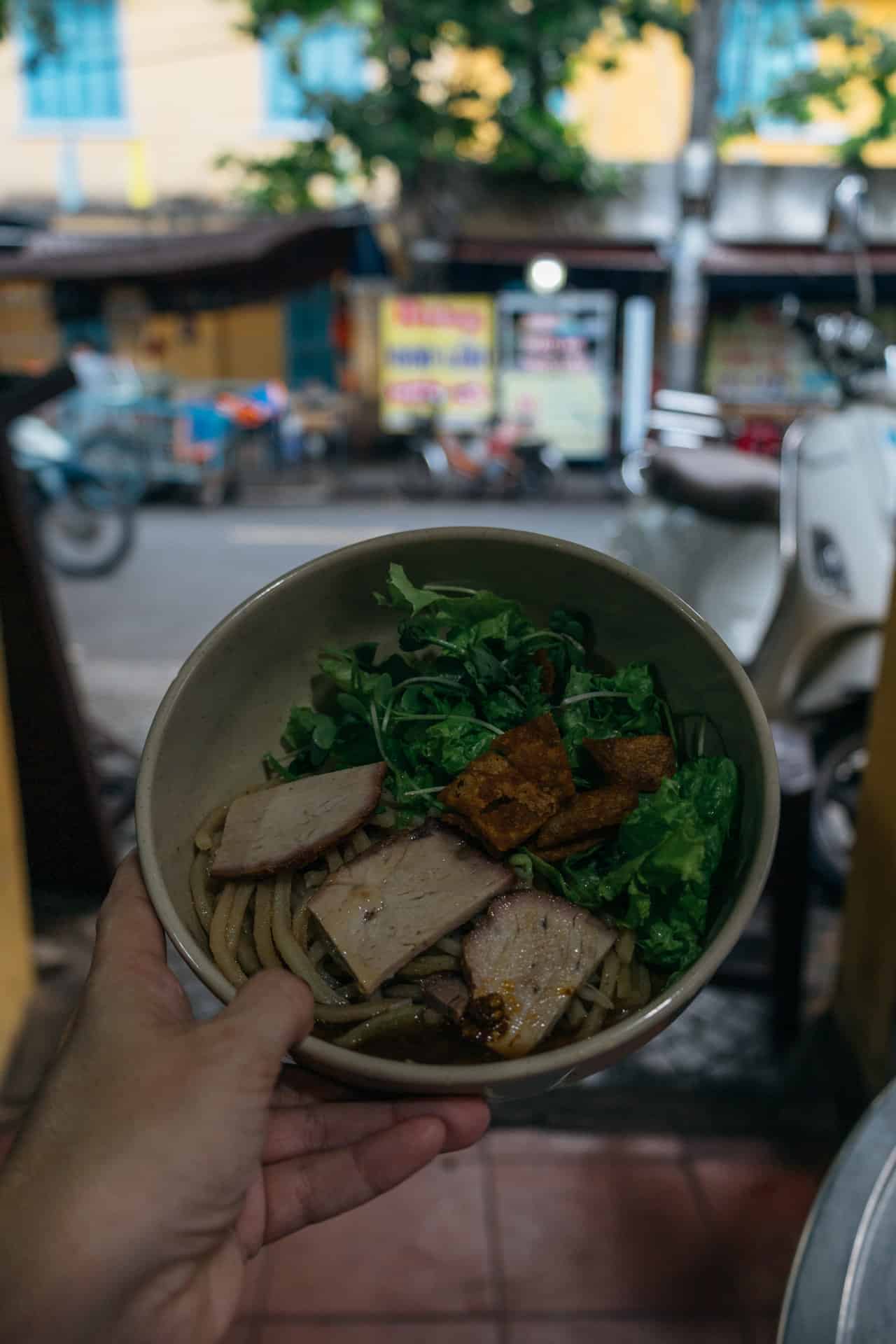
- Cao lầu
-
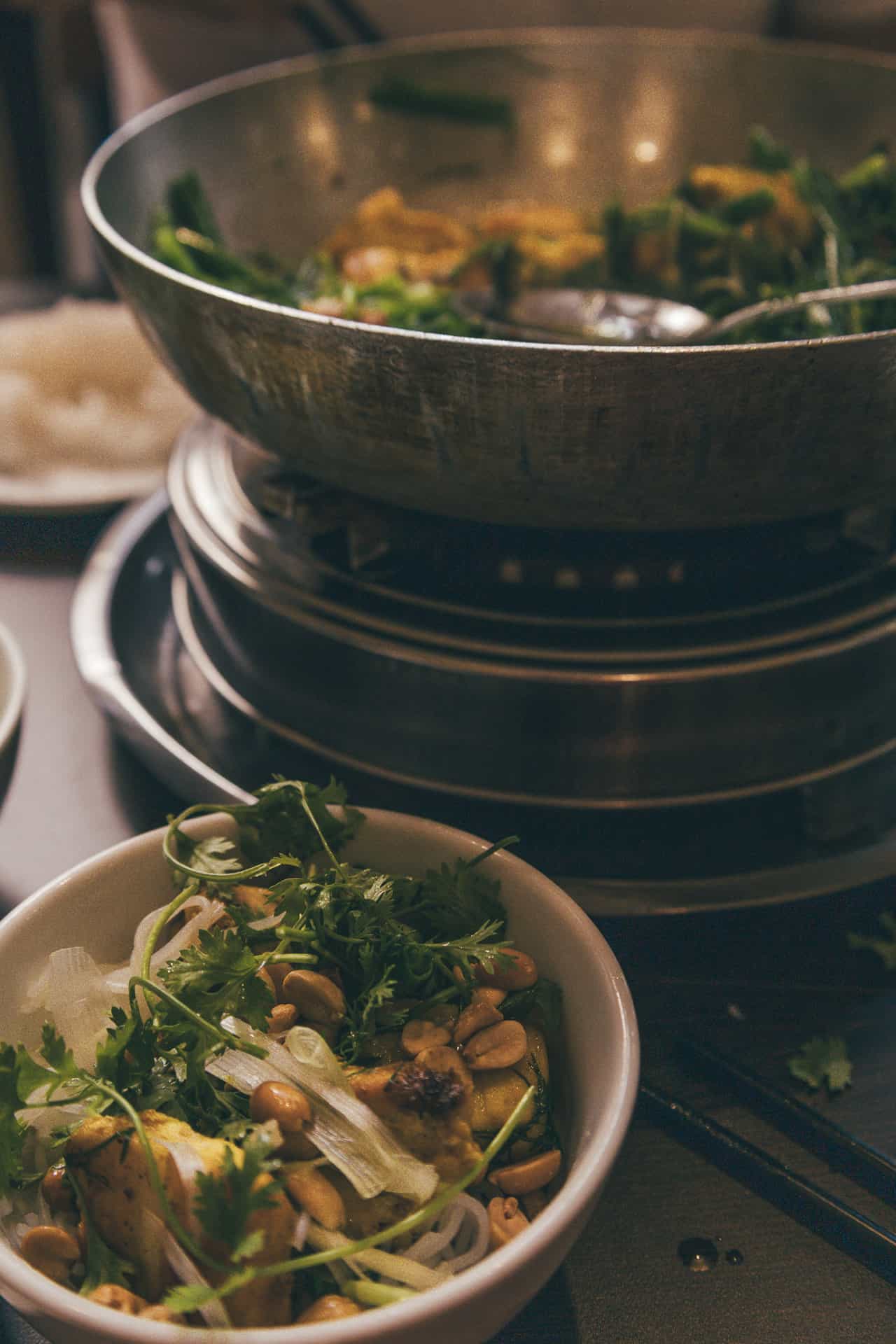
- Cha Ca La Vong
The food in Vietnam is on another level and their ability to create the most delicious street food (with very few supplies and limited space) will always amaze me. I personally think that one of the most special things to do in Vietnam is to taste your way through the country, always prioritizing a street food experience. I will say, be wary of raw foods (i.e. oysters, sushi) but I never had any issues with getting sick when I was in Vietnam.
As far as drinking, I don’t recommend drinking the tap water. When you ask for water you’ll almost always get a bottle of water, and I’d also be wary of ice depending on where you’re at. Again, I never had any issues – but just a couple of precautions to take.
COOK WITH A LOCAL! FIND COOKING CLASSES AROUND VIETNAM WITH COOKLY
Local Vietnamese Food
Depending on where you’re at in Vietnam, each region has some of their own dishes that they specialize in. Below you’ll find a few of my favorite Vietnamese dishes that I highly suggest trying! (This is by no means an exhaustive list, just what I personally enjoyed). By the way, food tours and cooking classes are a great way to meet other people and taste different Vietnamese dishes!
- Bún chả – Grilled pork and noodles
- Bánh Xèo – Stuffed rice pancake
- Cao lầu – Pork, greens, thick noodles (from Hoi An)
- Bánh bao bánh vạc – Pork, shrimp, mushrooms (from Hoi An)
- Cha Ca La Vong – White fish, noodles, fish sauce, dill (from Hanoi)
- Bánh mì – Baguette with savory stuffings like pork and chicken
Vietnamese Coffee
I do have to make sure to give a special mention to the amazing-ness that is Vietnamese coffee. I’m an avid coffee drinker, and I’ve never visited a country that does coffee quite as well as Vietnam does. Perhaps its the condensed milk, sugar, or coconut that they use… but it never fails that every time I try a different kind of coffee drink, I love each and every one.
A few common coffee drinks (that you should definitely try) are coconut coffee, egg coffee, and salted coffee.
Egg coffee does have an interesting story in how it was created. It was first created in Hanoi (if you visit Hanoi don’t miss Cafe Dinh to try egg coffee) during the French war. At this time there was a milk shortage and someone named Nguyen Van Giang thought to whip an egg to a thick, creamy consistency, and add it to the coffee. The creation was so good that it stuck long after the war ended.
Language/Simple Phrases to Know
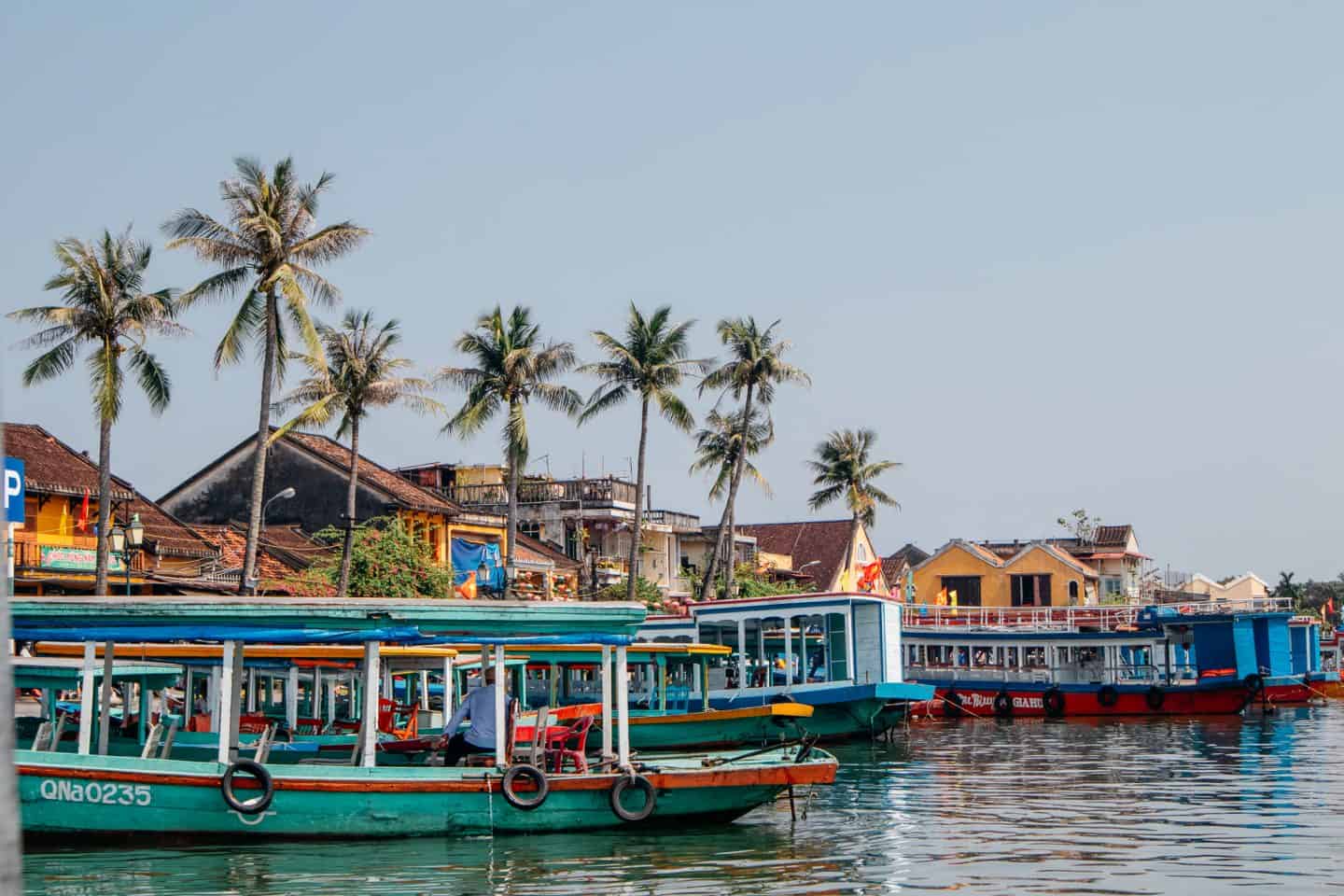
Then main language in Vietnam is Vietnamese, although there are other languages spoken among the different ethnic groups in the country. English and French are also spoken with most people knowing at least enough English to get by. Most street food restaurants don’t have English menus and sometimes the workers don’t speak English. In that instance, they generally have a piece of paper that they will give you with what you need to know about the restaurant in English. Or if it’s a spa they might show you a few hand signals to communicate with your masseuse.
I always think it’s polite to learn a few phrases in the language of the country that you’re traveling to. Vietnamese is very hard to understand because a lot of emphasis is placed on the tone of voice you use. With that being said, here are a couple of words that can help you get by…
- Thank you – Cảm ơn
- Hello – Xin chào
- Goodbye – Tạm biệt
What to Pack for Vietnam
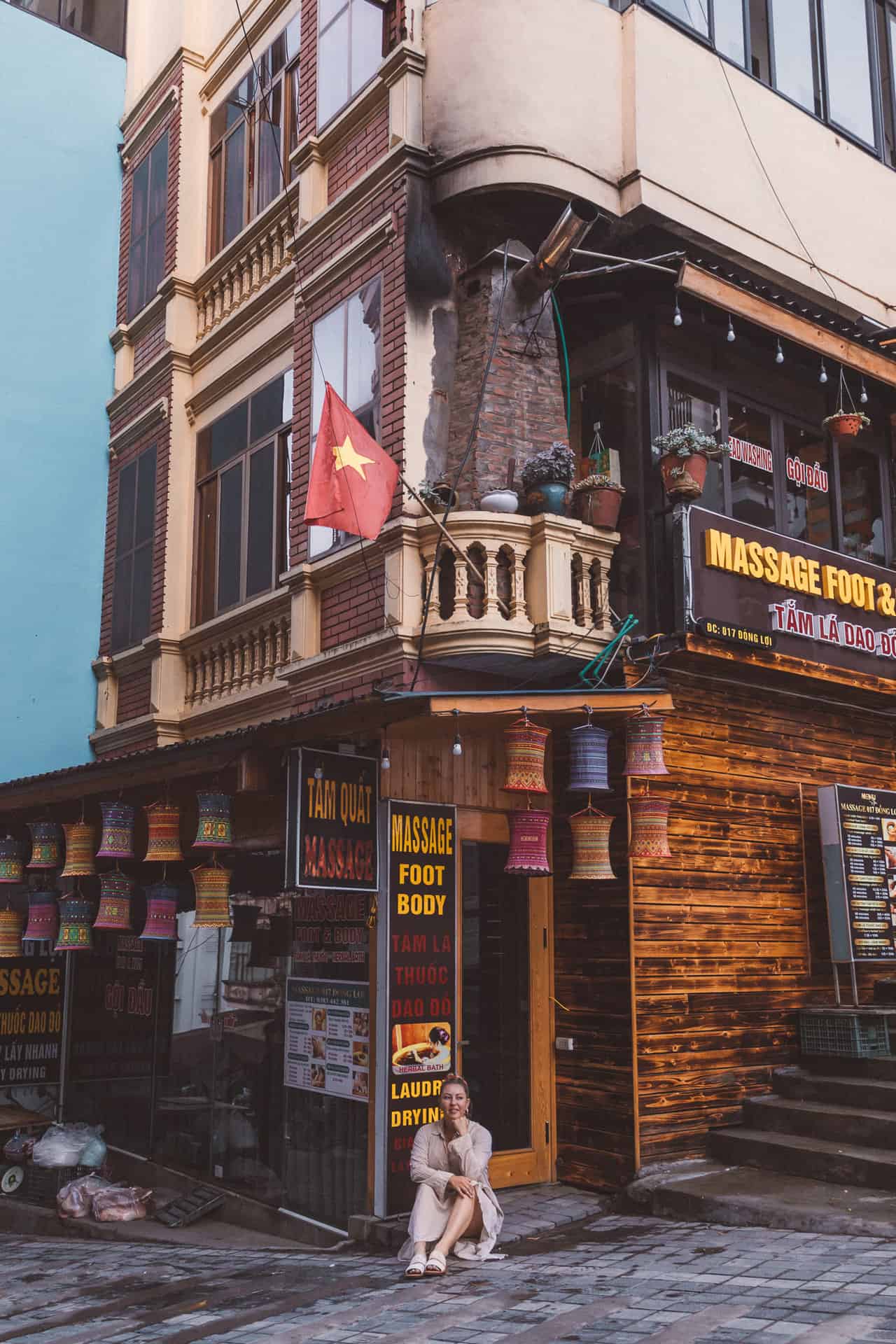
Below you’ll find everything I suggest packing for a trip to Vietnam…
- Adapter
- Swimming suit (if you’re going to go to the beach)
- Breezy dresses
- Linen outfits
- Sunglasses
- Comfortable walking shoes
- Eye mask for the airplane
- Reusable water bottle (to keep your water cool on hot days)
- Workout clothes if you plan to trek
For a more extensive packing list, don’t miss:
How Long Should Spend in Vietnam
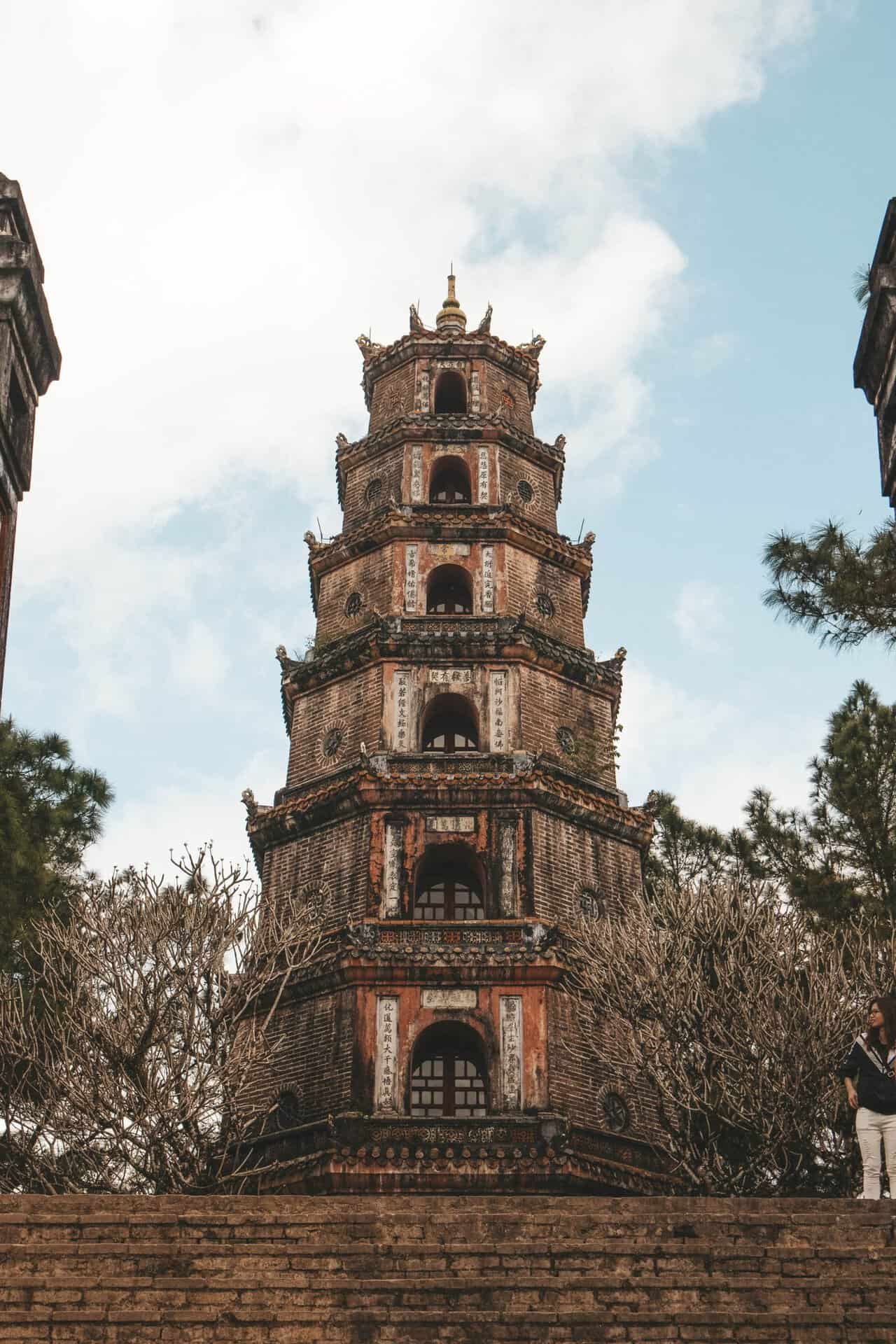
You could spend months in Vietnam and not see everything. If you have unlimited amount of time, I would definitely suggest spending a month in the country so that you get good use of your visa. However, if you’re limited on time I would suggest 10-14 days in Vietnam.
If you have at least three weeks, I would say that you could explore the country from north to south (although not in-depth). If you have at least two weeks, I would suggest picking either the north or south, and adding on Central Vietnam as well. If you only have one week, I recommend only doing the north or south portion without seeing Central Vietnam.
What Part of Vietnam Should You Visit?
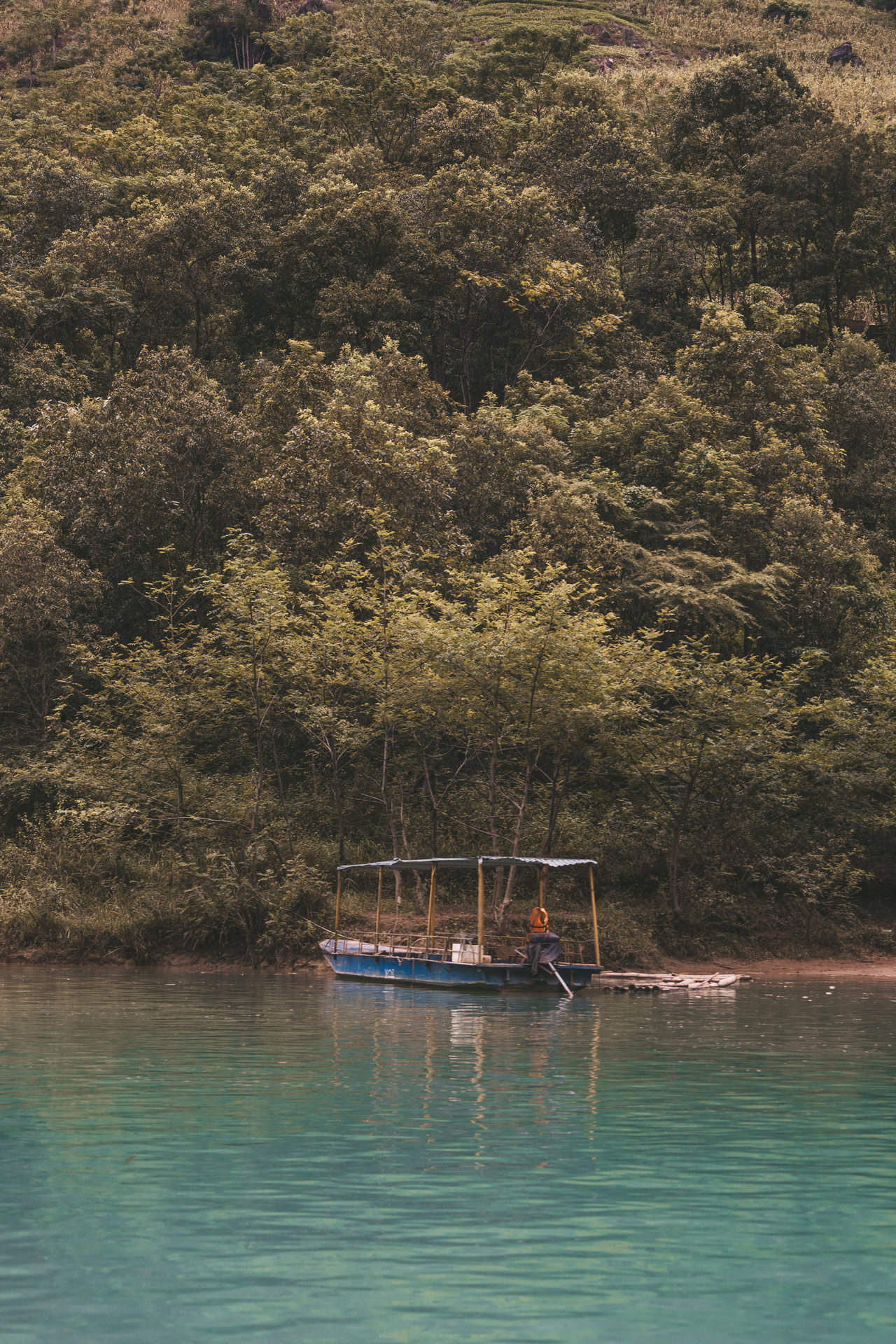
Full disclosure, I’m partial to the north of Vietnam. I love the landscape, I think that the people are incredibly kind, and overall it’s just the most beautiful part of Vietnam (in my opinion). However, coming at this objectively, I’m going to give you different reasons why you should visit different areas of the country so that you can best enjoy your trip.
Visit Northern Vietnam if you like…
- Cooler weather
- Trekking
- Jungle landscapes
Visit Southern Vietnam if you like…
- History
- Warmer weather
- Islands (Phú Quốc)
Visit Central Vietnam if you like…
- Laidback atmosphere
- Beaches (although they aren’t nice beaches like you’ll see in Thailand, etc)
- A range of weather from cool to warm
Lastly, another option when visiting Vietnam would be to book a river cruise down the Mekong River. This luxury Mekong River cruise takes you through Vietnam and Cambodia where you can experience 2,000 years of history. You can choose from a 3-night, 4-night, or 7-night cruise (all 3-night cruises depart from Phnom Penh).
Itinerary at a Glance
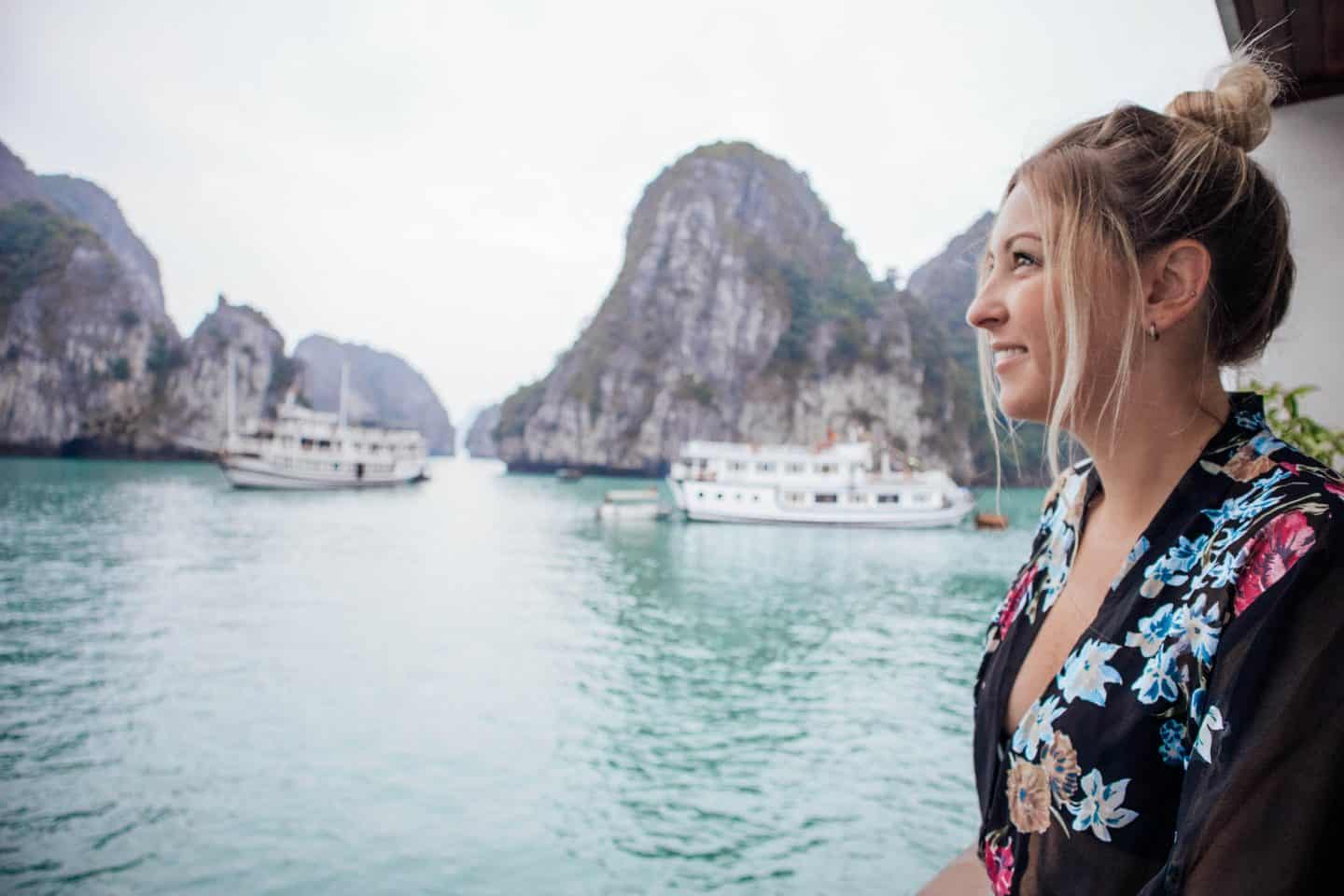
Here are a couple of itinerary choices depending on how long you have to spend in Vietnam.
1 WEEK IN VIETNAM
- Hanoi – 2 nights
- Ha Long Bay – 2 nights
- Ninh Binh – 2 nights
2 WEEKS IN VIETNAM
- Hanoi – 2 nights
- Sapa – 1 night (2 if you want to trek and stay in a homestay)
- Ha Giang Loop – 3 nights
- Ninh Binh – 2 nights
- Hoi An – 2 nights
- Hue – 2 nights
3+ WEEKS IN VIETNAM
- Ho Chi Minh City – 3 nights
- Hoi An – 3 nights
- Hue – 2 nights
- Ninh Binh – 2 nights
- Hanoi – 3 nights
- Ha Long Bay – 2 nights
- Ha Giang Loop – 3 nights
- Sapa – 2 nights
Vietnam Essentials – What You Need & Need to Know About Visiting Vietnam
TRAVELING THROUGH VIETNAM
- The easiest way to book bus tickets in Vietnam is through Bookaway or 12Go
- To book a flight to Vietnam, I recommend this booking platform or Skyscanner to compare options (if you’re from the US, sign up for Going to receive free cheap flight alerts)
- If you want a private, English-speaking driver waiting for you at the airport in Vietnam, book one with Welcome Pickups
- Vietnam does require a visa, you can purchase one through iVisa
- If you plan to rent a motorbike in Vietnam, you do need an international drivers license
- I highly recommend travel insurance when traveling through Vietnam – I use and recommend SafetyWing (read why here and here)
- If you need a SIM card, aloSIM for an easy and affordable e-SIM – use code “KYLEE5” for 5% off
ACCOMODATION IN VIETNAM
- To easiest way to book hotels in Vietnam is through this booking platform
TOURS IN VIETNAM
- For tours and activities in Vietnam, I recommend using Get Your Guide or Viator
WHAT TO BRING TO VIETNAM
- Don’t forget a Vietnam guide book to help plan your travels
- I recommend bringing a reusable water bottle to keep your water cold on hot days and to cut down on plastic waste
- Don’t forget to travel with bug spray and sunscreen (face, body)
- This is my favorite luggage for traveling
- This is my go-to travel backpack
- I love traveling with ARMRA Colostrum travel sticks to support my immune system (use code “KYLEENELSON” for 15% off)
Vietnam is a truly special country. If you’re planning a trip to Vietnam I hope that this post helped you greatly. As always, if you have any questions – please let me know in a comment below!
IF YOU’RE PLANNING A TRIP TO VIETNAM, DON’T MISS:
- A Complete Guide to Visiting Hoi An
- A Complete Guide to Vietnam’s Ha Giang Loop
- The Best 2 Day Ninh Binh Itinerary
- Everything You Need to Know About Trekking Sapa, Vietnam
- From Sa Pa: Visiting Cat Cat Village – Is it Worth it?
- How to Spend 2 Days in Hanoi, Vietnam
- How to Travel from Hoi An to Hue Via the Hai Van Pass
For more information on things to see and do in Hoi An, make sure to check out my Instagram page/highlight reel by searching “#ppinvietnam” or under my highlights for “Vietnam”; alternatively, head to my TikTok and search for the saved “Vietnam” highlight
Pin Me!
Disclosure: This post may contain affiliate links, meaning I get a commission if you decide to purchase through my link, at no cost to you. Passports and Preemies is also a participant in the Amazon Services LLC Associates Program, an affiliate advertising program designed to provide a means for sites to earn advertising fees.

Founded by Kylee, a NICU nurse with nine years of experience, including seven years as a travel nurse; Passports and Preemies was created in 2017 and is now the go-to travel and lifestyle channel for nurses who crave adventure beyond the bedside. Whether you’re a staff nurse looking for your next getaway or a travel nurse navigating life on the road, this space is designed to help you maximize your time off, explore the world, and prevent nurse burnout.
On Passports and Preemies, you’ll find everything from travel nursing insights – how to get started, land the best assignments, and thrive on the road – to expert travel tips, destination guides, and real-talk about balancing nursing with a life well-traveled. Passports and Preemies also includes Beyond the Bedside – group trips for nurses around the world; as well as the podcast, Passports and Preemies Talks.


Wow, Vietnam is such a beautiful place. I really wish to visit Vietnam and explore each and every places. Thanks for listing which part of Vietnam should one visit and what all things one should not miss.
Author
Thank you for the kind comment. It’s a beautiful country!