

Scotland is one of those country’s that I truly believe is best seen out the window of a car. The scenery is stunning, there are tons of places to pull off on the side of the road and admire the dramatic landscapes; and the sheer joy of being in a traffic jam because sheep have decided to use the road – while might seem annoying – is actually quite charming. I’ve traveled to Scotland twice and both times I rented a car so that I could leisurely travel through the country. And as an American, I have to admit that driving in Scotland is no easy feat, but I promise you it’s worth it. As my car rental salesman told me, “We don’t drive on the ‘wrong’ side of the road – we drive on the ‘special’ side of the road”. This is everything you need to know about renting a car in Scotland (and how to drive on the “special” side of the road) as an American.
If you’re planning a trip to Scotland, don’t miss…
- The Best 10 Day Scotland Itinerary
- Everything You Need to Know About Planning a Trip to Scotland
- The Ultimate Scotland Packing List
- 9 Places to Visit in Scotland (that aren’t Edinburgh)
Where to Rent a Car in Scotland

You can rent a car pretty much anywhere in Scotland, but the main thing you should keep in mind when deciding where to rent from is, where are you arriving to and departing from? If you’re arriving to a city like Glasgow or Edinburgh and you plan to stay for a few days, you won’t need a car in the city so I would recommend renting after exploring the city. I generally like to rent a car from the airport as it just feels like the easiest option and then I don’t have to deal with finding a rental agency in the city and driving out of the city (which can be stressful). Also keep in mind that if your departure is different than your arrival, your rental might be more expensive.
When finding a rental, I use Discover Cars which allows you to search across multiple rental agencies and multiple locations. This makes it easy to find the best, most cost-effective option.
On my last visit to Scotland, I flew into Edinburgh, explored the city for a few days, then headed back to the Edinburgh airport to pick up my rental car. I used Discover Cars, filled in the form with my dates of travel and where I wanted to depart from (in this case I used Edinburgh airport). Then I used the filter – “automatic transmission” – and a list of available cars popped up. With Discover Cars you can also use filters like, “unlimited mileage”, “GPS included”, “air conditioning”, and more. This allows you to pick the rental best suited for you!
If you’re traveling to Scotland and plan to visit Edinburgh, don’t miss…
Requirements of Renting a Car in Scotland

As an American, here are the requirements for renting a car in Scotland…
- Must be 21 years of age (this can vary depending on rental company, but if you use Discover Cars simply input your age and the rental agencies you’re allowed to rent from will pop up); if you’re younger than 24, you might have to pay a “young driver surcharge”
- Must have a valid passport
- Must have a valid US drivers license held for at least 1 year
- Proof of address – this is not for all agencies, but some do require proof of address such as a credit card bill, phone bill, etc
- You do not need an international drivers license to drive in Scotland
READY TO RENT? BOOK YOUR CAR RENTAL HERE!
Car/Travel Insurance in Scotland
It is not mandatory that you have car insurance when renting a car in Scotland, but I highly encourage it. Before booking car insurance through your rental agency (or Discover Cars) check with your credit card company to see if your credit card offers any car insurance support. For example, I have the Chase Sapphire Reserve and I do have car rental coverage through my credit card as long as I use my credit card to book the rental. Because of this, I choose to decline insurance at the rental agency so that if I get in an accident, my credit card covers it.
While discussing insurance, I also think it’s smart to have travel insurance – especially if you are driving in a foreign country. You don’t want to have to worry about getting hurt in an accident; plus travel insurance will cover you if you encounter problems, delays, or cancelations while traveling. I personally use and recommend SafetyWing. (Please note – travel insurance and car insurance are two separate things and I recommend having both).
DRIVING AROUND SCOTLAND? GET YOUR TRAVEL INSURANCE HERE!
Rules of the Road

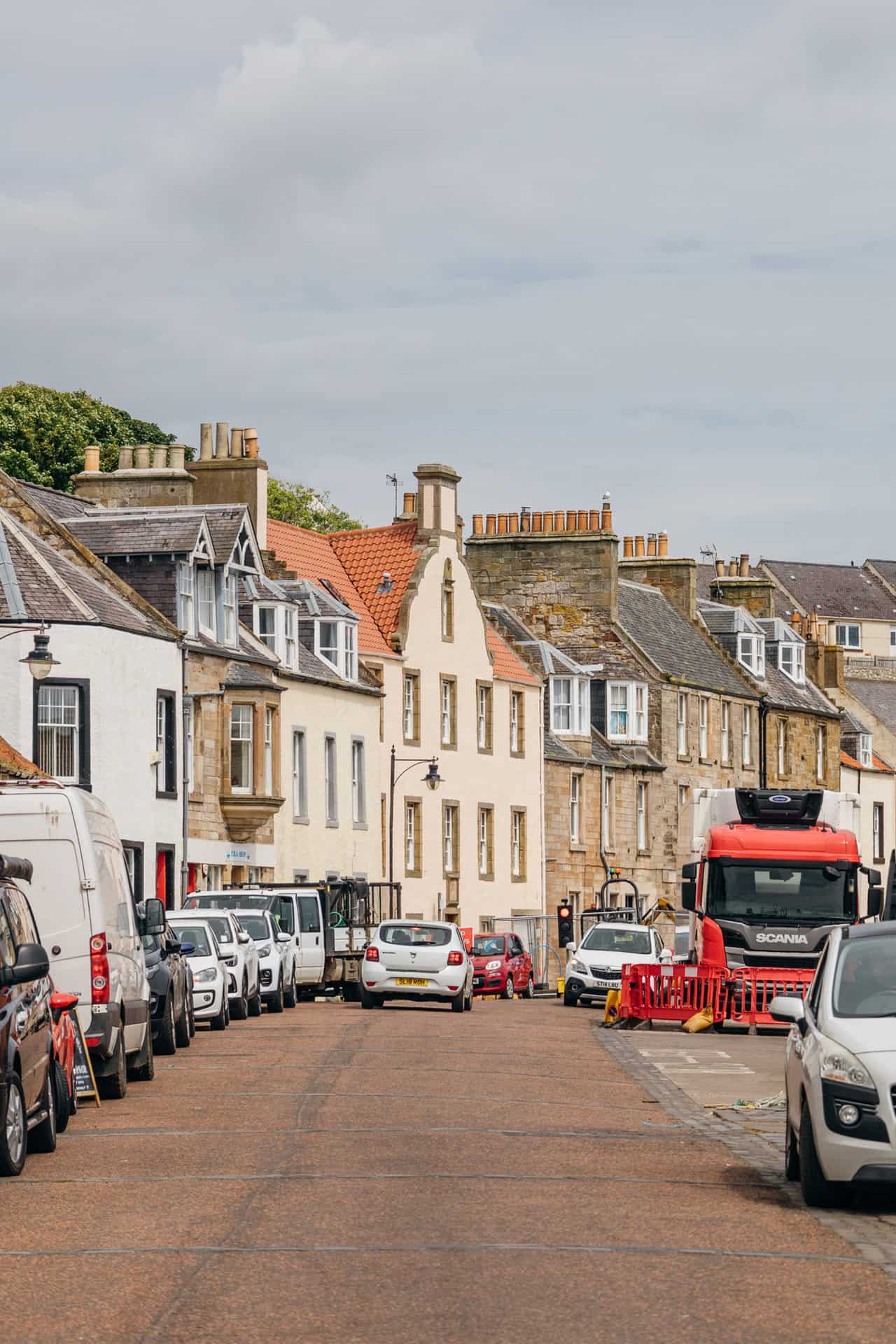
As an American, the “rules of the road” in Scotland are fairly similar to the US with the most obvious difference being the side of the road the Scots drive on. In Scotland, the drivers seat will be what Americans refer to as the “passenger seat” (so on the opposite side) and you will be driving in the left hand lane versus the right hand lane. Because of this, keep in mind that the right hand lane is the passing lane (slower drivers keep left) and when you approach a round-about, you will be moving left versus right.
Here are some more rules of the road to familiarize yourself with when driving in Scotland…
- If you see a sign that says “give way” that essentially means that you will stop or yield to oncoming traffic
- Speed limit signs are in miles per hour (not km per hour); my rental car had both mph and km/h markings in my car
- If you approach a one lane road with oncoming traffic (this is common the further north you get) you’ll notice areas that have signs that say “passing place”; if this is on your left, you will pull over and if it’s on your right, the oncoming driver will pull over
- Cops are not commonly found along the highway but instead there are speed cameras that will capture your speed and send you a ticket if you’re exceeding the speed limit
- There is a zero limit policy for drinking and driving with punishments varying depending on your BAC
- Seatbelts are required
- It’s illegal to use your phone while driving
- As of 2024, there are no toll roads in Scotland
BOOK YOUR CAR RENTAL HERE!
Misc Tips for Driving in Scotland

Below you’ll find my most helpful tips for renting a car in Scotland…
- Rentals are charged for 24-hours, so if you pick up your car at 8 am and return it the next day at 9 am, you’ll be charged for two days
- Remember to inquire about parking where you stay (when using a platform like booking.com you can toggle “free parking” ON)
- Use Google Maps or Waze to get around but make sure to download the routes in case you don’t have service; otherwise consider renting a GPS device
- Your car should come full of gas, if not, make sure it’s documented so that you can return with the gas at the same level
- Make sure to photograph the car before taking off so you can document any scrapes or dents – also notify the agent of anything that might be wrong (I photograph and video the car and in the video make sure to say the date and make it clear I haven’t left the rental agency yet)
- There’s usually an extra fee if there’s more than one driver
- If you plan to take the car to another country, you do need to notify the rental company of this and there will be an extra charge
- You can arrive and depart from different places but your rental will be more expensive
If you’re on a solo road trip through Scotland, don’t miss…
FAQ

Q: “Can I rent a car in Scotland with a US drivers license?”
- A: Yes! You need to have your drivers license for a minimum of 1 year to rent a car in Scotland.
Q: “How expensive is renting a car in Scotland?”
- A: This varies based on what kind of car you rent (manual is cheaper than automatic), what time of the year you’re renting, and how far in advance you rent. I rented a car in June and booked it months in advance only paying $33/day.
Q: “Is it easy to drive in Scotland?”
- A: Truthfully, as an American, no. While there are good signs and the roads are well-paved, it can be overwhelming to drive on the other side of the road especially if there’s oncoming traffic. Just go slow, take your time, and keep distractions at a minimum.
Scotland Essentials – What You Need & Need to Know About Visiting Scotland
TRAVELING THROUGH SCOTLAND
- The easiest way to book train tickets in Scotland is through Omio
- The easiest way to book bus tickets in Scotland is through Bookaway or Omio
- To book a flight to Scotland, I recommend using Skyscanner or a big search engine to compare options
- For car rentals in Scotland, I recommend Discover Cars
- If you want a driver waiting to pick you up at the airport, use Welcome Pickups
- I highly recommend travel insurance when traveling through Scotland – I use and recommend SafetyWing (see why here and here)
- If you need a SIM card, aloSIM for an easy and affordable e-SIM – use code “KYLEE5” for 5% off
ACCOMODATION IN SCOTLAND
- To easiest way to book hotels in Scotland is through a booking platform
TOURS IN SCOTLAND
- For tours and activities in Scotland, I recommend using Get Your Guide or Viator
WHAT TO BRING TO SCOTLAND
- Don’t forget a Scotland guide book to help plan your travels
- You’ll need a travel plug adapter (Scotland uses type G)
- I recommend bringing a reusable water bottle to cut down on plastic waste
- My favorite luggage is Calpak
- My favorite travel backpack is Nordace
- I recommend a sleep mask for long flights
I loved my road trip through Scotland so much that I hope to go back one day and see even more of the country. If you’re an American, I hope that this guide on renting a car in Scotland helps! If you have any questions about driving in Scotland or traveling to Scotland in general, let me know in a comment below!
Visiting Scotland? Don’t miss these guides to help plan your trip…
For more information on things to see and do in Scotland, make sure to check out my Instagram page/highlight reel by searching “#ppinscotland” or under my highlights for “Scotland”; alternatively, head to my TikTok and search for the saved “Scotland” highlight
Pin Me!

Disclosure: This post may contain affiliate links, meaning I get a commission if you decide to purchase through my link, at no cost to you. Passports and Preemies is also a participant in the Amazon Services LLC Associates Program, an affiliate advertising program designed to provide a means for sites to earn advertising fees.

Founded by Kylee, a NICU nurse with nine years of experience, including seven years as a travel nurse; Passports and Preemies was created in 2017 and is now the go-to travel and lifestyle channel for nurses who crave adventure beyond the bedside. Whether you’re a staff nurse looking for your next getaway or a travel nurse navigating life on the road, this space is designed to help you maximize your time off, explore the world, and prevent nurse burnout.
On Passports and Preemies, you’ll find everything from travel nursing insights – how to get started, land the best assignments, and thrive on the road – to expert travel tips, destination guides, and real-talk about balancing nursing with a life well-traveled. Passports and Preemies also includes Beyond the Bedside – group trips for nurses around the world; as well as the podcast, Passports and Preemies Talks.

