

Located in Southeast Asia, Malaysia is an incredibly diverse country with jungles, rainforests, islands, and cityscapes. The country borders Thailand and also rules the northern part of Borneo (the third largest island in the world), along with Indonesia and Brunei. I spent two months traveling through this incredible country from north to south and even spent time on the island of Borneo. This is everything you could possibly need to know about visiting Malaysia.
If you’re visiting Malaysia, don’t miss…
Is Malaysia Worth Visiting?


Malaysia is definitely worth a visit for those who enjoy a mix of city life and nature. The cities in Malaysia offer a bustling vibe with modern amenities, while the countryside presents an opportunity to disconnect and truly experience local life in nature. Not to mention, any “foodie” will more than appreciate the diverse culinary scene, reflecting the country’s multicultural heritage. For those who value a balance of adventure and relaxation, Malaysia delivers an incredible experience.
Brief History of Malaysia


Malaysia’s history is a vibrant mosaic, shaped by a blend of indigenous, Malay, Indian, Chinese, and European influences. Initially a collection of trading states, Malaysia blossomed into an important hub in the spice trade. The British colonial era left a significant mark, introducing rubber and palm oil plantations. Post-World War II, the quest for independence grew, culminating in the formation of Malaysia in 1963. Since then, it’s evolved into a nation known for its economic growth, cultural richness, and diverse landscapes.
I VISITED MALAYSIA AS PART OF AN 8-MONTH TRIP THROUGH SOUTHEAST ASIA – YOU CAN SEE MY ITINERARY HERE
Safety Tips for Visiting Malaysia

Malaysia ranks 19th out of 163 countries and territories on the Global Peace Index (for reference, the United States holds the 131st spot). In my experience traveling through Malaysia with my boyfriend, I felt perfectly safe. However, Malaysia is a predominantly Muslim country so I have heard of solo female travelers having uncomfortable moments and even traveling with my boyfriend, I experienced a couple of uncomfortable moments myself (although I never felt unsafe). None the less, here are some general safety tips to follow when traveling through Malaysia.
- To avoid stares, dress more conservatively – there are no laws about how to dress in the country but as a Muslim country the locals generally cover up more than other countries in Southeast Asia
- Absolutely do not consider bringing or doing any illicit drugs in Malaysia – the punishment for drug use and possession is life in prison
- Try to avoid PDA especially if you’re a same-sex couple (this is not illegal but you will get many uncomfortable stares)
- Make two copies your passport; keep one copy in a separate place from where you keep your passport, and leave the second copy at home with a loved one
- Forward all hotel reservations to a family member/friend so they can track where you’re supposed to be at all times
- Know the number and address of the US Embassy (or whatever country you’re from). In this case, the US Embassy is located in Kuala Lumpur, the number is +60 3 2168 5000 and the address is 376, Jln Tun Razak, U Thant, 50400 Kuala Lumpur, Wilayah Pereskutan Kuala Lumpur
- Know how to dial out – the code for Malaysia is +60
- Know how to contact the police – 999; firefighters – 994; medical emergency service – 999
Vaccines to Get Before Visiting Malaysia
I highly recommend checking out the CDC recommendations for vaccines to get before visiting Malaysia, and making an appointment with an infectious disease doctor before traveling.
Travel Insurance
Another way to ensure safety during a trip is by purchasing travel insurance. Travel insurance can cover illness, theft, airplane and hotel cancellation, and emergency evacuation services if something arises (each plan is different so make sure to see what your insurance covers before purchasing). I used SafetyWing while traveling through Malaysia and would highly recommend it.
Read more about why I recommend travel insurance…
GET YOUR TRAVEL INSURANCE HERE!
Visa Requirements for Visiting Malaysia


While there are exceptions to some countries, as an American, Malaysia only requires a visa after staying in the country over 90 days. If you will be in Malaysia for longer than 90 days, you can obtain a visa online using iVisa.
I visited Malaysia for two months and I did not have to show proof of exit in order to enter the country without a visa.
The Best Time to Visit Malaysia

If you’re planning to visit Malaysia’s east coast (specifically the Perhentian Islands), the best months are from March-October to avoid monsoon season. If you want to visit Malaysia’s west coast (specifically Langkawi), the best time is from November-April. Furthermore, Malaysia as a whole is best to visit from June-August for best weather conditions. This time dodges the heaviest rainfall and coincides with a sweet spot in tourist trends, offering a more relaxed experience. Malaysia sees its peak tourist season from the beginning of December to the end of January, aligning with major Northern Hemisphere winter holidays such as Christmas, New Year’s Day, and Chinese New Year.
If you’re planning to travel to Malaysian Borneo, which includes the states of Sabah and Sarawak, the best time to visit is slightly different due to its equatorial location and distinct climate. The peak tourist season in Malaysian Borneo is generally from March to October, when the weather is drier and ideal for outdoor activities.
Cost of Visiting Malaysia


Malaysia is a very affordable country in Southeast Asia, in fact, aside from Vietnam, I would argue it’s one of the very cheapest. However, if you travel to Malaysian Borneo, the cost is a bit higher due to it being a remote island so activities and tours are much more expensive than mainland Malaysia.
If you’re planning a trip to Malaysia, I would say that you can expect to spend (on food, accommodation, and tours)…
- Budget: $15-30/day
- Mid-Range: $40-$60/day
- Luxury: $70-$100+/day
As for food, depending on what restaurant you’re at the price of a meal generally ranges from $2-$15 (with western restaurants being much more expensive than local restaurants). Transportation is very cheap in Malaysia (as long as you use the app “Grab”). If you need to travel through Malaysia, taking a bus is very affordable (and much cheaper if you’re able to purchase a ticket at the bus station versus online). Tours run on the more expensive side and if you book a private tour – in my experience – you’re charged per person instead of given a set price and dividing it between how many people you have (i.e. a group of eight of us did a private tour and whether we had four people or 10 people, we all had to pay $150/person). Lastly, hotels, hostels, and homestays are pretty affordable throughout Malaysia. I used Booking.com to compare hotel prices throughout the country.
Currency in Malaysia
Malaysia operates on the Malaysian Ringgit (MYR). At time of writing in 2024, 1 USD = 4.77 MYR.
Cash vs Credit/Debit
Most everywhere in Malaysia takes credit card, but you should have cash on hand for small purchases or when visiting a night market. When you arrive to the airport, head to the ATM for cash – I don’t suggest bringing your own currency and exchanging it at the airport because you generally won’t get a good exchange rate. Instead, use the ATM and make sure that you’ve notified your bank of travel so that you can access your account. The best part about ATMs in Malaysia is that they don’t charge a fee so you can get a smaller amount out and go back if you need more. Also, if the ATM asks if you want them to convert the money for you, always say “no” to avoid a higher conversion fee.
Pro tip: If you’re using a credit card while traveling, make sure that you’re using one that doesn’t charge any foreign transaction fees! if you need a recommendation, send me a DM on IG.
Tipping Practices
Tipping is not common in Malaysia. Of course, tipping is greatly appreciated but it’s not expected. There are some instances you will notice a “tip” jar at places. If you feel inclined, of course you can leave some money but don’t feel obligated. Most restaurants will include a 10% service charge on each bill that goes towards the waitstaff.
How to Get to Malaysia

Malaysia has eight international airports, however you’re more than likely going to either arrive to Kuala Lumpur International Airport or use it as a connection point to elsewhere in the country. I recommend using Expedia to compare flight options and prices.
If you’re traveling to Malaysia from Thailand, you can also explore the option to travel by land and take a bus to Malaysia. I recommend using Bookaway or 12Go filter through options and compare prices.
Tips for Getting to Malaysia from the USA
If you’re planning a trip to Malaysia from the USA your journey can be pretty long! To make your journey more comfortable, and maybe even more affordable, here are some simple tips…
- If you live in a small city, buy a flight out of a bigger city to save money
- For example, I live in Omaha, NE so I use points to fly to Chicago in the morning, then get a night flight out of Chicago to my destination
- If you’re flexible on travel dates, play around with dates when it comes to arriving/departing for the cheapest flight
- Look at flight prices/times if you fly from the East Coast vs the West Coast
- Open a travel credit card to earn points to potentially use for your flight
- Compare flight prices on Expedia
- Purchase travel insurance (before traveling) in case anything goes wrong with your flight
Tips for Getting to Malaysia from Singapore
One of the more popular routes around Southeast Asia is to travel from Singapore to Malaysia. If you do this, of course you can fly from Singapore Changi Airport to somewhere in Malaysia. However, I would recommend booking a bus to take you from Singapore, across the border to Malacca. Malacca is one of my favorite towns in Malaysia and the bus ride from Singapore is only about six hours.
If you’re also planning to visit Singapore, don’t miss…
BOOK A BUS FROM SINGAPORE TO MALAYSIA HERE!
How to Get Around Malaysia

Getting around Malaysia is relatively easy (unless you’re heading to central Malaysia or Borneo where bus routes aren’t as frequent). Of course, taking a bus around Malaysia will be the cheapest option but because the country is quite big, you can also save time by flying instead of driving. Here are some great resources to use for getting around Malaysia…
- “Grab” for affordable taxis
- Bookaway or 12Go for bus travel to different regions
- AirAsia for affordable flight tickets throughout Malaysia
- Ask your hotel – hotels are more than happy to help you with accommodation, just make sure to ask what the price is ahead of time
- If you want to rent a car, I recommend using Discover Cars to compare prices on multiple different platforms
Malaysian Food & Drink


I was thoroughly impressed with the food in Malaysia, in fact, I woulds say it rivals Thailand for best cuisine in Southeast Asia! With influences from China, India, and Thailand there is a really diverse food scene. Traditionally, food is consumed all day long starting with breakfast and ending in supper with 6-8 meals in-between. Ingredients and flavors center around noodles, rice, meat, fish, ginger, pepper, chili, etc. The food can be quite spicy, but you can also request for non-spicy dishes.
I believe that the best way to experience a country is through its food; if you plan to visit Malaysia I highly recommend checking out a local food tour or cooking class! And don’t miss the chance to try the incredible street food in Malaysia!
As far as drinking, I don’t recommend drinking the tap water. The good news is, most restaurants have water filters so instead of receiving a plastic water bottle you’ll generally be served a glass of water. If you prefer a bottle of water, simply ask for “mineral water” when ordering and they’ll know you’re requesting a water bottle. To cut down on plastic waste, I suggest bringing a reusable water bottle with you and requesting filtered water when available. Another different thing about order water in Malaysia is that they will generally serve it warm unless you request for it to be cold or room temperature.
Despite being a predominantly Muslim country, there are opportunities to drink alcohol in Malaysia, although there are some areas where you’ll be hard pressed to find any alcohol (like in Taman Negara). There are also many restaurants that don’t serve alcohol, but at times you’re allowed to bring your own. Cocktail bars are on the more expensive side (although still cheaper than cocktails in the US) and you can expect to pay about 35-50 Ringgit per cocktail.
Language in Malaysia & Simple Phrases to Know

While the official language in Malaysia in Malay, I would say that English is becoming more popular amongst the younger generation. I even met locals in their 20s who did not speak Malay but did learn English as their first language. Because of the diversity of Malaysia you will also notice that some of the locals speak Thai, Indian, and Chinese too.
When traveling, I always think it’s polite to learn a few phrases in the language of the country that you’re visiting. Here are a few of Malay words that will help you get by…
- Thank you = Terima Kasih
- Hello = Hello (or Hai)
- Goodbye = Selemat tinggal
- Toilet = Tandas
What to Pack for Malaysia

Below you’ll find everything I suggest packing for a trip to Malaysia…
- Swimming suit (if you’re planning to visit one of the islands)
- Breezy dresses
- Linen outfits
- Sunglasses
- Comfortable walking shoes
- Shower shoes/beach shoes
- Eye mask for the airplane
- Reusable water bottle (to keep your water cool on hot days)
- Lock for suitcase
- Bug spray
- Sunscreen (face and body)
There are times in Malaysia where you’re required to cover your knees and shoulders if you’re visiting a temple or mosque. I recommend bringing at least one outfit that does this.

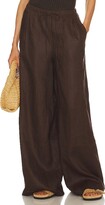

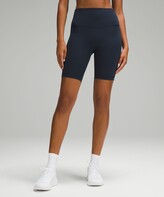


Don’t miss this more extensive Malaysia packing guide…
Accommodation in Malaysia


By far, the easiest way to book accommodation in Malaysia is using Booking.com. Not only will you find a plethora of hotels but you’re also able to filter through options. Before browsing accommodations, I always make sure that I have “free wifi”, “very good 8+ reviews”, “distance less than 1 km to center” toggled ON. From there, I browse through accommodations and choose the best one for me.
Aside from hotels, there are also tons of great rental properties in Malaysia – especially in Kuala Lumpur and in George Town. I like to use VRBO when searching for rental properties.
BOOK YOUR STAY IN MALAYSIA HERE!
If you’re staying in/planning to visit Kuala Lumpur, don’t miss…
Planning Your Route Around Malaysia/The Best Places in Malaysia to Visit


There are enough things to see and do in Malaysia to keep you entertained for at least a month. When planning your route around Malaysia, first figure out how long you have to spend – and go from there.
If it’s your first time to Malaysia, I would highly recommend prioritizing Kuala Lumpur, Malacca, and Penang. If you love nature and you’re interested in ethical animal encounters and or/hiking I’d also recommend Cameron Highlands, Taman Negara (if you want to hike through the jungle), and Malaysian Borneo. If you’re considering Malaysia because you want an island experience, I’d have to caution against it. Unless you’re a diver and you’re heading to Borneo, the beaches in Malaysia aren’t great. However, I did not visit the Perhentian Islands in the east, so I can’t speak to those specifically.
You should also know that it’s definitely more difficult to travel around central Malaysia and the east coast than it is to travel around the west coast of Malaysia. If you’re visiting for a short period of time, make sure to keep this in mind when planning your route.
To help plan your travels around Malaysia, don’t miss…
- The Best 3 Day Penang Itinerary
- The Best 2 Day Kuala Lumpur Itinerary
- The Best Itinerary for Malacca (1-2 Days)
Malaysia Essentials – What You Need & Need to Know About Visiting Malaysia
TRAVELING THROUGH MALAYSIA
- The easiest way to book bus tickets in Malaysia is through Bookaway or 12Go
- Download Grab to get a taxi or motorbike
- To book a flight to Indonesia use Skyscanner or this website (if you’re from the US sign up for Going to get free email alerts on flight deals)
- I highly recommend travel insurance when traveling through Indonesia – I use and recommend SafetyWing (read why here and here)
- If you want an English speaking driver waiting to pick you up at the airport, use Welcome Pickups (select cities only)
- If you need a SIM card, aloSIM for an easy and affordable e-SIM – use code “KYLEE5” for a discount
ACCOMODATION IN MALAYSIA
- To easiest way to book hotels in Malaysia is through this website
TOURS IN MALAYSIA
- For tours and activities in Malaysia, I recommend using Get Your Guide or Viator
WHAT TO BRING TO MALAYSIA
- Don’t forget a Malaysia guide book to help plan your travels
- You’ll need a travel plug adapter (Malaysia uses type G)
- My favorite luggage is Calpak
- My favorite travel backpack is Nordace
- I recommend bringing a reusable water bottle to keep your water cold on hot days and to cut down on plastic waste
- Don’t forget to travel with bug spray and sunscreen (face, body)
Malaysia is such an incredible, unique country that truly has something to offer everyone. Whether you’re looking for a beach vacation, a historical vacation, or just being out in nature – there is something for everyone in Malaysia. I hope that if you’re visiting Malaysia you found this guide helpful. And if you have any questions, let me know in a comment below!
For more information on things to see and do in Malaysia, make sure to check out my Instagram page/highlight reel by searching “#ppinmalaysia” or under my highlights for “Malaysia”; alternatively, head to my TikTok and search for the saved “Malaysia” highlight
Pin Me!


Disclosure: This post may contain affiliate links, meaning I get a commission if you decide to purchase through my link, at no cost to you. Passports and Preemies is also a participant in the Amazon Services LLC Associates Program, an affiliate advertising program designed to provide a means for sites to earn advertising fees.

Founded by Kylee, a NICU nurse with nine years of experience, including seven years as a travel nurse; Passports and Preemies was created in 2017 and is now the go-to travel and lifestyle channel for nurses who crave adventure beyond the bedside. Whether you’re a staff nurse looking for your next getaway or a travel nurse navigating life on the road, this space is designed to help you maximize your time off, explore the world, and prevent nurse burnout.
On Passports and Preemies, you’ll find everything from travel nursing insights – how to get started, land the best assignments, and thrive on the road – to expert travel tips, destination guides, and real-talk about balancing nursing with a life well-traveled. Passports and Preemies also includes Beyond the Bedside – group trips for nurses around the world; as well as the podcast, Passports and Preemies Talks.

